
Cancer registries remain the gold standard for understanding how cancer affects populations. The rigorous methods they use to collect and standardise data allow for high-quality information, but they can be time-consuming and resource-intensive. CancerWatch, a €13M European project funded by the EU4Health programme and running from 2025 to 2028, is improving cancer intelligence in Europe by improving the quality and up-to-dateness of data, while maintaining affordable costs. To do this, a deep understanding of cancer registration in Europe is needed.
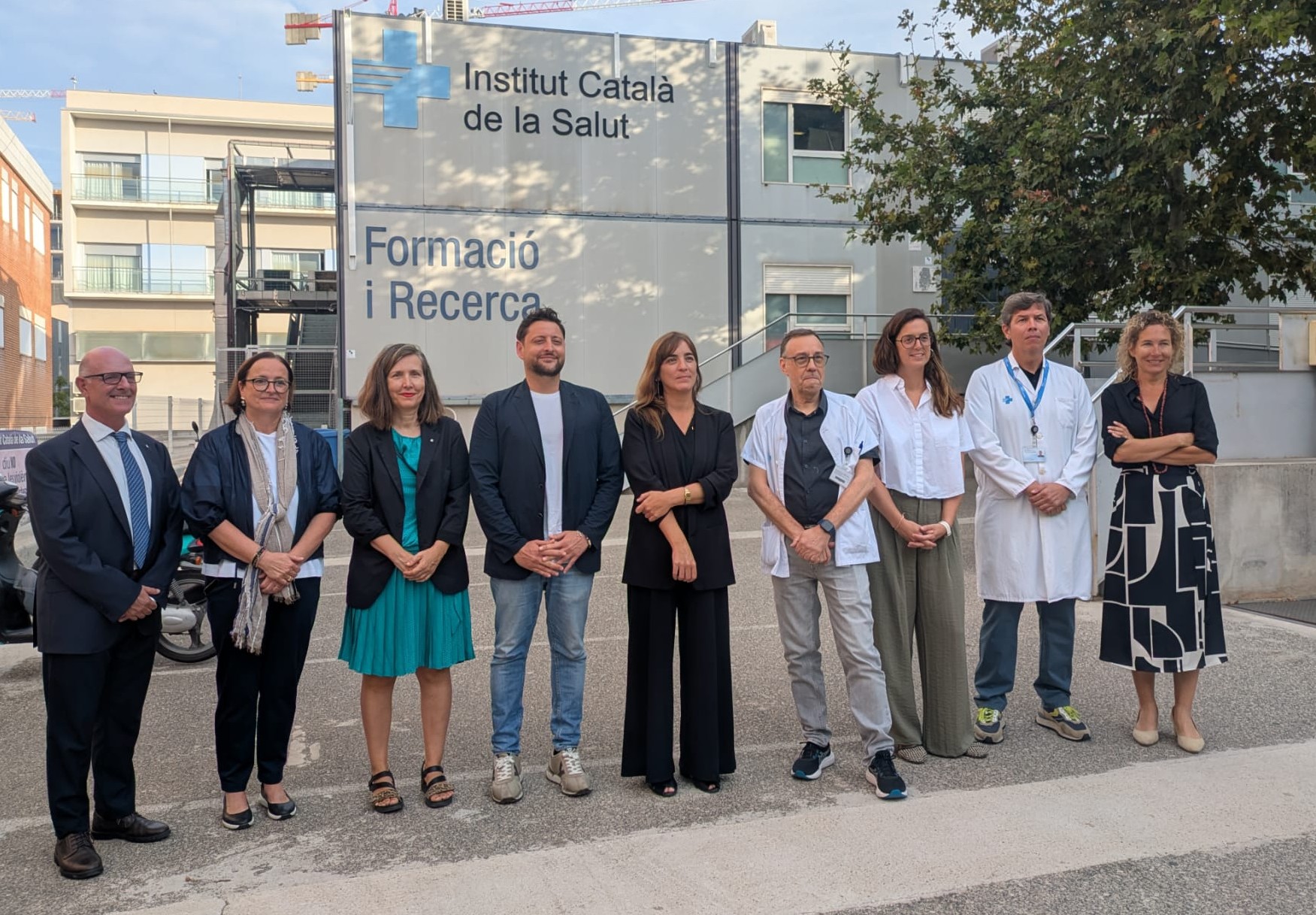
In this sense, the IRB CatSud contributes to CancerWatch through the work carried out by the Oncological, Translational, Epidemiological and Clinical Research Group (GIOTEC) at the Sant Joan University Hospital in Reus, from where they collaborate on one of the project’s lines of work, which is based on compiling, comparing and validating methods to estimate the incidence and survival of cancer in areas without complete coverage of population registers.
One year program review
After a year, CancerWatch has completed the largest survey of European cancer registries to date. It surveyed a total of 192 registries. The programme has also carried out key work to strengthen the data and systems underpinning the European Cancer Information System (ECIS), which is the main European source of comparable cancer statistics. In fact, updated cancer statistics are expected to be available before the end of 2026.
The updated cancer data in the ECIS provide a more up-to-date picture of the burden of cancer in Europe, including new updated estimates of survival and prevalence. Survival shows us the likelihood of being alive a number of years after a cancer diagnosis. Prevalence shows how many people are living with cancer or have survived it at a given point in time. Taken together, these are the clearest indicators Europe has of whether cancer prevention and care are improving and for whom.
Manola Bettio, Joint Research Centre, European Commission, says: “CancerWatch is helping to improve the timeliness and quality of European cancer indicators by making efficient use of the most recent data from cancer registries. For survival and prevalence, its added value lies in the innovative methods and tools developed within the project, which allow these indicators to be derived from the same cancer registry data in a rapid, harmonised and comparable way. This will allow us to see which countries are making progress, which are lagging behind and whether policies are delivering results.”
Before we can improve cancer registries, however, we need to be able to measure their performance. This is what the CancerWatch survey has done, highlighting the differences between countries. On the subject, in the words of Vesna Zadnik, Head of the Slovenian Cancer Registry – Institute of Oncology in Ljubljana, CancerWatch WP leader and coordinator of the CancerWatch European Survey of Population-Based Cancer Registries, “for the first time on this scale, we have a complete picture of how population-based cancer registries work across Europe, to know what is already working well, where challenges persist and where more support is needed.”
The European Plan to Fight Cancer
On the other hand, the European Beating Cancer Plan (EBCP) is the most ambitious cancer initiative ever undertaken by the European Union to reduce the burden of cancer across the EU. And, in this case, population-based cancer registries provide the evidence needed to track cancer outcomes, identify inequalities and assess whether prevention, screening and treatment policies are making a difference over time.
Over the next two years, CancerWatch will continue to build on this foundation. The work will continue with artificial intelligence-assisted cancer registries, common standards and digital tools to make data collection more comprehensive, consistent and efficient, and the preparation of registries for the European Health Data Space. The main goal is for Europe to be able to see the state of cancer on its own continent in near real time, and not several years after the fact.
Romana Jerković, Member of the European Parliament, said, “Europe cannot manage what it does not measure.” “Without robust data systems to track progress and expose inequalities, the Plan Against Cancer will not deliver the results Europe needs.”
 Facebook
  Mail
Mail  WhatsApp