




The Government of the Generalitat has announced an investment of 2.5 million euros for the improvement and expansion of the biomedical research infrastructures of the Institute for Biomedical Research in Southern Catalonia (IRB CatSud) at the Joan XXIII University Hospital in Tarragona. The main objective of the project is to overcome current space limitations and provide the center with modern, sustainable and functionally integrated facilities for the development of cutting-edge basic, translational and clinical research.
The Minister for Research and Universities, Núria Montserrat, highlighted that “this investment reaffirms the Government’s firm commitment to excellent biomedical research throughout the country. Catalonia’s scientific potential is built and deployed throughout the territory and strengthening a leading research hub in the regions of Tarragona and Terres de l’Ebre is essential to guarantee territorial cohesion and equity in access to health innovation”. In the words of the Minister, who presented the investment this morning at the IRB CatSud facilities, “committing to research from the territory and for the territory is directly committing to improving the quality of life of citizens, accelerating the transfer of scientific advances to clinical practice and to our hospitals”.
In addition, the minister highlighted the strong growth of the center’s scientific community in recent years: “IRB CatSud has demonstrated an extraordinary capacity to attract talent and scientific leadership. With these new facilities, we provide research teams with the most advanced tools to continue making decisive contributions in areas of high impact for public health, such as metabolic diseases, diabetes or infectious diseases.”
For his part, the director of IRB CatSud, Joan Vendrell, has highlighted the importance of this investment: “This is the first investment in infrastructure that has been made in the 20 years of existence of IRB CatSud in Tarragona, therefore, we want to thank this recognition of the research work that we do at the institute and the commitment that this investment represents to continue promoting our institute.”
Expansion of spaces and response to scientific growth
The planned actions include the expansion of the existing modular building, adding a new floor and increasing the total built area to approximately 2,000 m², of which 60% corresponds to the new expansion area. Likewise, a new exterior core of vertical communication equipped with an accessible staircase and elevator will be built.
The new investments will also allow the centralization of scientific and technical platforms that are currently fragmented, such as the optical microscopy unit and the cell culture unit. In this sense, a high-tech cell culture unit equipped to work with BSL-2 and BSL-3 biosafety levels will be created. These high-security facilities will open the doors to developing advanced research on infectious agents with a high impact on public health such as HIV, Covid-19 (SARS-CoV-2) or hepatitis B and C viruses.
The new spaces will also promote the use of advanced omics technologies (transcriptomics, proteomics, metabolomics and epigenomics) applied to the study of various complex pathologies, including obesity, diabetes, metabolic diseases and cardiovascular disorders. The institute currently hosts five research groups integrated into CIBER networks of excellence in these areas.
This expansion will allow us to respond to the strong growth in the activity of IRB CatSud in recent years. Since 2021, the research staff assigned to the institute has increased by 114%, while the staff directly hired has grown by 58%, reaching 189 workers in 2025, of which 161 are dedicated entirely to research. At the same time, the number of scientific projects has increased by 18% and the budget to be executed by 48% in the same period.
Sustainability and energy efficiency
The project will incorporate sustainability and energy efficiency criteria, with actions that include the installation of photovoltaic panels, the comprehensive renovation of the air conditioning and ventilation systems and the construction of a new envelope for the facade that will renew the architectural image of the building.
In addition to the expansion works, the investment includes the provision of new scientific equipment and specialized furniture for the laboratories, including biosafety cabinets, inverted microscopes, incubators and state-of-the-art computer equipment.
This investment is part of the agreements adopted in the Joint Commission on Economic and Fiscal Affairs (CMAEF) between the General Administration of the State and the Generalitat of Catalonia derived from the investiture agreement in the State between the PSOE and ERC. In addition to the Government’s contribution, the project includes a complementary investment of 2.9 million euros from the center and other funding funds.
IRB CatSud is the reference center for biomedical research in the regions of Tarragona and Terres de l’Ebre. Integrated into the CERCA network of centers of the Generalitat, the center promotes translational research to transfer scientific advances directly to clinical practice and to improve the health of citizens.
As usual, personalities, professionals, entities and companies from the region have come together to collaborate in the promotional video of the Mamapop charity concert, which aims to raise funds for breast cancer research. This year, to the rhythm of a Catalan version of Kool & the Gang’s ‘Celebration’, the following have participated: Rubén Viñuales, mayor of Tarragona, Sandra Ramos, minister of culture of Tarragona, Noemí Llauradó, president of the Tarragona Provincial Council, journalist Xavier Grasset, actors Oriol Grau and Toni Albà, singer Mariona Escoda; as well as players from Nàstic de Tarragona Àlex Almansa and Oriol Subirats. The Associació Dones de la Casa del Mar de Tarragona, part of the CaixaBank Tarragona team and members of the Rotary Club Tarragona are also part of the promotional video. You can access the full video through this link .
The Mamapop Disco Remember! charity concert will premiere in Tarragona with a proposal that will cover great disco music themes from various generations with hits by Boney M, Kool & The Gang, Earth, Wind & Fire, Chic, Madonna, The Jacksons, Wham!, Cyndi Lauper, George Michael, A-ha, Kylie Minogue, Lionel Richie & Diana Ross or Jennifer Rush, among others. The new production maintains the essence of Mamapop: live music and a large-format staging with thirty professionals on stage and a selection of songs recognized by the general public. All profits from the concert will be allocated entirely to breast cancer research at the Institute for Biomedical Research in Southern Catalonia (IRB CatSud).
Mamapop has been collaborating with breast cancer research in Tarragona since 2023 and this will be the fourth edition of the project in the city. As a result of this commitment and the funding provided over the years, Mamapop and IRBCat Sud have been able to promote a Predoctoral Research Grant dedicated to breast cancer research.
The concert, which will have a single performance at the Palau Firal i de Congressos de Tarragona on Saturday 14 November at 8pm, will once again turn music and entertainment into a tool to raise funds for research. Tickets are on sale through www.mamapop.cat and, physically, at Farma Tarraco (C/ de Pere Martell, 5). Mamapop has this edition with the support of the charitable organizations Fundación Repsol, Fundació La Caixa, Port de Tarragona, Factor Energia and Rotary Club Tarragona. In addition to the collaboration of the Tarragona City Council, the Palau Firal i de Congressos de Tarragona and the Diputació de Tarragona. After its premiere in Tarragona, Mamapop Disco Remember will continue its tour with five more concerts in Lleida, scheduled between the end of November and the month of January.
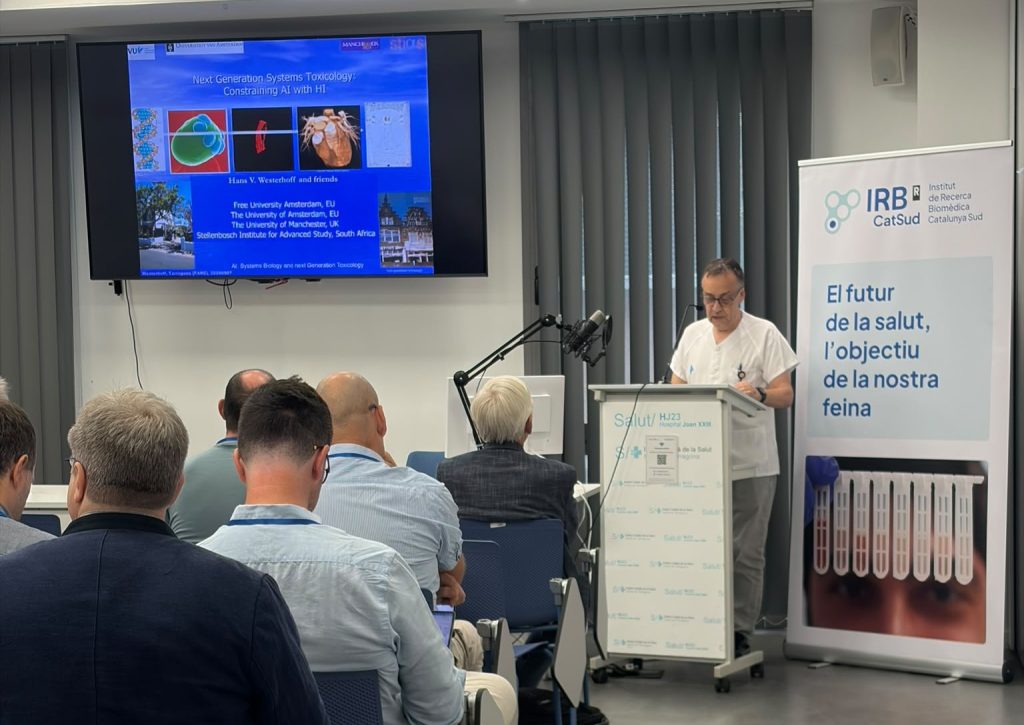
This week, Tarragona is the European headquarters for the protection of health and the environment against the risks caused by products of chemical origin. A hundred scientists, researchers and risk assessors from the European continent are meeting until this Thursday to mark the roadmap for the scientific regulation of the European Union in the field of chemical safety in the coming years. The Institute for Biomedical Research of Catalonia South (IRB CatSud) is leading this meeting with representatives of a total of 200 international organizations. The objective is to accelerate a paradigm shift through the use of artificial intelligence (AI) and cutting-edge technologies, in the assessment of the risks that chemical products pose to health and the environment. Through these new analytical approaches, the scientific community seeks to predict the impact of pollutants on health and the environment in a much faster, more precise, transparent and economically efficient way.
The meeting, which began on Monday, is led by IRB CatSud together with international scientific organizations from Germany (BfR), France (ANSES) and Greece (AUTH). The conference will feature the direct participation of the continent’s top regulatory authorities, including the European Food Safety Authority (EFSA), the European Chemicals Agency (ECHA) and the European Medicines Agency (EMA).
Throughout Monday and Tuesday, presentations and discussions focused on the impact of emerging technologies, with a special emphasis on the use of artificial intelligence language models for the automation of risk assessment. In parallel, specialists participated in an intensive hackathon to develop prototypes of next-generation analytical tools.
This Wednesday, the focus shifted to the annual meeting of the Working Group on Scientific Data Management (WP7), led by the VITO Institute (Belgium), the University of Birmingham (UK) and IRB CatSud, represented by Vikas Kumar and his team. Experts discussed guidelines to ensure that the vast amount of information generated in Europe is fully accessible and interoperable. This will lay the foundations for the future Centre for Chemical Risk Assessment, contributing to the creation of the European Union’s Common Data Platform on Chemicals.
This meeting is held within the framework of the Partnership for the Assessment of Risks from Chemicals (PARC), a €400 million European megaproject, co-financed by the European Union’s Horizon Europe framework program. PARC brings together more than 200 public and academic institutions from nearly 30 countries with the mission of promoting the European Commission’s Sustainability Strategy for Chemicals and advancing towards the zero pollution goal of the European Green Deal.
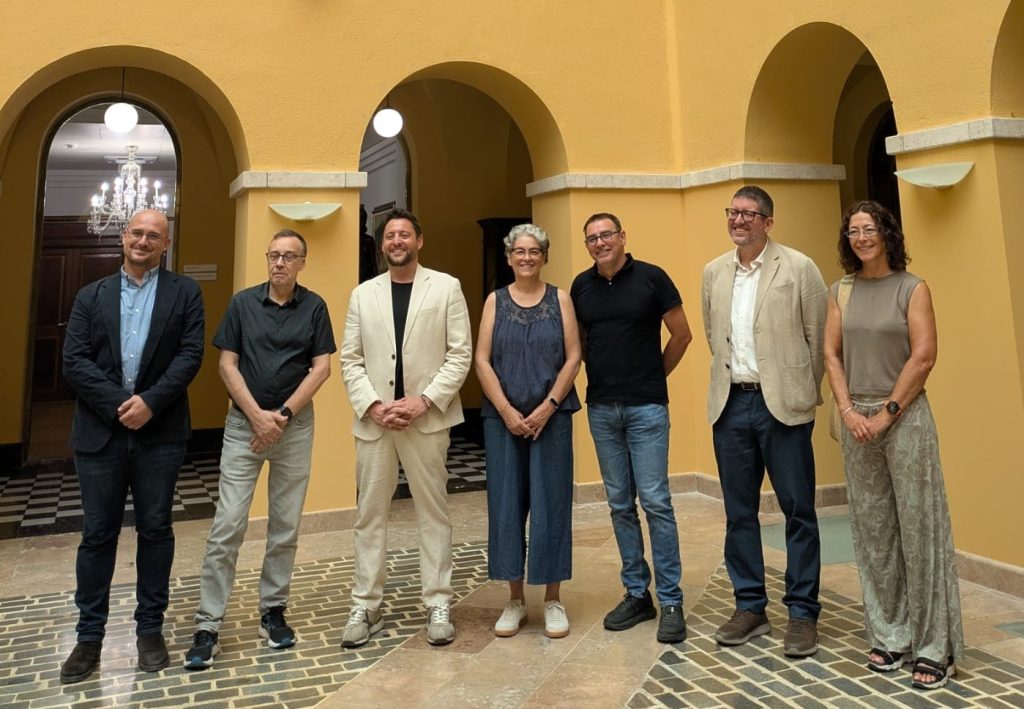
The Tarragona Provincial Council has presented, this Wednesday, September 9 at the Provincial Council Palace, the latest developments in a line of aid intended to support the work of the region’s research centers , which was launched for the first time last year with a total allocation of up to €600,000. The objective, as mentioned, is to continue strengthening the role of research centers as engines of development, innovation and knowledge transfer.
The first call for funding supported projects from seven research centers, including IRB CatSud, which received €100,000 – the maximum awarded per center – to finance the Health and Sustainability Innovation Network – XISS project, which gave life to the creation of the Clinical Research Unit (UIC), which must allow access to clinical trials in all phases for the citizens of Camp de Tarragona and Terres de l’Ebre.
As noted by the Provincial Council, the corporation maintains this line of aid this year, thus consolidating a specific line of support for research. As explained by the first vice-president and deputy delegate for European Projects and Knowledge Region, Rubén Viñuales, this first experience “has allowed us to verify the strength and diversity of the research system in the regions of Tarragona, with projects linked to areas such as health, sustainability, chemistry, agri-food, biotechnology, heritage or wine innovation”.
With the support of the Provincial Council of Tarragona.
The Institut Pere Mata University Hospital and IRB CatSud are organizing, on December 3 , the 1st Research and Innovation Conference for Residents , a meeting aimed at residents ( MIR, IIR, PIR, FIR, BIR, RFIR and QIR ) from the different teaching units in the province of Tarragona. The objective of the conference is to create a common space to share research projects, foster collaborations and promote interest in research and innovation among professionals in training.
Research is a fundamental pillar for the progress of knowledge and for the continuous improvement of healthcare practice. For this reason, this conference aims to become a space for the exchange of experiences, ideas and initiatives that allows to give visibility to the research activity developed by residents, as well as to favor the creation of synergies between specialties, centers and disciplines.
Collaboration, scientific curiosity and innovation are essential elements to face the present and future challenges of our health system and this is what will be evident at the conference. With this initiative, the organization wants to promote a more connected, active and committed research community.
This event aims to consolidate itself as a regular meeting point between residents and the organizing team’s desire is for it to become a reference space in the territory, capable of showcasing the talent, effort and commitment of professionals in training.
This first edition is conceived as the beginning of a collective project with a vocation for continuity, with the aim of contributing to strengthening the research community of the territory.
At this link you can view the program and register, either to attend the event or to present a paper.
*EVENT POSTPONED: due to the weather alert expected for October 1, and for the safety of all attendees, the 6th Solidarity Dinner at the Olympus Palace 4* Hotel in Salou is rescheduled and will take place next Thursday, October 22.
With the aim of contributing to awareness for the prevention of cardiovascular diseases and at the same time supporting scientific research, the Hotel Olympus Palace 4* in Salou will celebrate a new edition of its traditional solidarity dinner on the SUMMIT rooftop on Thursday 1 October. This year the profits will go to the Biomedical Research Institute of Southern Catalonia (IRB CatSud) and the donation will contribute to the promotion of research projects in the prevention of cardiovascular diseases and, specifically, to the INVESCART group of the IRB CatSud, which carries out its research work at the Hospital Joan XXIII in Tarragona.
During the public appearance to present this solidarity dinner, Gil Cristià , on behalf of the property of the Hotel Olympus Palace 4* , stated that “the heart we have located in front of the hotel and on the Salou promenade symbolize the heartbeat for which we are joining efforts this 2026. We want to highlight the professionals of the territory and everything they do to look after our hearts”. Gil Cristià also highlighted the poster for the solidarity dinner, worked on by the students of the Tarragona School of Art and Design within the ‘Olympus Scholarship’ project.
For his part, Dr. José Luis Ferreiro , Head of the Cardiology Service at the Joan XXIII Hospital in Tarragona, explained that “in hospitals of maximum technological complexity like ours there are three main axes: healthcare work, research and teaching. And in terms of research, we have very powerful lines of research in cardiology within the state and also at an international level. Therefore, what is achieved at this solidarity dinner will help consolidate existing projects as well as create new ones. We are very grateful to them.”
In this sense, Dr. Joan Vendrell, director of the IRB CatSud, stressed that “by conducting research and especially research closely linked to the territory, we improve, for example, the healthcare sector. Consequently, this affects our quality of life and, therefore, this is a very important impact that we must be aware of as a population. This type of initiative, such as the one planned by the Olympus Palace Hotel, is fundamental as a society.”
Other entities also involved in the initiative are Rotary Club Tarragona and the Salou City Council. Esther Fernández, vice president of the Rotary Club Tarragona, commented that “from our entity we will give all possible support to the cause and we will do our utmost to spread the word among our social mass to help make it a success.”
Finally, the mayor of Salou, Pere Granados , added that “initiatives like these from the Hotel Olympus Palace demonstrate the spirit of Salou and its entities. A solidarity linked to the hearts of the people, to the heart of Salou and which is a benefit for the territory. Many congratulations.”
Since 2019, adding alliances with the territory
This will be the sixth charity dinner organized by the Hotel Olympus Palace. The first was in 2019 for the Tarragona Cancer Association; in 2022 for autism (Todos en Azul); in 2023 for Alzheimer’s (Rosa Maria Vivar Foundation), in 2024 for the Pere Virgili Health Research Institute and the Stroke Unit of the Neurology Service of the Joan XXIII Hospital in Tarragona. Finally, the 2025 edition was held for the International Solidarity Sports Foundation (ESI), raising 16,190 euros.
The Olympus Palace 4* Hotel also wanted to thank the sponsors involved in the cause of this 2026: Grup Oliva Motor, Global Talke, Supermercats Michelangelo, Porcelanosa, Damm Foundation, The British School of Costa Daurada, Tomas Llobet – Cuines Profesisonals Industrials, Bugamed – Bugaderia del Mediterrani, Frutas López Sánchez and Metalics Aleix SL.
Participation in the charity dinner
The charity dinner will be held on Thursday, October 1, at 7 p.m., on the SUMMIT rooftop of the Olympus Palace 4* Hotel. The price for the charity cause is 60 euros per person. There is also a zero row for all those people and entities who want to collaborate. “It will be a cocktail dinner full of surprises and raffles. All in an incomparable space, in a unique evening that will please the attendees, I am convinced.” Registration for the charity dinner must be formalized by paying the 60 euros to the following number: ES67 2100 8669 7702 0002 8168 (also zero row). For any questions, the contact number is 690 149 866 .
Tarragona hosted the 23rd Liver Sinusoid Meeting 2026 from May 22 to 26. This is one of the main international meetings in the field of liver blood vessel biology. The congress brought together around 200 researchers and clinicians from different countries and placed the city and its biomedical research ecosystem at the center of the international scientific scene.
Jordi Gracia-Sancho, a researcher at IRB CatSud and head of the Liver Research Unit, was part of the organising committee and one of the main promoters of the meeting, being also the president of the International Society for Hepatic Sinusoidal Research (ISHSR). The event also included the participation of Sonia Fernández-Veledo, co-leader of the Diabetes and Associated Metabolic Diseases research group (DIAMET), highlighting the important role of local researchers in the scientific coordination of the congress.
Over five days, participants shared the latest advances in liver vascular biology, inflammation, immunity and fibrosis, as well as new findings on liver diseases. The programme included talks by international experts, oral presentations and poster sessions, encouraging scientific discussion and new collaborations.
Within the congress, the DIAMET group from IRB CatSud had an active role with several scientific contributions. Sonia Fernández-Veledo chaired a session on stellate cell biology and fibrosis. Predoctoral researcher Laura Salmerón gave an oral presentation about how certain liver mechanisms influence immune response. Anna Marsal also presented a poster on how these mechanisms affect liver cell function and their response to nutrients.
One of the most important moments of the meeting was the celebration of the 50th anniversary of the International Society for Hepatic Sinusoidal Research (ISHSR), which reviewed 50 years of progress in this field. Key initiatives for the future were also presented, including an international agreement on the use of new experimental models in liver research.
International visibility and local impact
Beyond its scientific importance, the congress helped promote Tarragona as a city able to host large international events, combining excellent research with culture, heritage and gastronomy. The social programme included cultural activities and visits so participants could explore the region.
At the same time, the organisers promoted outreach activities through workshops in local schools, bringing biomedical research closer to students and encouraging interest in science.
This edition also created new collaborations, strengthening the role of Tarragona and IRB CatSud in international liver research.
Scientific outreach in local schools
As part of the activities before the congress, researchers from IRB CatSud, CIBER and CSIC, together with members of the Scientific Committee, organised outreach actions to bring biomedical research and liver science closer to the local community.
They held four workshops for secondary school students (3rd year ESO) from Vedruna Tarragona and La Salle Torreforta. These sessions explained the liver, health and research in a simple and interactive way.
This initiative helped increase students’ interest in science and highlighted the importance of research in understanding and treating liver diseases, while strengthening the connection between scientists and the local community. The workshops were led by researchers involved in the congress, including Jordi Gracia-Sancho, Anna Marsal, Anabel Fernández-Iglesias and Anna Moles.
The congress was supported by several institutions, including Tarragona City Council, Tarragona Provincial Council, the Spanish Ministry of Science, Innovation and Universities, and the Government of Catalonia.
After Tarragona, the next edition of the Liver Sinusoid Meeting will take place in Tokyo in October 2028.
Reus, Tarragona and Tortosa will once again host the international science outreach festival Pint of Science, taking place from 18 to 20 May. The event brings cutting-edge research to everyday places such as bars and cafés. Researchers from IRB CatSud take part with short and accessible talks designed to bring science closer to the public.
In Reus, the programme includes a strong representation from the Institute. On Monday 18 May (7 pm), at Gastropub As de Copes, researcher Maite Royo Iglesias will talk about mental health with ‘Més enllà del moment: adversitats i salut mental’. At the same time, at Racó de l’Orfeó Reusenc, Martí Llaurador-Coll will present ‘Sang: l’Amazon del nostre cos’, and IRB CatSud deputy director Elisabet Vilella, together with Josep Gumà, will explain precision medicine from the fields of psychiatry and oncology.
The following day, also in Reus, the programme continues from 7 pm. At As de Copes, Héctor Vázquez Lorente will speak about nutrition and bone health, and Sara Bernardo Castro will present ‘El menú secret del cervell: dieta abans de néixer’. Meanwhile, at Orfeó Reusenc, Bernat Ballvé Gelonch will explore the impact of diet on mental disorders.
In Tarragona, IRB CatSud researchers will also take part. On 18 May (7 pm), at Tòtem Café, Aleix Ribas Latre will give the talk ‘Què és el jet lag social?’, focusing on the difference between biological, social and solar clocks, and how this misalignment affects daily life. On 19 May (7 pm), at the same venue, Iris Ginés Mir will discuss the effects of tobacco, with a focus on how smoke exposure can worsen Crohn’s disease. The programme continues on 20 May (7 pm), at Sala Zero, with Andrea Pérez Valle presenting ‘Les Teresines fan línia! Gens, entorn i proteïnes’, a talk about the relationship between genes, environment and mental health.
In Tortosa, the focus is on researcher Maricela Jiménez-López, who will present ‘REMAP-CAP: la ciència quan més la necessitem’. The talk will explain an international clinical trial that studies how to improve the treatment of patients with severe respiratory infections such as pneumonia or COVID-19. The project uses an adaptive design that allows it to learn in real time and adjust treatments depending on their effectiveness, a model that has already proved useful in emergency situations.
Pint of Science is an international festival held in 27 countries, with the aim of bringing research closer to society in a relaxed and informal setting. Over three days, more than fifty researchers from the region will share their work with the public, helping to make science more accessible.
The grants, with more than €270,000 in funding, support advanced projects in personalized radiotherapy and artificial intelligence. A third grant is aimed at specialized training in molecular oncology
The Spanish Association Against Cancer in Tarragona presented on Thursday, 19 February, the three grants awarded for the 2025 call. These grants show a strong commitment to cancer research and to the goal of reaching a 70% cancer survival rate by 2030.
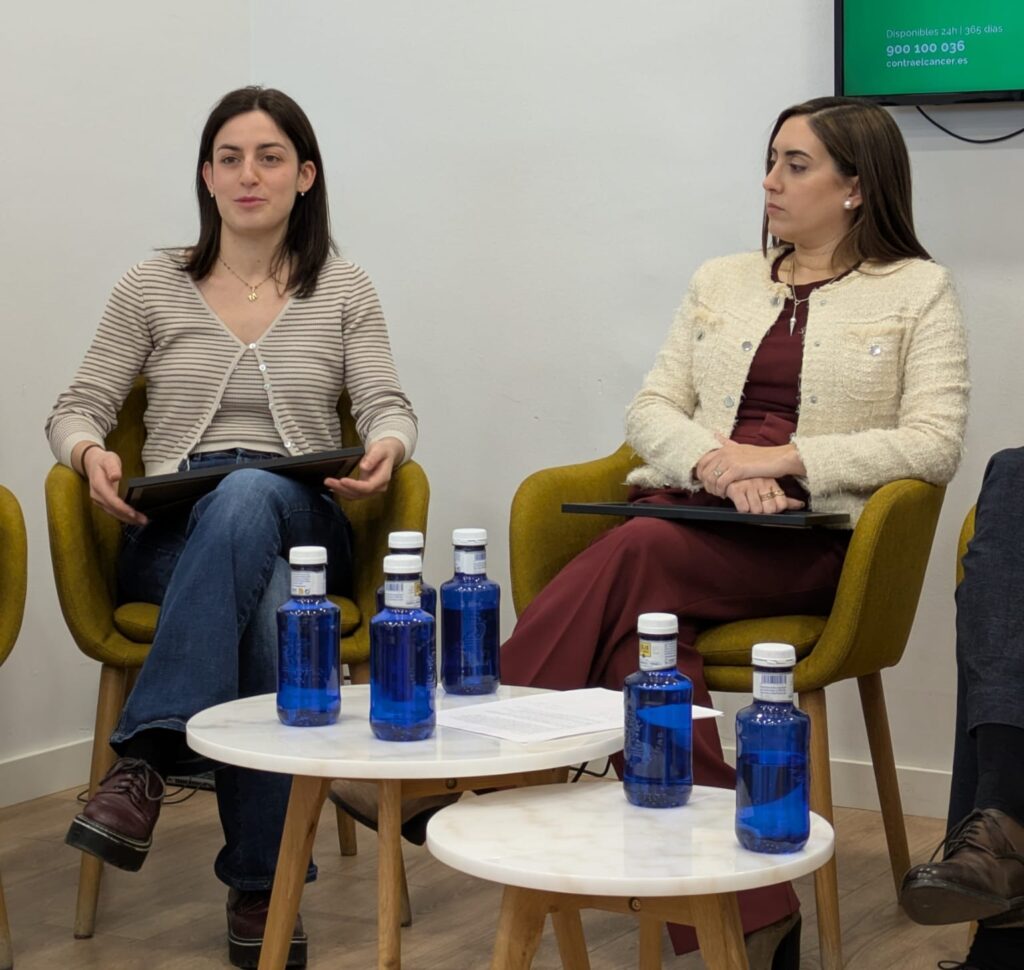
Two of the funded researchers work at the Institute of Biomedical Research of Southern Catalonia (IRB CatSud, formerly IISPV). They lead projects that combine technology, innovation, and clinical impact: Dr Bárbara Antonia Malavé and Marta Canela.
Dr Bárbara Antonia Malavé has received the Clinic Junior Grant AECC 2025, supporting a project focused on improving radiotherapy treatment for prostate cancer. The project uses advanced biomarkers and artificial intelligence to adapt treatments to each patient. The grant provides €154,000 over four years.
Also at IRB CatSud, Marta Canela has received the AECC Tarragona Predoctoral Grant 2025. Her research combines medical imaging and blood analysis to predict how patients with lung cancer will respond to radiotherapy. The grant provides €110,660 over four years.
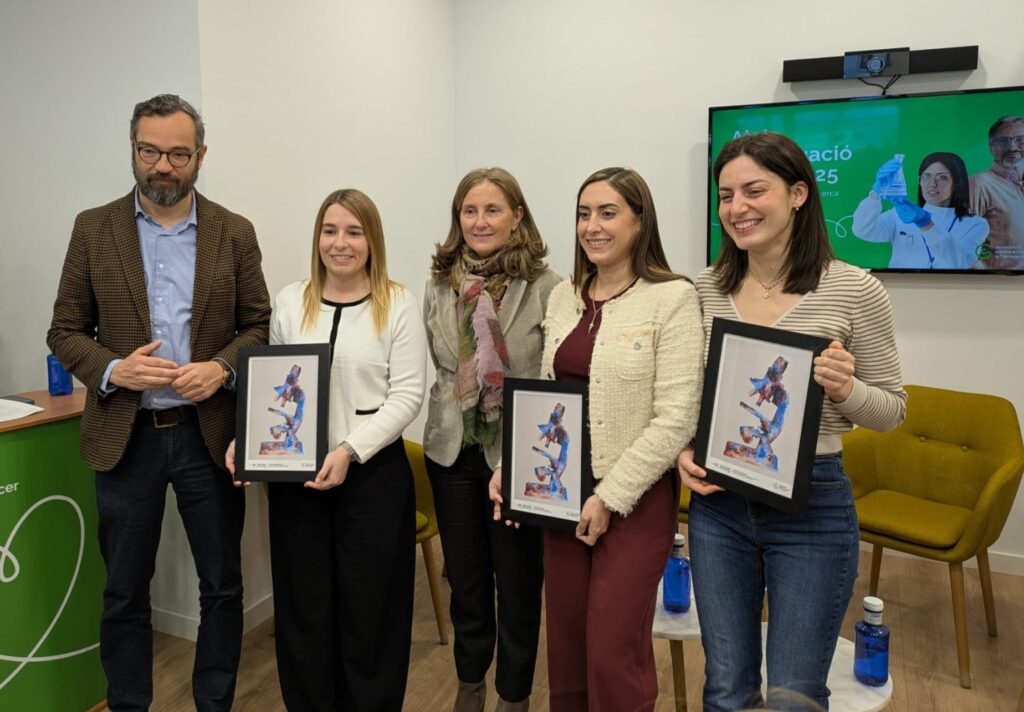
The third grant has been awarded to Maria Guirro, who will receive the Clinic Training Grant AECC 2025. The €7,100 contribution will allow her to complete the Master’s Degree in Molecular Oncology (MOM).
Next Saturday, November 22, the Institute will hold the event ‘La recerca en salut surt al carrer’, which includes an escape room, medical tests, CPR workshops, and a demonstration of how an ambulance works.
The Institut d’Investigació Sanitària Pere Virgili (IISPV) will organize the fun event ‘La recerca en salut surt al carrer’ on Saturday morning, November 22, in the center of Tarragona. This initiative is part of the celebrations for the Institute’s 20th anniversary. It was already held in Reus last October and was very well received, with more than 500 people taking part in the activities. Now, IISPV brings the event to Tarragona, specifically to Plaça Corsini and the Mercat Central. Activities will include an escape room about the Institute, non-invasive medical tests, CPR workshops with mannequins, and a demonstration of how an ambulance works. All activities are free, but participants must register in advance on the IISPV website to join the escape room.
The event is organized in collaboration with the Tarragona City Council, Tarragona Markets, and the Servei d’Emergències Mèdiques (SEM) of the Generalitat. Its goal is to help citizens learn more about the work of this biomedical research institute, which has been operating in southern Catalonia for 20 years. The activities planned are:
Escape room ‘Investiga… I ajuda’ns!’
Four groups of five people will help IISPV stop an attack that aims to sabotage the work of its researchers. Each group will face different challenges to protect the four research areas of IISPV: metabolism and nutrition, oncology, mental health and neurosciences, and infection, immunity and environment. The activity lasts about 45 minutes and requires prior registration. It will take place at Tarragona Espai Comerç”, and the meeting point is the entrance to the Central Market on Cristòfor Colom Street. Time slots are: 10:30, 11:30 and 12:30.
Medical tests ‘Aquí et cuidem!’
Throughout the morning, the interior of Tarragona’s Central Market will host several non-invasive medical tests, available to anyone interested:
Workshops ‘Anima’t i reanima!’
All morning long, Plaça Corsini will host the ‘Anima’t i reanima!’ workshops, led by professionals from IISPV and SEM. Using mannequins, participants will learn how to identify a cardiac arrest and how to perform CPR. They will also get to see how an ambulance works, with one on display in the square.