
Representatives of the future Clinical Research Unit (UiC) of the IRB CatSud , an infrastructure funded by the Carlos III Health Institute and with the support of the Tarragona Provincial Council , met this Tuesday, September 15, with the president of the Cancer League of the Counties of Tarragona and Terres de l’Ebre , Agustina Sirgo, and with volunteer patients to co-design the waiting room of the new infrastructure.
The initiative is part of the desire to bring the UiC project closer to the public, an infrastructure that will facilitate access to clinical trials for people in the Camp de Tarragona and Terres de l’Ebre. The participatory session served to gather the experiences, needs and proposals of the representatives of the League against Cancer in relation to the design of the waiting room of this new unit, located at the Sant Joan University Hospital in Reus , and with the aim of supporting clinical research activity throughout the province of Tarragona.
This activity has allowed the knowledge and experience of patients to be incorporated, recognizing them as active participants in the definition of a more welcoming, accessible space adapted to the real needs of users. The contributions collected will contribute to the development of a more humanized and people-centered environment , promoting trust, well-being and a better experience of participation in clinical research .
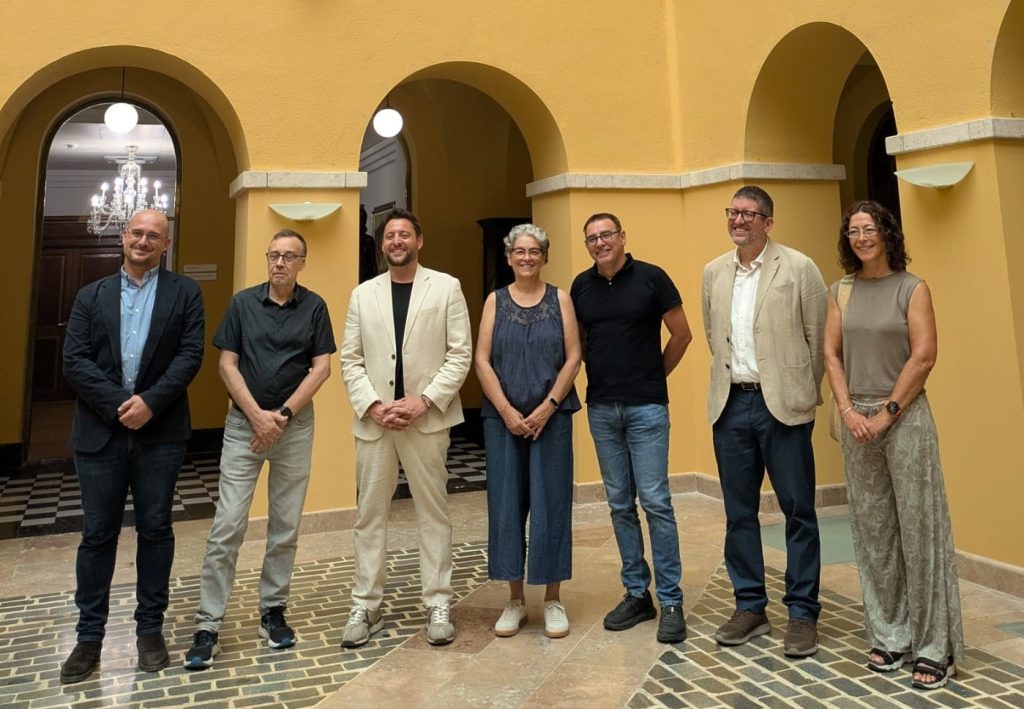
The Tarragona Provincial Council has presented, this Wednesday, September 9 at the Provincial Council Palace, the latest developments in a line of aid intended to support the work of the region’s research centers , which was launched for the first time last year with a total allocation of up to €600,000. The objective, as mentioned, is to continue strengthening the role of research centers as engines of development, innovation and knowledge transfer.
The first call for funding supported projects from seven research centers, including IRB CatSud, which received €100,000 – the maximum awarded per center – to finance the Health and Sustainability Innovation Network – XISS project, which gave life to the creation of the Clinical Research Unit (UIC), which must allow access to clinical trials in all phases for the citizens of Camp de Tarragona and Terres de l’Ebre.
As noted by the Provincial Council, the corporation maintains this line of aid this year, thus consolidating a specific line of support for research. As explained by the first vice-president and deputy delegate for European Projects and Knowledge Region, Rubén Viñuales, this first experience “has allowed us to verify the strength and diversity of the research system in the regions of Tarragona, with projects linked to areas such as health, sustainability, chemistry, agri-food, biotechnology, heritage or wine innovation”.
With the support of the Provincial Council of Tarragona.

IRB CatSud hosted a training session on June 11, focused on updating the new MRI equipment of the Clinical Research Unit (UiC). This activity allowed to publicize the technical characteristics of this infrastructure and its applications in the development of clinical studies.
The training was aimed at research staff, health professionals and research support teams, and combined theoretical content with the analysis of practical cases linked to the field of biomedical research. The session was given by the medical imaging specialist Gerard Blasco Solà, with experience in clinical applications and training in magnetic resonance, who shared applied knowledge about the possibilities of this advanced equipment.
With this initiative, IRB CatSud reinforced the training of professionals in the territory and promoted the use of cutting-edge technologies to promote the development of new clinical research projects.
• The facility will be located at the Sant Joan University Hospital in Reus, in a 550‑square‑metre space
• The creation of this Unit has a total cost of 4.3 million euros, funded by the Ministry of Science, Innovation and Universities and the Next Generation funds
The Southern Catalonia Biomedical Research Institute (IRB CatSud, formerly IISPV) has already started the initial work to build its new Clinical Research Unit (CRU), in collaboration with the Hospital Universitari Sant Joan de Reus (HUSJR). This is a pioneering facility that will make it possible to carry out studies and clinical trials of medicines in all their phases, from the most experimental ones to the final stages before approval. The unit, which will occupy a 550‑square‑metre area inside the HUSJR, is funded with 4.3 million euros from the Instituto de Salud Carlos III, the public body under the Ministry of Science, Innovation and Universities that manages biomedical research in Spain, and from the Next Generation EU funds.
The new CRU will represent an important step forward for the region’s capacity to develop high‑level clinical research. Until now, phase I trials for cancer patients —the most experimental ones, which allow a medicine to be given to a patient for the first time— could only be carried out in centres linked to large hospital structures, mainly in the Barcelona area. With this new unit, patients from Camp de Tarragona, Baix Penedès and Terres de l’Ebre will have access to these studies without having to travel far from home.
The director of IRB CatSud, Joan Vendrell, highlights that the CRU “will serve more than 800,000 inhabitants and will allow citizens to have more equal access to innovative therapies, which until now were only available in centres far from the region”. Anton Benet, manager of Salut Sant Joan Reus‑Baix Camp, adds that the unit “will make it easier to attract new studies in many specialties, especially in oncology, and will strengthen the region’s ability to attract and retain talent, which is very important in a context where there is a lack of specialised health professionals”.
The CRU will also include high‑precision technology, such as a 3‑Tesla MRI scanner for advanced studies, as well as specific areas for specialised tests, monitoring and telemedicine. The project involves the three health regions, local administrations and the Rovira i Virgili University, which have taken part in defining the strategic plan. In addition, the Tarragona Provincial Council will fund the creation of the Body Composition Analysis Unit with 500,000 euros. This unit will be located inside the CRU and will include a special room for metabolic studies, unique in Spain.
The construction work is expected to continue until the end of 2026, when the unit is planned to start operating. Its launch will strengthen Southern Catalonia as a reference point in clinical research and will help improve healthcare practice and treatment opportunities for the population.
The project is supported by the Diputació de Tarragona, which has granted funding of 100,000 euros to carry out the initiative
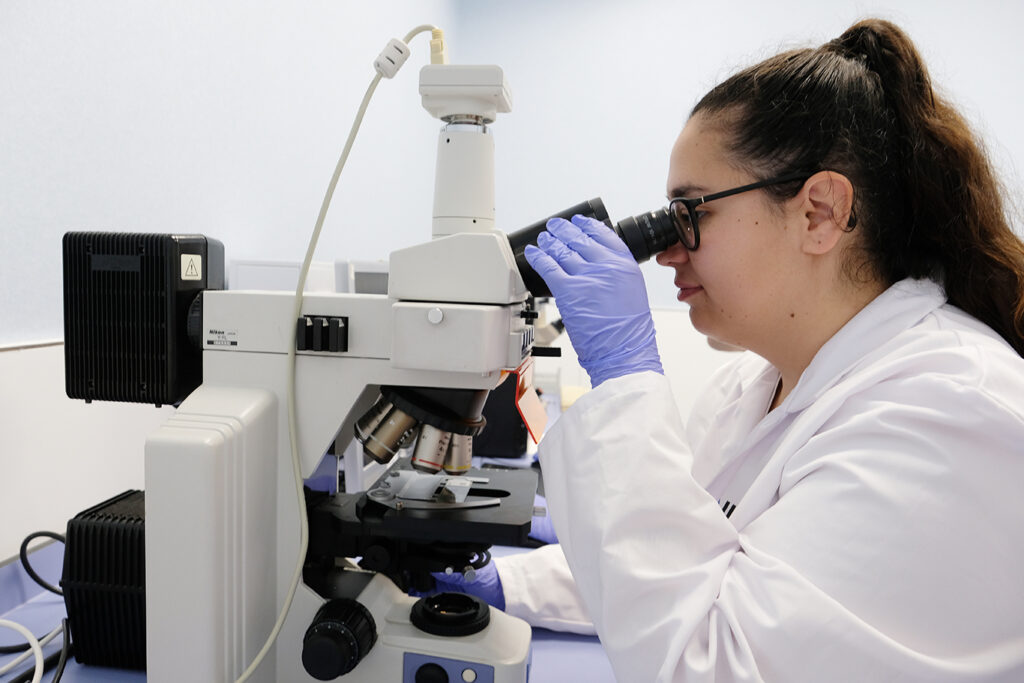
The Pere Virgili Health Research Institute (IISPV) — which from 2026 will become the Southern Catalonia Biomedical Research Institute (IRB CatSud) — is leading the XISS project to integrate biomedical research and social innovation. The aim of the project is to transform the province’s healthcare system by creating effective connections between biomedical research, technological innovation, and citizen participation, with a direct impact on people’s health and well‑being. This initiative is carried out with the collaboration of the Diputació de Tarragona, which has provided a grant of €100,000 to support its development.
The project has enabled the preliminary studies for the creation of the Southern Catalonia Clinical Research Unit (UiC), which will be located at Sant Joan University Hospital in Reus and coordinated together with the three health regions (Camp de Tarragona, Terres de l’Ebre, and Baix Penedès). This infrastructure will make it possible to develop advanced clinical trials, including phase I oncology studies, as well as multicentre research on cardiovascular, metabolic, infectious, and neurodegenerative diseases.
The UiC will make it easier for patients from rural or geographically dispersed areas to take part in studies, reducing inequalities and increasing access to therapeutic innovation. In addition, data interoperability and the implementation of telemedicine services will ensure equal opportunities in access to clinical trials.
The project covers 184 municipalities and 10 counties in the province of Tarragona, involving local and socioeconomic stakeholders (city councils, hospitals, primary care centres, the university, civil society, patient associations, biotechnology and pharmaceutical companies, business clusters, and start‑ups).
Among the results already achieved are:
An analysis of the Spanish Clinical Studies Registry shows that the province of Tarragona has a much lower concentration of clinical trials than Barcelona (21.89 per million inhabitants compared to 114.89). The XISS project addresses this need by ensuring a more balanced distribution of resources and clinical research structures across Catalonia.
The XISS project positions itself as a national reference in translating scientific knowledge into clinical practice, promoting a healthcare system focused on people, the territory, and the reduction of social and geographical inequalities.