IRB CatSud, HUIPM and CIBERSAM contributed one of the cohorts that helped validate the findings
The research, published in Nature Genetics, analysed data from nearly 13,000 people with the disorder and more than one million people without a diagnosis, from 14 countries
Borderline Personality Disorder (BPD) affects around 2% of the population in Western countries. It usually begins during adolescence and is diagnosed about three times more often in women than in men. The disorder is characterised by persistent instability in emotions, relationships and self-image, and is often linked to self-harming behaviours and a high risk of suicide. Despite its severity, there is currently no medication specifically approved to treat BPD, and its biological basis remains poorly understood.
Now, an international research consortium, with the participation of Hospital Universitari Institut Pere Mata (HUIPM) and the Institut de Recerca Biomèdica Catalunya Sud (IRB CatSud), has identified for the first time regions of the genome that are consistently associated with the disorder. Published in Nature Genetics, the study is the largest genetic analysis of BPD carried out to date and the first study of its kind on a personality disorder to produce conclusive results.
The research combined data from 27 clinical studies, biobanks and population cohorts from 14 countries. The project was coordinated by the Central Institute of Mental Health in Mannheim, Germany, within the framework of the Psychiatric Genomics Consortium. The Genetics and Environment in Psychiatry (GAP) research group, a joint initiative of HUIPM, IRB CatSud, Universitat Rovira i Virgili (URV) and CIBERSAM, contributed one of the two independent cohorts used to confirm the results obtained in the main analysis. Other CIBERSAM groups also took part, including teams from Hospital de la Santa Creu i Sant Pau and Hospital Universitari Vall d’Hebron.
The study identified a total of 11 regions of the genome and nine genes that may contribute to the development of the disorder. It also estimates that the common genetic variants analysed account for around 17% of susceptibility to BPD. These findings confirm that the disorder has a polygenic architecture, meaning that it results from the combined effect of many genetic variants, each with a small impact, similar to what has been observed in schizophrenia, depression and bipolar disorder.
The analysis also shows that the genetic risk linked to BPD overlaps considerably with that of other mental health conditions, particularly post-traumatic stress disorder, depression and attention-deficit/hyperactivity disorder (ADHD). Similar links were found with antisocial behaviour and measures related to suicide and self-harm. In addition, the study identified connections with physical health conditions such as chronic obstructive pulmonary disease (COPD), type 2 diabetes, obesity and hypertension. This finding is particularly important because a significant part of the reduced life expectancy observed in people with BPD is related to physical health problems. It also highlights the need for healthcare approaches that consider the individual’s overall health.
According to Elisabet Vilella, head of the Genetics and Environment in Psychiatry (GAP) research group, “these results show that BPD has a biological basis comparable to that of other severe mental disorders. This evidence should help reduce the stigma that still affects people living with the disorder and their families.”
The authors compare these findings to the early genetic studies of schizophrenia conducted around fifteen years ago, which initially identified only a few genomic regions before larger international collaborations and expanded sample sizes led to many more discoveries. They also point out two important limitations. First, all the samples analysed were of European ancestry, highlighting the need to extend research to more diverse populations. Second, the genetic risk scores derived from the study are research tools and cannot be used to predict an individual’s risk or to make clinical diagnoses. The data have been made available to the scientific community to support future studies and, in the long term, contribute to the development of new treatments.
Article reference
Streit, F., Awasthi, S., Hall, A. S. M., et al. Genome-wide association analyses of borderline personality disorder identify 11 loci and highlight shared risk with mental and somatic disorders. Nature Genetics (2026). Published 20 July 2026.
The results, published in the journal Resuscitation Plus, show that women have fewer shockable rhythms, lower survival and different causes of death than those observed in men.
The research, within the framework of the Registry of Cardiac Arrests and Sudden Death of Catalonia (RAIMCAT), has been developed by the SEM in collaboration with the Institute of Legal Medicine and Forensic Sciences of Catalonia, the Biomedical Research Institute of Catalonia South (IRB CatSud), the Sant Joan University Hospital of Reus, the Rovira i Virgili University, among other institutions.
A study led by the Medical Emergency System of Catalonia (SEM), in collaboration with the Institute of Legal Medicine and Forensic Sciences of the Department of Justice and Democratic Quality, the Biomedical Research Institute of Southern Catalonia (IRB CatSud), the Sant Joan University Hospital in Reus, the Rovira i Virgili University, the Polytechnic University of Catalonia, the IDIAP Jordi Gol and other Catalan institutions, concludes that the survival of women after sudden cardiac death is approximately half that recorded in men.
The research, recently published in the scientific journal Resuscitation Plus , concludes that women not only survive less frequently after sudden cardiac death, but also present a different clinical profile compared to men that can condition prevention, treatment and survival.
The differences affect aspects as diverse as the age at which the episode occurs, the initial heart rhythms, the causes that originate the cardiac arrest and some clinical history that may play a relevant role during the assessment and treatment of patients.
The study, carried out within the framework of the Registry of Cardiac Arrests and Sudden Death of Catalonia ( RAIMCAT ), analysed 639 cases of sudden cardiac death occurring between 2014 and 2017, 191 of which were women, 29.9% of the total. The results show a survival rate of 4.2% in women compared to 9.9% in men. The study also concludes that women presented fewer shockable rhythms —cardiac arrest rhythms in which the application of an electric shock with a defibrillator is indicated— than men (21% compared to 36%) and received fewer resuscitation attempts.
These results indicate that sudden cardiac death is not a homogeneous pathology and that incorporating the gender perspective can contribute to improving both prevention and diagnostic and therapeutic strategies.
“Sudden cardiac death does not manifest itself in the same way in women and men. Understanding these differences is essential to adapt preventive strategies, care protocols and increase the chances of survival,” highlights Dr. Youcef Azeli from the Medical Emergency System and principal investigator of the study.
A differentiated clinical profile
The analysis of 639 cases of sudden cardiac death shows a lower incidence in women. However, their probability of survival is significantly lower than that of men, approximately half.
The study highlights that women reach the episode of sudden death with different characteristics. On average, they are older than men when sudden death occurs (74 years compared to 66 years), they have less frequent shockable rhythms – those that offer a greater chance of success with early defibrillation – and they suffer certain causes of death at a higher rate.
Among these causes, pulmonary embolism stands out, which is more than four times more frequent in women than in men (13.3% compared to 3%). There is also a higher burden of psychiatric disorders than in men (15% compared to 9%), a higher history of alcohol consumption (25% compared to 16%), and a higher presence of antidepressants (11% compared to 2%).
Implications for clinical practice
The authors emphasize that pulmonary embolism may be underdiagnosed in women during resuscitation, which limits the use of thrombolytic treatment at the time of arrest. The study also emphasizes the need for closer cardiovascular monitoring using electrocardiograms, especially to monitor the QT interval, in women on psychotropic drug treatment, especially if they also consume alcohol.
About the study
The study has been led by the Medical Emergency System of Catalonia (SEM), with the Institute of Legal Medicine and Forensic Sciences of Catalonia as the main scientific partner, and has had the collaboration of the Biomedical Research Institute of Southern Catalonia (IRB CatSud), the Sant Joan University Hospital of Reus, the Rovira i Virgili University, the Polytechnic University of Catalonia (UPC), the IDIAP Jordi Gol and other institutions.
The research is part of the Registry of Cardiac Arrests and Sudden Death of Catalonia (RAIMCAT), which integrates healthcare data from the SEM, hospital clinical information, data from judicial autopsies and the primary care network. This approach allows us to reconstruct the complete process of sudden cardiac death and obtain a unique perspective in Europe and much more globally.
Bibliographic reference
Azeli Y., Barbería E., Solà-Muñoz S., Landín I., Fernández A., Rey-Reñones C., García-Gual C., Gomez-Tortosa A., Granado-Font E., Fernández-Sender L., García-Vilana S., Bonet G., Jiménez-Fàbrega X., Bardají A.
A study led by the URV concludes that a diet rich in fibre and whole grains reduces the risk of death, especially from cancer, in people with high cardiovascular risk
For years, much of the debate surrounding carbohydrates has focused on the amount consumed. However, there is growing evidence that the quality of the foods providing them may be decisive for health. An international study by the Universitat Rovira i Virgili (URV), the Institut de Recerca Biomèdica Catalunya Sud (IRB CatSud) and CIBEROBN concludes that people who consume higher-quality carbohydrates have a lower risk of mortality, especially from cancer. The research, published in the journal Food & Function, highlights the importance of prioritising fibre-rich foods such as fruits, vegetables, legumes, nuts and whole grains over products made with refined flours or sugary drinks.
The research team worked with data from 7,210 participants in the PREDIMED project, one of the most important clinical trials on the Mediterranean diet and cardiovascular health. All participants, men aged between 55 and 80 years and women aged between 60 and 80 years, were at high cardiovascular risk and were followed for an average period of six years. During this time, 425 deaths were recorded, of which 169 were due to cancer and 103 to cardiovascular disease.
Beyond the quantity of carbohydrates
To assess the quality of carbohydrates in the diet, the research team used the Carbohydrate Quality Index (CQI), which combines four characteristics of carbohydrate-rich foods: fibre content, the proportion of whole grains relative to refined grains, glycaemic index, that is, how quickly a food raises blood glucose levels, and the proportion of carbohydrates coming from solid foods compared with sugary drinks. The aim was to evaluate the overall quality of the diet rather than simply count the grams of carbohydrates consumed.
The results reveal that participants who followed a poorer-quality diet in terms of the carbohydrates they consumed had a 28% higher risk of dying from any cause and a 48% higher risk of dying from cancer than those whose carbohydrate intake was of higher quality. “Traditionally, a great deal of attention has been paid to the quantity of carbohydrates in the diet, but our results indicate that their quality may be even more relevant for preserving health and increasing life expectancy,” highlights Jordi Salas-Salvadó, Distinguished Professor of Nutrition at the URV, ICREA researcher and co-author of the study.
Fibre and whole grains account for the benefits
The analysis also made it possible to identify which components of high-quality carbohydrates carry the greatest weight in this association. The benefits are mainly explained by a higher intake of fibre and whole grains. In fact, people with the lowest fibre intake had a 51% higher risk of dying from any cause and a 72% higher risk of dying from cancer. An increased risk was also observed among participants who consumed fewer whole grains, whereas the glycaemic index, analysed in isolation, showed no significant relationship with mortality.
According to the researchers, these benefits could be explained by the fact that fibre-rich plant foods also provide vitamins, minerals and other bioactive compounds that contribute to improving metabolic health and reducing the risk of chronic diseases. Therefore, they conclude that a simple strategy to improve health is to prioritise fruits, vegetables, legumes, nuts and whole grains, while reducing the consumption of sugary drinks and products made with refined flours.
Reference: Vázquez-Lorente H, Nishi SK, Shyam S, Martínez-González MA, Corella D, Estruch R, Ros E, Gómez-Gracia E, Fiol M, Lapetra J, Serra-Majem L, Esteve-Luque V, Babio N, Fitó M, Toledo E, Sorlí JV, Zazpe I, Salas-Salvadó J. Carbohydrate quality index and mortality risk in older adults at high cardiovascular risk. Food & Function. 2026;17:4404-4414.
A study led by the URV links a higher consumption of foods rich in choline and betaine with a more favourable evolution of attention, language and executive function in older adults with overweight or obesity
Cognitive decline is one of the main challenges associated with aging. Although it is part of the natural process of growing older, factors such as obesity, metabolic syndrome or cardiovascular diseases can accelerate the loss of functions such as memory, attention or the ability to plan and make decisions. There is growing evidence that diet can help preserve brain health. A new study led by researchers from the Universitat Rovira i Virgili (URV), the Institut de Recerca Biomèdica Catalunya Sud (IRB CatSud) and the Centro de Investigación Biomédica en Red de Fisiopatología de la Obesidad y la Nutrición (CIBEROBN) has observed that a higher intake of choline and betaine is associated with a more favourable evolution of some cognitive functions in older adults with overweight or obesity and metabolic syndrome.
The study, published in The American Journal of Clinical Nutrition, was carried out using data from 6,610 participants in the PREDIMED-Plus project, one of the largest clinical trials in Europe on diet and lifestyle. The research team assessed the dietary habits and cognitive function of men and women aged between 55 and 75 over a two-year period.
The research focused on two nutrients naturally present in various foods: choline and betaine. Choline is an essential nutrient involved in the formation of cell membranes and in the production of acetylcholine, a neurotransmitter that is fundamental for processes such as memory and learning. It is found mainly in eggs, fish, lean meats and dairy products. Betaine, which is derived from choline, takes part in different metabolic and cell-protection processes and is especially abundant in whole grains, spinach, beetroot and some types of seafood.
Better evolution of attention, language and executive function
The results show that individuals with a higher intake of choline experienced a more favourable evolution of attention and language throughout the two years of follow-up. In parallel, a higher intake of betaine was associated with a better evolution of executive function, the set of abilities that allows planning, problem-solving and decision-making, as well as language. The associations were especially evident among participants with the highest intakes of these nutrients.
“Our results suggest that nutrients present in commonly consumed foods may help preserve certain cognitive functions during aging,” explain Héctor Vázquez-Lorente and José María Manzanares-Errazu, first authors of the study and researchers at the Department of Biochemistry and Biotechnology of the URV.
For Jordi Salas-Salvadó, principal investigator of the PREDIMED-Plus project and Professor of Nutrition at the URV, this work reinforces the importance of diet beyond cardiovascular health: “There is increasing evidence that diet also influences brain health. Our results indicate that nutrients such as choline and betaine could contribute to maintaining certain cognitive functions during aging.”
The researchers believe that promoting dietary patterns rich in foods that provide choline and betaine could form part of future nutritional strategies aimed at preserving cognitive health during aging. However, they stress that studies with a longer follow-up period will be needed to confirm these benefits and determine to what extent they may help prevent cognitive decline and dementia in the long term. The study was led by Héctor Vázquez-Lorente and José María Manzanares-Errazu as first authors, and by Lidia Daimiel and Jordi Salas-Salvadó as senior authors. Researchers from numerous Spanish institutions within the CIBER-PREDIMED-Plus consortium also took part.
Reference
Vázquez-Lorente H, Manzanares-Errazu JM, Babio N, Ruiz-Canela M, Corella D, Hernando J, et al. Dietary Choline and Betaine Intake and 2-year Changes in Cognitive Function in Older Adults With Overweight or Obesity and Metabolic Syndrome: A Prospective Cohort Analysis. Am J Clin Nutr. 2026 May;123(5):101265. doi: 10.1016/j.ajcnut.2026.101265. Epub 2026 Mar 11. PMID: 41825530; PMCID: PMC13197923.
A study led by the URV, IRB CatSud and CIBEROBN identifies molecular patterns in blood associated with these metabolic alterations and opens the door to personalized prevention strategies
Type 2 diabetes and insulin resistance affect millions of people worldwide and significantly increase the risk of developing cardiovascular disease and other chronic conditions. However, the biological mechanisms that explain why these metabolic alterations are associated with a lower survival rate are still not fully understood. An international study led by researchers from Rovira i Virgili University, the Institute for Research in Biomedicine of Catalonia South (IRB CatSud), and the CIBER Network for Obesity and Nutrition (CIBEROBN) has identified a series of molecular patterns present in the blood that allow for the detection of individuals at higher risk of mortality.
The research, published in the journal Metabolism , was conducted within the framework of the PREDIMED project and is based on metabolomics, a discipline that analyzes hundreds of molecules in the body to obtain a detailed picture of its function. These molecules, called metabolites, are products of the body’s metabolic processes and contain information about genetic factors, diet, lifestyle, and a person’s health status.
The research team analyzed plasma samples—the liquid fraction of blood in which blood cells float—from nearly 700 elderly individuals with a high cardiometabolic risk. Using advanced mass spectrometry techniques, they examined hundreds of metabolites and identified 31 associated with type 2 diabetes and 105 related to insulin resistance.
Using this data, the researchers constructed two metabolomic signatures—two biological fingerprints that reflect metabolic changes when type 2 diabetes and insulin resistance develop. The results show that people with a more pronounced presence of these signatures had a significantly higher risk of dying during the follow-up period.
More specifically, participants with a metabolic signature associated with type 2 diabetes had a 52% higher risk of mortality from any cause. In the case of insulin resistance, this increase was 33%. Furthermore, the researchers identified several metabolites common to both conditions, which were also associated with a worse prognosis.
To test the robustness of the results, the research team replicated the analysis in three large, independent US cohorts containing data collected over decades: the Nurses’ Health Study I , Nurses’ Health Study II , and the Health Professionals Follow-up Study . This external validation confirmed the associations initially observed in the Mediterranean population of PREDIMED.
“These results help us better understand the biological mechanisms that link alterations in glucose metabolism with mortality risk,” explains Jesús F. García Gavilán, a researcher in the Department of Biochemistry and Biotechnology at the URV. The researcher, first author of the article, also highlights the potential of metabolomics: “If we gather enough evidence, metabolites can be a powerful tool for determining a patient’s risk level, and could even pave the way for adopting precise and personalized prevention strategies.”
The study is the result of extensive international collaboration between institutions in Spain and the United States, including the URV, IRB CatSud, CIBEROBN, the University of Navarra, the Harvard T.H. Chan School of Public Health, and the Broad Institute. The research was led by researchers from the ANUT-DSM group at the URV, IRB-CatSud, and CIBEROBN, and is part of a metabolomics research line supported by a National Institutes of Health project, coordinated by researchers Jordi Salas-Salvadó (URV) and Frank Hu (Navarra).
Reference: García-Gavilán JF, Paz-Graniel I, Pérez-Acosta JA, Ruiz-Canela M, Li J, Clish C, et al. Metabolomic profiles of type 2 diabetes and insulin resistance and their associations with all-cause mortality . Metabolism. 2026;156599.
A study published in Nature Ecology & Evolution shows that natural selection has favoured genetic variants that increase fertility, although they also increase the risk of disease and reduce longevity.
The research, led in Catalonia, provides some of the strongest genomic evidence to date supporting the antagonistic pleiotropy theory, which suggests ageing is caused in part by prioritizing fertility during youth.
The results offer a new evolutionary perspective on human health and help explain why many genetic variants associated with common diseases have been maintained throughout evolution.
Genetic variants that favour higher fertility may have been maintained throughout human evolution even though they also increase the risk of disease and are linked to a shorter life expectancy. This is the main conclusion of a study that helps explain why natural selection has not eliminated many genetic variants linked to common diseases.
The work, led by the Institute of Evolutionary Biology (IBE, CSIC-Pompeu Fabra University) with the participation of Hospital Universitari Institut Pere Mata, the Southern Catalonia Biomedical Research Institute (IRB CatSud) and the Barcelonaβeta Brain Research Center (BBRC), has been published in the scientific journal Nature Ecology & Evolution. The research analysed large-scale genomic data to study the relationship between fertility, longevity and genetic predisposition to 62 diseases.
The results indicate that natural selection tends to maximise fertility during reproductive age. For this reason, it can favour genetic variants that increase reproductive success, even if these same variants carry a higher risk of developing diseases or reduced longevity in later stages of life.
“The results help us understand why natural selection has not eliminated many variants associated with common diseases that have a major impact on health”, explains Dr Arcadi Navarro, director of the Barcelonaβeta Brain Research Center, group leader of the Genomics Research Group and principal investigator at the IBE (CSIC-UPF). “Some of these variants may have been favoured because they increased our ancestors’ reproductive success, even if this entailed a cost to health or lower life expectancy later on”, also adds the professor and ICREA researcher at the UPF, and corresponding co-author of the study.
Researchers have observed that genetic variants simultaneously associated with higher fertility and a higher risk of disease show clear signs of having been favoured by natural selection. This pattern is observed both in recent periods and on evolutionary scales spanning the last 50,000 years.
The data therefore suggest that, from an evolutionary point of view, the reproductive advantages associated with some genetic variants may have offset their detrimental effects on future health. On average, alleles—the different variants of a gene—linked to a higher risk of disease are also associated with greater fertility and reduced longevity.
Analysis at the individual level shows that, among people with a higher genetic risk of developing diseases, there are differences depending on whether the disease appears in childhood (such as autism) or in adulthood (such as glaucoma).
During the childbearing years, those with a high genetic risk who do not go on to develop the disease tend to have more children. In contrast, when the disease appears in adulthood, the opposite is true: the people who end up developing the disease are also the ones who have had the most children. “This is because falling ill at a young age, during the childbearing years, carries a high reproductive cost; in contrast, when the disease appears in adulthood, this cost is lower, because by that time most people have already had children,” explains Eva Brigos Barril, a predoctoral researcher at the IBE (CSIC-UPF) and the study’s first author.
This does not mean that late-onset diseases increase fertility, but rather that some of the genetic variants that increase the risk could also have aided reproductive success during youth.
A new evolutionary perspective on human health
The research falls within the life-history theory, which studies how organisms distribute limited resources between functions such as growth, reproduction and maintenance of the organism.
“One of the major questions in genetics is why variants that increase the risk of developing a disease continue to exist. Our work provides evidence that, in some cases, these variants also confer reproductive advantages”, highlights Dr Gerard Muntané, a researcher at the Pere Mata Institute (IRBCatSud) and a collaborating researcher and professor at Pompeu Fabra University.
In this context, the antagonistic pleiotropy theory suggests that the same genetic variant can have beneficial effects at one stage of life and detrimental effects at another. For example, a variant can aid reproduction during youth and, at the same time, increase the risk of developing a disease during old age.
The new study provides the largest genomic analysis to test this hypothesis in humans to date. The results reinforce the idea that natural selection prioritizes effects that occur before or during the reproductive age but has a lesser capacity to eliminate variants that cause harmful consequences at later stages.
This perspective helps answer one of the big questions in human evolutionary genetics: why genetic variants that increase the risk of suffering from common diseases and have a significant cost to health continue to exist on such a massive scale.
According to the results, the answer lies, at least in part, in the fact that some of these variants also provided reproductive advantages. Therefore, their persistence would not be an evolutionary anomaly, but the result of a balance between the benefits during the reproductive age and the costs that appear later.
Reference article: Brigos-Barril E, Vasallo C, Farré X, et al. Genetic trade-offs in fertility and longevity explain the maintenance of disease-associated alleles in humans. Nature Ecology & Evolution (2026).DOI: 10.1038/s41559-026-03140-z.
A study led by the IRB CatSud and the HUIPM reviews 122 papers on compounds such as vitamin D3 and magnesium across a range of psychiatric disorders
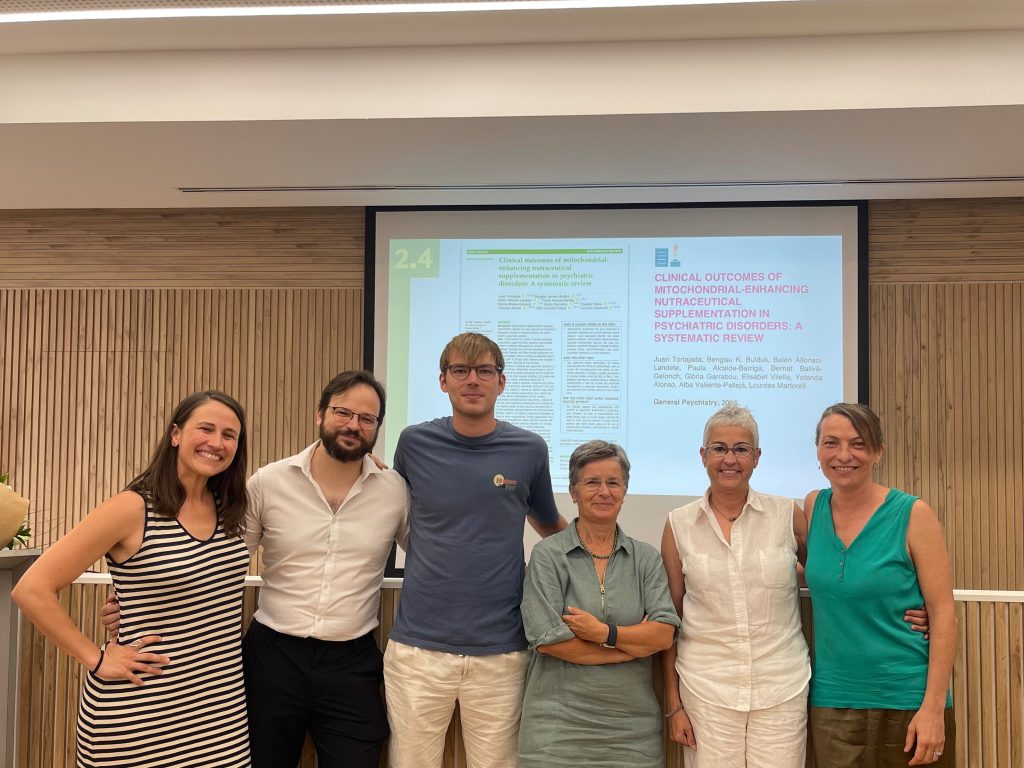
Psychiatric disorders such as schizophrenia, bipolar disorder, major depression, and autism spectrum disorder (ASD) have been linked in recent years to mitochondrial dysfunction—a loss of cellular capacity to produce the energy required for proper functioning. Now, a team from the Institut de Recerca Biomèdica Catalunya Sud (IRB CatSud) and the Hospital Universitari Institut Pere Mata (HUIPM) has led a systematic review on the use of nutraceutical supplements (such as vitamin D3, coenzyme Q10, magnesium, and various B vitamins), which are essential for mitochondrial function, as an adjunctive treatment for these psychiatric conditions.
Considering that the brain consumes approximately 20% of the body’s energy, largely produced within the mitochondria, the research team evaluated whether supplementation targeting this biological pathway could yield clinical benefits. To this end, the researchers reviewed articles published between January 2007 and April 2024. From an initial pool of 2,061 identified records, 122 studies meeting the inclusion criteria were ultimately evaluated.
Among the supplements analyzed, vitamin D3 emerged as the most widely researched across these pathologies. While trials on depression prevention failed to demonstrate an overall effect, individual studies noted improvements in specific subgroups, such as individuals with moderate-to-severe depression or those in the perinatal period. N-acetylcysteine showed more consistent findings across several schizophrenia studies, particularly regarding global symptoms and cognitive functions. The research team emphasizes that: “The findings of this review indicate that certain nutraceuticals could hold a promising role as an adjunctive therapy in psychiatry. However, more robust clinical trials with standardized protocols and validated efficacy biomarkers are required before translating this evidence into clinical practice,” explains Juan Tortajada, lead author of the study and member of the Genetics and Environment in Psychiatry (GAP) group at HUIPM-IRB CatSud-URV.
The authors also highlight the necessity of integrating socioeconomic factors, such as educational attainment and income levels, into future research. These variables can influence access to, adherence with, and continuity of nutraceutical regimens, making them key considerations for designing inclusive strategies in psychiatric care.
The study, led by Lourdes Martorell with Juan Tortajada and Bengisu Kevser Bulduk as co-first authors, has been published in the journal General Psychiatry. The research was conducted within the framework of an interCIBER collaboration, involving the Biomedical Research Networking Center in Mental Health (CIBERSAM) and the Biomedical Research Networking Center on Rare Diseases (CIBERER). This joint effort enabled the integration of expertise in mental health with specialized knowledge in mitochondrial pathology. Glòria Garrabou (IDIBAPS, UB, HCB, CIBERER), a co-author who contributed a translational perspective, notes that “this work could ultimately contribute to the development of novel therapeutic approaches for mental disorders that combine conventional pharmacology with nutritional supplementation
Bibliographical reference: Tortajada, J., Bulduk, B. K., Alfonso-Landete, B., Alcaide-Barriga, P., Ballvé-Gelonch, B., Garrabou, G., Vilella, E., Alonso, Y., Valiente-Pallejà, A., & Martorell, L. (2026). Clinical outcomes of mitochondrial-enhancing nutraceutical supplementation in psychiatric disorders: A systematic review. General psychiatry, 39(3), e70023. https://doi.org/10.1002/gps3.70023
The study was funded by the Instituto de Salud Carlos III and the Agència de Gestió d’Ajuts Universitaris i de Recerca (AGAUR) of the Generalitat de Catalunya.
The Southern Catalonia Biomedical Research Institute – IRB CatSud
was present in Japan at a conference focused on the understanding and treatment of liver diseases. Jordi Gracia-Sancho, head of the Hepatology Research Group at IRB CatSud, took part as an invited speaker at the 62nd Congress of the Japan Society of Hepatology, held in Niigata, Japan, on 18 and 19 June.
During the congress, Gracia-Sancho gave a lecture on the pathophysiological mechanisms of portal hypertension and the therapeutic basis of emerging treatment strategies for this condition, which is one of the main complications of chronic liver diseases. His presentation allowed him to share the latest advances in this field and led to an enriching scientific discussion with leading international researchers and clinicians.
According to the researcher, this activity “strengthens the international visibility of IRB CatSud and reinforces its presence in Japan, a country with a long tradition of excellence in biomedical research and with which the institute maintains increasingly strong scientific links”.
Looking directly at the sun without proper protection can cause retinal injury, which is why certain precautions are essential.
On August 12, one of the most remarkable astronomical events of recent years will take place. The darkness created by the eclipse may give a false sense of safety, yet solar radiation continues to reach the eye during the partial phases. Throughout the eclipse, therefore, looking directly at the sun without protection can cause retinal damage and, because the retina has no pain receptors, the injury may occur without causing any immediate discomfort. In fact, symptoms may appear hours later, manifesting as blurred vision or a dark spot in the center of the visual field. Given these risks, prevention is crucial. Pere Romero, head of the RETIPROGRAM Ophthalmology Group at IRB CatSud and chief of the Ophthalmology Department at Hospital Universitari Sant Joan de Reus, highlights the following recommendations to avoid endangering our eyesight:
Use only certified eclipse glasses They must indicate ISO 12312‑2 compliance, CE marking, the manufacturer, and instructions for use.
Inspect the filters before wearing them Do not use them if they are scratched, punctured, torn, or deteriorated.
Avoid improvised solutions Sunglasses, X‑ray films, smoked glass, or other homemade filters do not protect the retina.
Do not combine eclipse glasses with optical instruments Binoculars, telescopes, and cameras require specific solar filters installed correctly. Eclipse glasses alone are not sufficient.
Keep the glasses on during all partial phases They may only be removed during totality, within the path of totality, and only when the sun is completely obscured. At the first point of returning light, they must be put back on. When in doubt, it is safer to always keep them on.
CHILDREN: CONSTANT SUPERVISION
It is essential to ensure that they always look through the filter and do not attempt to observe the sun above or around the edges of the glasses. They should also not walk around while wearing them.
When should you consult a specialist?
After the eclipse, if blurred vision, image distortion, or a fixed spot in the center of the visual field appears, an ophthalmological assessment is required. It should be noted that symptoms may emerge between two and six hours after exposure. In any case, to prevent injury, it is essential to keep the recommended precautions in mind in order to enjoy this phenomenon safely. In this regard, IRB CatSud will distribute certified eclipse glasses among its staff so that everyone can experience the event safely. Details on how these glasses will be provided will be communicated internally.
A study involving IRB CatSud concludes that consuming a daily portion of nuts contributes to a higher sperm concentration and sperm count with fewer abnormalities.
Research carried out by investigators from the Institut de Recerca Biomèdica Catalunya Sud (IRB CatSud), the CIBER CIBERobn network (Centro de Investigación Biomédica en Red de la Fisiopatología de la Obesidad y Nutrición) and the Universitat Rovira i Virgili (URV) has focused, within the framework of a study published in the scientific journal Andrology, on diet quality in relation to sperm quality. The study concluded that men who regularly consume nuts have better sperm quality.
The study worked with a sample of up to 222 healthy men aged between 18 and 40 years who were participants in the international project called Led-Fertyl. This was a cross-sectional study focused on dietary and lifestyle factors related to semen quality. To analyse the relationship between nut consumption and sperm quality, the researchers collected detailed information on the participants’ eating habits through validated nutritional questionnaires and compared it with the results of their semen analyses, the clinical test used to assess parameters such as sperm concentration, count, and motility.
Participants with a higher consumption of nuts were less likely to show abnormalities in sperm motility, one of the factors that may affect male fertility. More specifically, the research team points out that men who consumed one portion per day were 75% less likely to present sperm motility problems and had a 69% lower risk of having any abnormality in their semen analysis.
Study reference
Dávila-Córdova E, Babio N, Valle-Hita C, Fernández de la Puente M, Beltran-Arasa A, Cebrián-Puig M, Fambuena-Perez V, García-Serrano I, Murphy MM, Salas-Salvadó J, Salas-Huetos A. Nut Consumption and Sperm Quality in Healthy Men: Results From the Led-Fertyl Study. Andrology. 2026. https://doi.org/10.1111/andr.70204
We use cookies on our website to give you the most relevant experience by remembering your preferences and repeat visits. By clicking “Accept All”, you consent to the use of ALL the cookies. However, you may visit "Cookie Settings" to provide a controlled consent.
This website uses cookies to improve your experience while you navigate through the website. Out of these, the cookies that are categorized as necessary are stored on your browser as they are essential for the working of basic functionalities of the website. We also use third-party cookies that help us analyze and understand how you use this website. These cookies will be stored in your browser only with your consent. You also have the option to opt-out of these cookies. But opting out of some of these cookies may affect your browsing experience.
Necessary cookies are absolutely essential for the website to function properly. These cookies ensure basic functionalities and security features of the website, anonymously.
Functional cookies help to perform certain functionalities like sharing the content of the website on social media platforms, collect feedbacks, and other third-party features.
Performance cookies are used to understand and analyze the key performance indexes of the website which helps in delivering a better user experience for the visitors.
Analytical cookies are used to understand how visitors interact with the website. These cookies help provide information on metrics the number of visitors, bounce rate, traffic source, etc.
Advertisement cookies are used to provide visitors with relevant ads and marketing campaigns. These cookies track visitors across websites and collect information to provide customized ads.