




A new study led by Southern Catalonia Biomedical Research Institute – IRB CatSud in collaboration with the Barcelona Institute for Global Health (ISGlobal) -a centre supported by the ”la Caixa” Foundation- and the California Walnut Commission argues that what a woman eats during pregnancy can influence the brain development of her children for many years. The study, published in the European Journal of Epidemiology, has analysed data from 716 mother and son couples from Asturias, Guipuzcoa, Sabadell and Valencia. All this information has been extracted from the IMMA project, which is a study on childhood and the environment. In this case, biological signals have been sought in umbilical cord plasma.
In fact, the levels of omega-3 fatty acids present in the umbilical cord are associated with the cognitive trajectory from childhood to adolescence and show differentiated association patterns for attention, working memory and fluid intelligence from 5 to 15 years. “The type of prenatal feeding leaves a lasting mark on the cognitive trajectory of offspring”, says the principal investigator of the study, Jordi Julvez, at the head of the Clinical and Epidemiological Neuroscience (NeuroÈpia) group at IRB CatSud and researcher at ISGlobal.
The work highlights, however, that not all omega-3s act in the same way. As for the so-called docosahexaenoic acid (DHA), this nutrient is mainly found in fish, with a special emphasis on small and medium blue fish such as sardine, mackerel or salmon, and also in seafood. DHA is essential for the brain to develop properly, as it is part of the structure of neurons. Children who received higher levels during pregnancy show a better capacity for attention, memory and reasoning throughout development up to 15 years. These positive effects can already be seen during childhood and are maintained until adolescence. While the benefit in working memory stands out especially in early childhood, the relationship with attention and fluid intelligence is progressively strengthened as children approach adolescence.
On the other hand, another type of omega-3 is alpha-linolenic acid (ALA), present in foods of plant origin, mainly in nuts, such as walnuts; seeds, such as flax or xia; and certain vegetable oils. Higher ALA levels are associated with better attention capacity in offspring. Children who registered higher levels showed greater ease of concentrating and solving new problems or situations, especially at an early age (5-7 years). Although these advantages tend to be reduced with age, a slight progressive improvement in working memory was also detected in later stages, that is, in the ability to keep information active in the mind and use it immediately.
In contrast to the above, Eicosapentaenoic acid (EPA), which is also found in fish and seafood, was not associated with any of the cognitive abilities evaluated in the children participating in the study.
The importance of the Mediterranean diet as a guide
In a practical way, the first author of the study, Ariadna Pinar-Martí, recalls that the human organism is not able to produce the ALA alone and that it only transforms a small part of it into other beneficial omega-3s. Therefore, it stresses that following a rich and balanced diet -such as the pattern followed by the Mediterranean diet, which adequately combines fish, nuts and quality oils – is the best way to guarantee an optimal contribution of these essential nutrients during gestation.
The work has been carried out with the participation of researchers from other institutions, such as the Universitat Pompeu Fabra (UPF), the Universitat de Barcelona (UB) and the Centro de Investigación Biomédica en Red de Fisiopatología de la Obesidad y Nutrición (CIBEROBN) and the Centro de Investigación Biomédica en Red de Epidemiología y Salud Pública (CIBERESP) of the Instituto de Salud Carlos III (ISCIII).
Bibliographic reference
Pinar-Martí, A., Ayala-Aldana, N., Bernardo-Castro, S. et al. Omega-3 cord plasma proportions and cognitive function trajectories from 5 to 15 years of age: a population-based cohort study. Eur J Epidemiol (2026). https://doi.org/10.1007/s10654-026-01461-8
A study concludes that environmental contaminants capable of altering the hormonal system, also known as endocrine disruptors, do not affect the immune system equally. In fact, they can reduce the viability of immune cells and even modify the signals that activate inflammation. These chemical substances are present in numerous everyday objects, such as food packaging and textiles, furniture and even industrial products. A study led by the Southern Catalonia Biomedical Research Institute – IRB CatSud, entitled Immunomodulatory effects of Bisphenol A, perfluorooctanoic acid, and tris(1,3-dichloro-2-propyl) phosphate on THP-1-derived macrophages, published in the scientific journal Environment International, analysed the effect of three environmental contaminants, bisphenol A (BPA), tris(1,3-dichloro-2-propyl) phosphate (TDCPP) and perfluorooctanoic acid (PFOA), and their effect on cells of the immune system. The research shows that not all endocrine disruptors affect the organism in the same way, but rather that each one triggers different biological responses.
The results of the study, carried out by the Environmental, Food and Toxicology Technology Center (TecnATox) and Environmental Analysis and Management using Computer Aided Process Engineering (AGACAPE) research groups at IRB CatSud, show specific effects for each of the compounds studied when they encounter cells that are essential in the first line of defense of the immune system (macrophages).
Among the compounds analysed, a substance used to make certain furniture, fabrics and industrial products more fire resistant (TDCPP) was the one that showed the highest toxicity. Exposure to this substance reduced cell viability and caused a decrease in certain immune responses, which points to a possible immunosuppressive effect.
Regarding the chemical compound known as PFOA, present in coatings resistant to water, stains or grease, the researchers observed that it activates the body’s defenses very intensely. However, this activation did not translate into an increase in the levels of key molecules involved in communication between immune cells (cytokines). In other words, the cells appeared to activate certain defence mechanisms, but without generating the full response that the researchers expected to observe. This result points to possible mechanisms of action that are still poorly understood and that will require further investigation.
In contrast, BPA, a compound used in some plastics and food packaging coatings, had almost no effects in the tests. The researchers observed that it neither harmed cell health nor altered our defenses, nor did it prevent cells from communicating with one another. In any case, the research team points out that additional studies will be needed to better understand its impact on the immune system under other experimental conditions.
Overall, the results highlight that compounds classified within the same group of contaminants can have very different effects on immune cells. This knowledge may contribute to improving the assessment of the risks associated with endocrine disruptors and to gaining a better understanding of how environmental exposure influences human health.
Researchers from the Universitat Rovira i Virgili (URV) and from the German Federal Institute in Berlin (Germany) participated in the study. Furthermore, the study is part of the European PARC project (Partnership for the Assessment of Risks from Chemicals), a Horizon Europe initiative and co-funded by the European Union focused on the assessment and management of risks from exposure to chemical substances in order to protect human health and the environment.
Bibliographic reference
Sabuz, O., Blanco, J., Deepika, D., Schuhmacher, M., & Kumar, V. (2026). Immunomodulatory effects of Bisphenol A, perfluorooctanoic acid, and tris(1,3-dichloro-2-propyl) phosphate on THP-1-derived macrophages. Environment International, 213, 110321. https://doi.org/10.1016/j.envint.2026.110321
Cancer registries remain the gold standard for understanding how cancer affects populations. The rigorous methods they use to collect and standardise data allow for high-quality information, but they can be time-consuming and resource-intensive. CancerWatch, a €13M European project funded by the EU4Health programme and running from 2025 to 2028, is improving cancer intelligence in Europe by improving the quality and up-to-dateness of data, while maintaining affordable costs. To do this, a deep understanding of cancer registration in Europe is needed.
In this sense, the IRB CatSud contributes to CancerWatch through the work carried out by the Oncological, Translational, Epidemiological and Clinical Research Group (GIOTEC) at the Sant Joan University Hospital in Reus, from where they collaborate on one of the project’s lines of work, which is based on compiling, comparing and validating methods to estimate the incidence and survival of cancer in areas without complete coverage of population registers.
One year program review
After a year, CancerWatch has completed the largest survey of European cancer registries to date. It surveyed a total of 192 registries. The programme has also carried out key work to strengthen the data and systems underpinning the European Cancer Information System (ECIS), which is the main European source of comparable cancer statistics. In fact, updated cancer statistics are expected to be available before the end of 2026.
The updated cancer data in the ECIS provide a more up-to-date picture of the burden of cancer in Europe, including new updated estimates of survival and prevalence. Survival shows us the likelihood of being alive a number of years after a cancer diagnosis. Prevalence shows how many people are living with cancer or have survived it at a given point in time. Taken together, these are the clearest indicators Europe has of whether cancer prevention and care are improving and for whom.
Manola Bettio, Joint Research Centre, European Commission, says: “CancerWatch is helping to improve the timeliness and quality of European cancer indicators by making efficient use of the most recent data from cancer registries. For survival and prevalence, its added value lies in the innovative methods and tools developed within the project, which allow these indicators to be derived from the same cancer registry data in a rapid, harmonised and comparable way. This will allow us to see which countries are making progress, which are lagging behind and whether policies are delivering results.”
Before we can improve cancer registries, however, we need to be able to measure their performance. This is what the CancerWatch survey has done, highlighting the differences between countries. On the subject, in the words of Vesna Zadnik, Head of the Slovenian Cancer Registry – Institute of Oncology in Ljubljana, CancerWatch WP leader and coordinator of the CancerWatch European Survey of Population-Based Cancer Registries, “for the first time on this scale, we have a complete picture of how population-based cancer registries work across Europe, to know what is already working well, where challenges persist and where more support is needed.”
The European Plan to Fight Cancer
On the other hand, the European Beating Cancer Plan (EBCP) is the most ambitious cancer initiative ever undertaken by the European Union to reduce the burden of cancer across the EU. And, in this case, population-based cancer registries provide the evidence needed to track cancer outcomes, identify inequalities and assess whether prevention, screening and treatment policies are making a difference over time.
Over the next two years, CancerWatch will continue to build on this foundation. The work will continue with artificial intelligence-assisted cancer registries, common standards and digital tools to make data collection more comprehensive, consistent and efficient, and the preparation of registries for the European Health Data Space. The main goal is for Europe to be able to see the state of cancer on its own continent in near real time, and not several years after the fact.
Romana Jerković, Member of the European Parliament, said, “Europe cannot manage what it does not measure.” “Without robust data systems to track progress and expose inequalities, the Plan Against Cancer will not deliver the results Europe needs.”
The Institute for Biomedical Research in Southern Catalonia (IRB CatSud) has launched the PERIVERSION clinical trial (Multicenter, randomized clinical trial to evaluate the cardioverter capacity of amiodarone pre-electrical cardioversion in persistent atrial fibrillation), the first study with drugs in which the institute plays the role of promoter. It is an academic, independent and low-level intervention trial that aims to evaluate the efficacy of amiodarone to reverse persistent atrial fibrillation before performing electrical cardioversion.
“Although this drug is the most widely used antiarrhythmic in Europe, there is still no solid clinical evidence on its usefulness or the optimal administration regimen in this indication,” says Josep M. Alegret, who leads the trial and is responsible for the Cardiovascular Research Group at IRB CatSud and clinical head of the Cardiology Service at the Sant Joan University Hospital in Reus.
Atrial fibrillation is the most common cardiac arrhythmia and affects approximately 4% to 5% of the population over 40 years of age, a figure that increases to 18% in people over 80 years of age. Among the main risk factors associated with this pathology are aging, high blood pressure and certain heart diseases, such as heart failure or valvular diseases.
This alteration in heart rhythm can cause palpitations, heart failure and a significant increase in the risk of stroke. For this reason, improving the available therapeutic strategies has a direct impact on the quality of life and prognosis of patients.
The study also includes the participation of different reference hospital centers, including the Hospital de Sant Pau, the Germans Trias i Pujol University Hospital, the Hospital Clínico de Santiago and the Sant Joan University Hospital in Reus. Soon, the Joan XXIII University Hospital and other centers in the State will also be included.
The trial will compare two different amiodarone administration regimens: one initiated five days before electrical cardioversion and another initiated one month before. In this way, the researchers want to determine whether the treatment is capable of not only preventing new recurrences of the arrhythmia, but also reversing it before the scheduled electrical intervention.
According to the research team, the implementation of this project represents a significant organizational challenge for IRB CatSud, as it requires a specific infrastructure and qualified personnel to manage the regulatory processes associated with clinical trials with drugs. At the same time, it consolidates the institute’s leadership and execution capacity in the field of clinical research.
The project has received funding from the Catalan Society of Cardiology and the Spanish Society of Cardiology, two entities that have committed to generating new scientific evidence on a disease that affects hundreds of thousands of people and to optimizing the treatment of one of the most prevalent arrhythmias in the population.
The Castell del Cambrer in Reus hosted, this past Monday, September 21, a new edition of the informative micro-talks ‘Research for change’, organized within the framework of the European Research Night by the IRB CatSud and with the collaboration of the Rovira i Virgili University and the Reus City Council. The session brought together nearly 80 people, who were able to discover in an enjoyable and accessible way some of the research projects that are carried out in the territory.
Throughout the afternoon, researchers from IRB CatSud, ICIQ, ICAC, IPHES and the Rovira i Virgili University offered short talks on topics as diverse as cardiovascular health, heritage, sustainability and nanoscience, bringing research closer to the public with plain and understandable language.
The activity is part of the European Research Night program in Tarragona, an initiative that aims to bring science and its protagonists closer to society as a whole and show the impact of research on everyday life.
Sarcopenia is a syndrome associated with aging that is characterized by a progressive loss of strength, muscle mass and physical performance. Its development is multifactorial and involves aspects such as age, level of physical activity, diet and changes in body composition throughout life. Among the latter, the amount and distribution of body fat can play a relevant role.
“Abdominal fat is not distributed in the same way in all people nor does it have the same characteristics depending on whether it accumulates under the skin or around the organs,” explains Anna Pedret, researcher in the Functional Nutrition, Oxidation and Cardiovascular Diseases (NFOC-Health) research group at the Rovira i Virgili University. The group is studying, together with researchers from the Institute for Biomedical Research in Southern Catalonia, and with the participation of the Sant Joan University Hospital in Reus and the University of La Rioja, the relationship between this fat distribution and different health indicators. In a previous work, its relationship with metabolic alterations had already been analyzed, and now it has studied its association with different parameters related to sarcopenia.
The new research, published in the journal Frontiers in Endocrinology , was carried out on 72 people aged between 60 and 74 from the Camp de Tarragona area, 49 of whom were women. The researchers studied the amount and distribution of abdominal fat using ultrasound, differentiating between visceral adipose tissue (VAT), located around the organs, and subcutaneous adipose tissue (SAT), which is located under the skin. Claudia Jiménez-ten Hoevel, first author of the article, highlights the advantages of ultrasound over conventional assessment methods: “Conventional measurements such as waist circumference or body mass index do not allow us to know how fat is distributed within the body. Thanks to the validation of ultrasound to make this type of measurement, we have much more precise information at our disposal.”
To evaluate the muscular condition and functional capacity of the people in the sample, the researchers measured three aspects: muscle mass, hand grip strength and physical performance, with the walking speed test.
The results show that the distribution of abdominal fat is associated differently with parameters related to sarcopenia according to sex. In both men and women, a greater amount of visceral fat (VAT) was associated with greater muscle mass, but also with lower muscle strength. In women, in addition, subcutaneous abdominal fat (SAT) was the only type of fat that was associated with worse physical performance.
These results highlight that, beyond the amount of fat accumulated, its distribution is also important, especially in the context of aging and muscle health. Therefore, the team argues that taking into account the distribution of abdominal fat provides relevant information for evaluating the different components of sarcopenia.
An accessible way to study abdominal fat
One of the interests of the study is the use of ultrasound to determine the distribution of abdominal fat. Currently, in routine clinical practice, the risk associated with abdominal fat is assessed using waist circumference. However, this measurement is as simple as it is limited, since it does not allow distinguishing between subcutaneous and visceral fat. Imaging techniques such as magnetic resonance imaging or computed tomography offer this information with great precision, but they are expensive, require specialized equipment and are not easily accessible in primary care.
Ultrasound, on the other hand, is a non-invasive and more accessible technique that allows us to estimate visceral and subcutaneous fat: “It allows us to differentiate the compartments of abdominal fat in a non-invasive and more accessible way than other imaging techniques. This information can complement common measures such as waist circumference or body mass index, which do not allow us to know where fat accumulates,” says Jiménez-ten Hoevel.
Reference: Jiménez-ten Hoevel C, Gironès I, Nicolás-Marzo J, Besora-Moreno M, Queral J, Valls RM, Pérez-Matute P, Motilva MJ, Llauradó E, Solà R and Pedret A (2026) Ultrasound-assessed abdominal fat distribution and its relationship to sarcopenia parameters in the community young older adults: a cross-sectional study . Front. Endocrinol. 17:1888492. doi: 10.3389/fendo.2026.1888492
A study led by researchers from the clinical area of the Sant Joan University Hospital in Reus and the Autoimmunity, Infection and Thrombosis Group of the IRB CatSud and the Rovira i Virgili University, identifies the lipid profile, determined during the first 24 and 48 hours after admission to the Intensive Care Unit (ICU), as a potential prognostic marker of mortality in patients with sepsis who have required early invasive control of the infectious focus.
The study, recently published in the journal BMC Infectious Diseases (2026) with the title “Admission lipid profile and outcomes in sepsis requiring early invasive source control” , is the first to specifically evaluate the value of the lipid profile in the evolution of patients with sepsis. Lipids, which include cholesterol and other fats present in the blood, play an important role in regulating the inflammatory and immune response and the study analyzes this role in patients who had received early control of the infection through invasive procedures. The study included patients with different types of serious infections, such as urinary tract, abdominal and skin infections.
Admitted to the ICU between 2016 and 2023
The observational and retrospective research was conducted on patients admitted to the ICU of the Sant Joan University Hospital in Reus between 2016 and 2023. In total, data from 150 adult patients who met the diagnostic criteria for sepsis and had lipid profile measurements during the first 24-48 hours of admission were analyzed. The results show that patients who did not survive had a more unfavorable metabolic pattern, characterized by lower concentrations of HDL-C, LDL-C and total cholesterol, as well as higher levels of triglycerides and hypoalbuminemia.
One of the most striking results of the study is that patients who had lower levels of HDL-C cholesterol (good cholesterol) during the first hours of admission to the ICU had a higher risk of dying during hospitalization. This association was maintained even after taking into account other clinical factors and despite the fact that the focus of infection had been adequately and early controlled. In addition, HDL-C cholesterol was the parameter that showed the greatest ability to identify patients with a worse prognosis. This result reinforces its potential as a tool to help healthcare professionals detect cases at higher risk early and adapt their monitoring and treatment.
According to the researchers, these results provide a new perspective on the metabolic alterations associated with sepsis and suggest that early determination of the lipid profile could contribute to better risk stratification and more accurate identification of patients with a worse prognosis, even when the infectious focus has been effectively controlled.
This study opens the door to future research aimed at validating these biomarkers in larger cohorts and exploring new therapeutic strategies based on the modulation of lipid metabolism in sepsis.
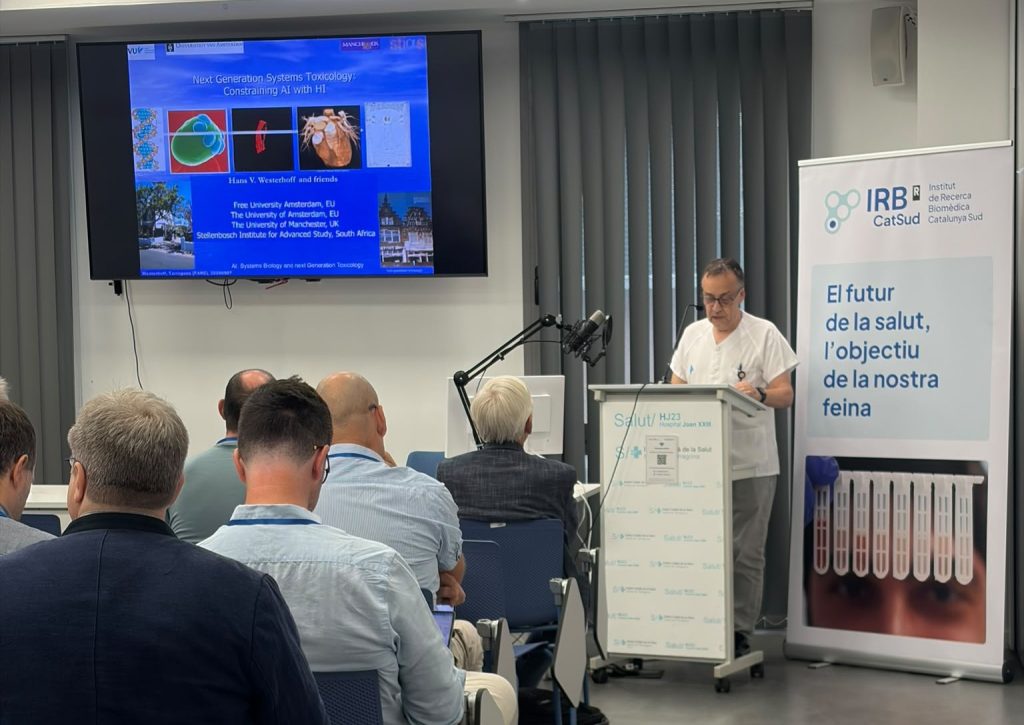
This week, Tarragona is the European headquarters for the protection of health and the environment against the risks caused by products of chemical origin. A hundred scientists, researchers and risk assessors from the European continent are meeting until this Thursday to mark the roadmap for the scientific regulation of the European Union in the field of chemical safety in the coming years. The Institute for Biomedical Research of Catalonia South (IRB CatSud) is leading this meeting with representatives of a total of 200 international organizations. The objective is to accelerate a paradigm shift through the use of artificial intelligence (AI) and cutting-edge technologies, in the assessment of the risks that chemical products pose to health and the environment. Through these new analytical approaches, the scientific community seeks to predict the impact of pollutants on health and the environment in a much faster, more precise, transparent and economically efficient way.
The meeting, which began on Monday, is led by IRB CatSud together with international scientific organizations from Germany (BfR), France (ANSES) and Greece (AUTH). The conference will feature the direct participation of the continent’s top regulatory authorities, including the European Food Safety Authority (EFSA), the European Chemicals Agency (ECHA) and the European Medicines Agency (EMA).
Throughout Monday and Tuesday, presentations and discussions focused on the impact of emerging technologies, with a special emphasis on the use of artificial intelligence language models for the automation of risk assessment. In parallel, specialists participated in an intensive hackathon to develop prototypes of next-generation analytical tools.
This Wednesday, the focus shifted to the annual meeting of the Working Group on Scientific Data Management (WP7), led by the VITO Institute (Belgium), the University of Birmingham (UK) and IRB CatSud, represented by Vikas Kumar and his team. Experts discussed guidelines to ensure that the vast amount of information generated in Europe is fully accessible and interoperable. This will lay the foundations for the future Centre for Chemical Risk Assessment, contributing to the creation of the European Union’s Common Data Platform on Chemicals.
This meeting is held within the framework of the Partnership for the Assessment of Risks from Chemicals (PARC), a €400 million European megaproject, co-financed by the European Union’s Horizon Europe framework program. PARC brings together more than 200 public and academic institutions from nearly 30 countries with the mission of promoting the European Commission’s Sustainability Strategy for Chemicals and advancing towards the zero pollution goal of the European Green Deal.
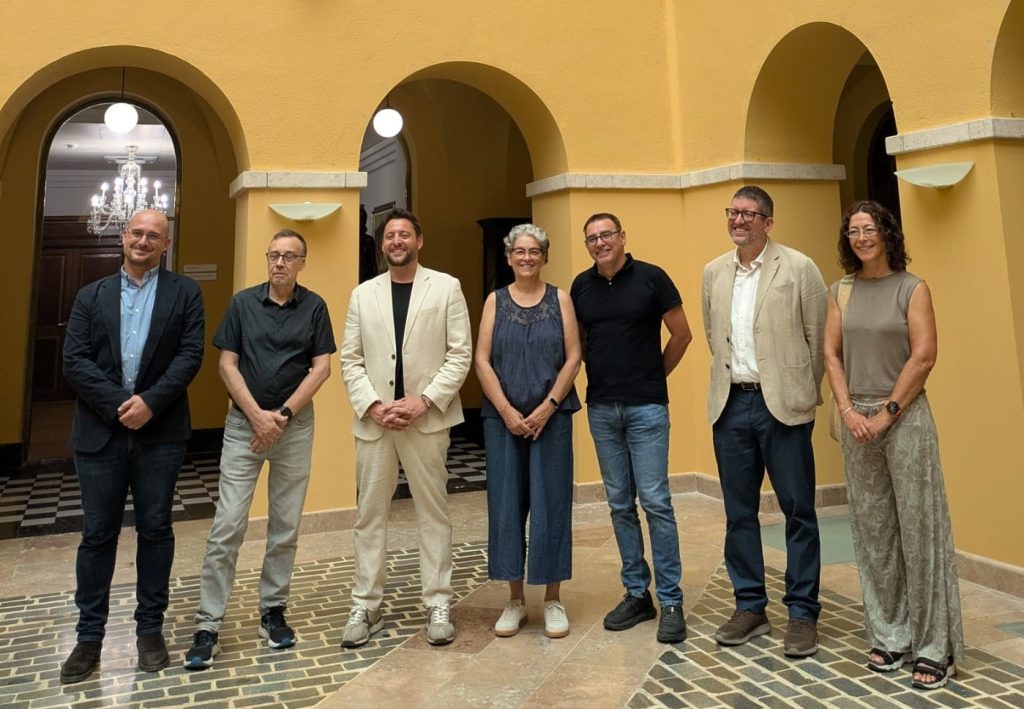
The Tarragona Provincial Council has presented, this Wednesday, September 9 at the Provincial Council Palace, the latest developments in a line of aid intended to support the work of the region’s research centers , which was launched for the first time last year with a total allocation of up to €600,000. The objective, as mentioned, is to continue strengthening the role of research centers as engines of development, innovation and knowledge transfer.
The first call for funding supported projects from seven research centers, including IRB CatSud, which received €100,000 – the maximum awarded per center – to finance the Health and Sustainability Innovation Network – XISS project, which gave life to the creation of the Clinical Research Unit (UIC), which must allow access to clinical trials in all phases for the citizens of Camp de Tarragona and Terres de l’Ebre.
As noted by the Provincial Council, the corporation maintains this line of aid this year, thus consolidating a specific line of support for research. As explained by the first vice-president and deputy delegate for European Projects and Knowledge Region, Rubén Viñuales, this first experience “has allowed us to verify the strength and diversity of the research system in the regions of Tarragona, with projects linked to areas such as health, sustainability, chemistry, agri-food, biotechnology, heritage or wine innovation”.
With the support of the Provincial Council of Tarragona.

The Institut Pere Mata University Hospital and IRB CatSud are organizing, on December 3 , the 1st Research and Innovation Conference for Residents , a meeting aimed at residents ( MIR, IIR, PIR, FIR, BIR, RFIR and QIR ) from the different teaching units in the province of Tarragona. The objective of the conference is to create a common space to share research projects, foster collaborations and promote interest in research and innovation among professionals in training.
Research is a fundamental pillar for the progress of knowledge and for the continuous improvement of healthcare practice. For this reason, this conference aims to become a space for the exchange of experiences, ideas and initiatives that allows to give visibility to the research activity developed by residents, as well as to favor the creation of synergies between specialties, centers and disciplines.
Collaboration, scientific curiosity and innovation are essential elements to face the present and future challenges of our health system and this is what will be evident at the conference. With this initiative, the organization wants to promote a more connected, active and committed research community.
This event aims to consolidate itself as a regular meeting point between residents and the organizing team’s desire is for it to become a reference space in the territory, capable of showcasing the talent, effort and commitment of professionals in training.
This first edition is conceived as the beginning of a collective project with a vocation for continuity, with the aim of contributing to strengthening the research community of the territory.
At this link you can view the program and register, either to attend the event or to present a paper.