




Studying the effects of a physical exercise programme on people with schizophrenia or autism spectrum disorder has been the main objective of the VITACTIVA’T project, promoted by the Institut Pere Mata University Hospital (HUIPM) and the Institut de Recerca Biomèdica Catalunya Sud (IRB CatSud), in collaboration with Rovira i Virgili University (URV). The project results were presented this Thursday.
The findings were shared during an event held at Reus Deportiu, the venue where the VITACTIVA’T sports sessions took place. The event brought together more than twenty participants, family members and mental health professionals.
Regarding the study results, the research team explained that regular physical exercise can help improve several health indicators in this population. Some of the main findings include:
A significant improvement in cognitive performance, with positive progress in areas such as attention, memory, learning, reasoning and processing speed.
A significant improvement in physical fitness, particularly in aerobic capacity and muscle strength in both the upper and lower limbs.
An increase in the number of mitochondrial DNA copies, a biomarker linked to the cells’ ability to produce energy.
A significant improvement in psychosocial functioning, meaning a greater ability to manage everyday activities and social interactions.
The research team also found that participants consume a high proportion of ultra-processed foods. “This habit is associated with poorer metabolic health indicators and less favourable psychosocial factors, which reinforces the need to work on reducing its consumption in this population,” explains Bernat Ballvé, nutritionist and researcher in the project.
Overall, these results confirm the role of physical exercise, together with nutrition and other lifestyle factors, as a complementary tool with the potential to improve the physical and mental health of people with severe mental disorders. This has encouraged the team to continue this line of research through the launch of VITACTIVA’T 2.
A new phase focused on physical exercise
During the event, the team also presented the new edition of the project, VITACTIVA’T 2, which will begin a new exercise programme next October. This new phase will focus exclusively on physical activity and will be aimed at people with schizophrenia or other psychotic disorders.
Alba Valiente, psychiatrist and researcher involved in the project, explained that “the physical exercise programme will now last six months and will include three sessions per week, increasing both the duration of the intervention and the frequency of the sessions to meet the recommendations of the World Health Organization.”
Regarding the expected outcomes, Lourdes Martorell, principal investigator of the project, said: “The researchers involved believe that this more intensive exercise programme will provide new evidence of its role as a complementary therapy to standard treatment for people with schizophrenia or other psychotic disorders. The study will examine cognition, quality of life and several biomarkers. The project will also seek to identify specific genetic, clinical and metabolic factors that can help provide personalised recommendations.”
The event marked the end of the first edition of the project in a positive atmosphere of reunion and enthusiasm. The research team expressed their gratitude for the trust and commitment shown by all participants, as well as by their families and the professionals who helped make this initiative possible.
The team also expressed optimism about VITACTIVA’T 2 and highlighted their commitment to continuing to generate scientific evidence that supports physical exercise as a complementary strategy to improve the health, well-being and quality of life of people living with severe mental disorders.
IRB CatSud takes part in the European project Biomarkid, which studies biological markers in the body to improve nutrition assessment in children
Knowing exactly what children eat is still a challenge for doctors and researchers. Until now, diet assessment has mainly been based on questionnaires that depend on the memory and opinion of families, which can be subjective.
In this context, the Biomedical Research Institute CatSud (IRB CatSud, formerly IISPV) has an active role in a research line that uses metabolomics as an objective tool to study eating habits in early life: the Biomarkid project. This project studies metabolites, which are small compounds found in blood or urine, and can show what people really eat.
The study, with researchers from IRB CatSud and the Universitat Rovira i Virgili (URV), reviews the scientific evidence about the link between diet and metabolite profiles in children and adolescents. It includes data from around 6,000 participants from 12 countries and shows the potential of these compounds to identify dietary patterns.
The results show that some metabolites are linked to specific foods. For example, hippurate and proline betaine increase with fruit and vegetable intake and with better adherence to the Mediterranean diet. Lower levels of these compounds may indicate a diet with more ultra-processed foods. Other important results include DHA, linked to fish consumption, and amino acids related to diet quality.
These findings suggest that it is possible to obtain a “metabolic fingerprint” of diet, which could help improve diagnosis and nutritional follow-up in children.
Although more research is still needed, especially in children, metabolomics is a promising tool to improve nutrition assessment. It can help to better understand eating habits and how the body reacts to different diets.
New evidence highlights the importance of diet in adolescent brain health, a key life stage in which cognition is influenced not only by nutritional factors but also by lifestyle habits and psychological wellbeing. Two studies conducted by the Southern Catalonia Biomedical Research Institute – IRBCatSud (formerly IISPV), in collaboration with the Barcelona Institute for Global Health (ISGlobal) —a centre supported by the “la Caixa” Foundation— and published in the journal Nutrients, explore how the Mediterranean diet and blood fatty acids are associated with different cognitive functions in adolescents from Catalonia. Nearly 630 young people took part in both studies.
The study The Association Between the Mediterranean Diet and Fatty Acids in Red Blood Cells of Spanish Adolescents examines the relationship between adherence to the Mediterranean diet -based on fruit, vegetables, legumes, olive oil, nuts and fish- and the types of fats found in adolescents’ blood, which are an objective indicator of dietary habits. The results show that following this diet helps the body absorb essential nutrients needed for balance and proper brain function. From a biological perspective, because the diet is rich in omega‑3 fatty acids, it contributes to neuronal balance and helps prevent oxidative damage. According to the NeuroÈpia research group at IRB CatSud, this type of diet may support a healthier fat composition from early stages of life.
Omega‑3 linked to better cognitive function
A second study, entitled Red Blood Cell Fatty Acid Patterns and Cognitive Functions in Adolescents, focuses on the relationship between blood fats and different cognitive abilities, such as reasoning, memory and decision‑making. The results show that adolescents with higher omega‑3 levels achieve better results in reasoning tasks and in some aspects of decision‑making. These abilities, which develop rapidly during adolescence, are essential for cognitive functioning and can be influenced by both biological factors and lifestyle. The findings support the idea that omega‑3 fatty acids -mainly found in oily fish, nuts and some vegetable oils- may play an important role in cognitive development during this stage of life.
Emotional wellbeing, lifestyle and cognitive function
Beyond nutrition, brain development during adolescence is also influenced by psychological wellbeing and lifestyle habits. A third IRB CatSud‑ISGlobal study published in Frontiers in Psychology –Exploring the interplay of neuropsychological functions, psychological wellbeing, and lifestyle through principal component analysis: a comprehensive study– reports that lower emotional wellbeing and alcohol or tobacco use are associated with more ADHD symptoms, while physical activity is positively linked to executive functions related to decision‑making and emotional regulation. This study included a sample of 523 adolescents from Catalonia.
According to the study author, Nicolas Ayala‑Aldana, and the principal investigator of the NeuroÈpia group, Jordi Julvez, these findings highlight the importance of promoting healthy dietary habits and lifestyles during adolescence in order to support cognitive development. Although these are observational studies, the results provide useful evidence for designing health promotion strategies that combine nutrition with other key lifestyle factors.
References
Ayala-Aldana N, Pinar-Martí A, Ruiz-Rivera M, Lázaro I, Sala-Vila A, Healy DR, Contreras-Rodriguez O, Casanova J, Sola-Valls N, Vrijheid M, Julvez J. Red Blood Cell Fatty Acid Patterns and Cognitive Functions in Adolescents: A Pooled Analyses with Two Cohort Study Data Sets. Nutrients. 2025 Nov 5;17(21):3483. doi: 10.3390/nu17213483. PMID: 41228554; PMCID: PMC12609364.
Ayala-Aldana N, Lafuente D, Lázaro I, Pinar-Martí A, Manidis A, Bernardo-Castro S, Fernandez-Barres S, Healy DR, Vrijheid M, Contreras-Rodríguez O, Sala-Vila A, Julvez J. The Association Between the Mediterranean Diet and Fatty Acids in Red Blood Cells of Spanish Adolescents. Nutrients. 2025 Sep 6;17(17):2888. doi: 10.3390/nu17172888. PMID: 40944276; PMCID: PMC12430225.
Ayala-Aldana, N., Ruiz-Rivera, M., Pinar-Martí, A., López-Vicente, M., Contreras-Rodríguez, O., & Julvez, J. (2025). Exploring the interplay of neuropsychological functions, psychological wellbeing, and lifestyle through principal component analysis: a comprehensive study. Frontiers in psychology, 16, 1692251. doi: 10.3389/fpsyg.2025.1692251. PMID: 41488935; PMCID: PMC12756113.
A new study reveals relevant muscular and metabolic alterations in patients with long COVID
A research team from the Research Group on Autoimmunity, Infection and Thrombosis (GRAIÏT) at the Southern Catalonia Biomedical Research Institute (formerly IISPV), from at the same time of the Internal Medicine and Clinical Physiology and Functional Evaluation services at the Sant Joan University Hospital in Reus, part of the has presented new evidence confirming the deep and lasting impact of SARS‑CoV‑2 infection on the muscular and metabolic systems of individuals affected by Post‑COVID‑19 Condition (long COVID). The results of the study “Assessment of Physical Status and Analysis of Lipidomic and Metabolomic Alterations in Patients with Post‑COVID‑19 Condition” highlight the need to promote specific rehabilitation and physical reconditioning programs to improve patient recovery, and have been published in the scientific journal PLOS ONE this March.
The study reveals significant peripheral muscle involvement related to the infection. This alteration leads to a marked loss of physical performance, one of the most frequent and disabling symptoms of the condition. The researchers emphasize that patients may benefit from personalized rehabilitation protocols to regain strength, endurance, and functionality.
Additionally, through the analysis of body metabolism using metabolomic and lipidomic techniques, they detected changes that may explain some of the patients’ symptoms:
According to the study’s authors, these findings reinforce the idea that Post‑COVID‑19 Condition is a multisystemic disorder requiring an integrated approach combining physical rehabilitation, metabolic monitoring, and personalized interventions.
The researchers note that the results open the door to developing more specific therapeutic strategies and to better guiding care pathways for patients with long COVID.
A study of 746 older people followed for six years identifies a “microbial signature” associated with this dietary pattern and more favourable cognitive ageing
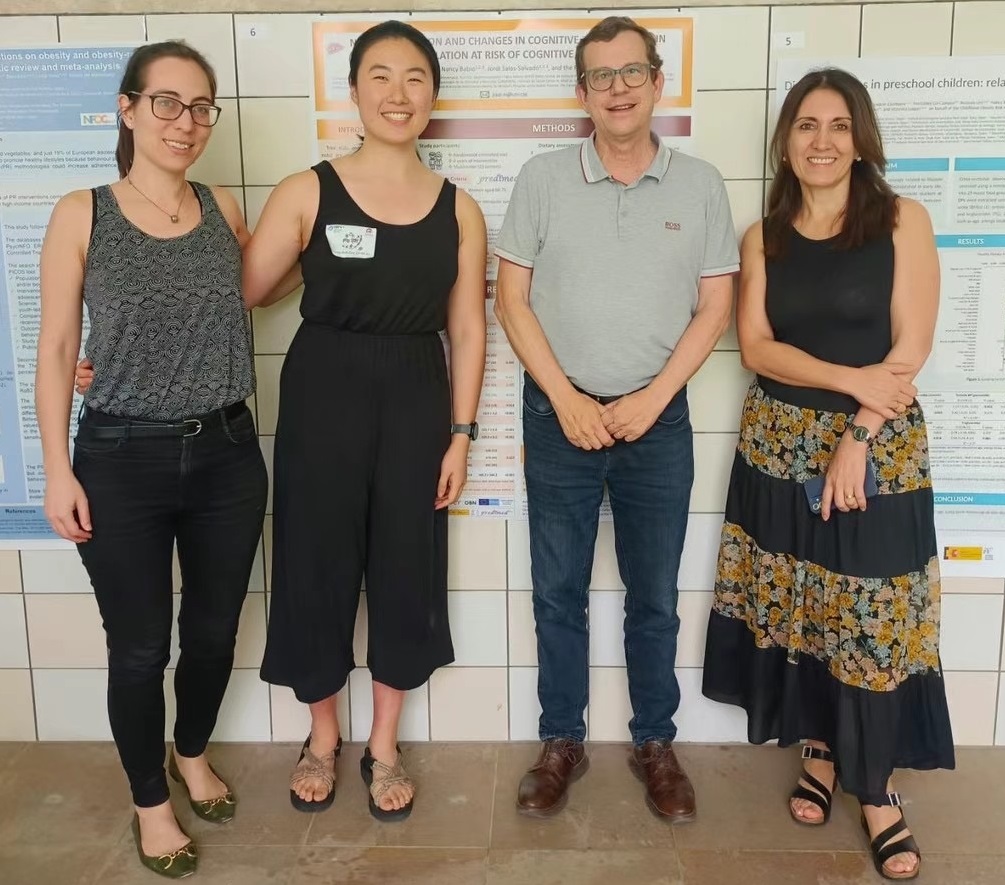
Following a Mediterranean diet not only benefits the heart and metabolism, but could also help preserve cognitive function as ageing progresses. This is according to research led by the Rovira i Virgili University (URV), the IISPV and CIBERobn, which shows how this dietary pattern is associated with a healthier gut microbiota and slower cognitive decline in older adults with overweight or obesity and metabolic syndrome.
The study, published in the journal BMC Medicine, analysed data from 746 older adults at high cardiometabolic risk, who were followed for six years. The research team assessed adherence to the Mediterranean diet, the composition of the gut microbiota and the progression of cognitive function over time. The results indicate that those who most faithfully followed this dietary pattern had a more favourable gut microbiota and a more positive cognitive trajectory.
One of the most innovative aspects of the work is the identification of a “microbial fingerprint” characteristic of the Mediterranean diet. This new biomarker, based on the presence and abundance of certain gut bacteria associated with this type of diet, is also linked to slower cognitive decline. According to the authors, this finding provides new clues about the biological mechanisms that explain the benefits of the Mediterranean diet on the brain.
Eix intestí-cervell
Cognitive function includes abilities such as memory, attention, learning, language and decision-making, which are essential for maintaining autonomy in everyday life. In parallel, the gut microbiota is composed of trillions of bacteria that are involved in key processes such as digestion, immunity and the production of substances that influence the body’s functioning. In recent years, research has revealed the existence of the so-called gut-brain axis, a bidirectional communication system through which intestinal microorganisms can produce compounds that reach the brain and affect its functioning.
“Aquest estudi demostra que la microbiota intestinal és una peça clau en els beneficis cognitius de la dieta mediterrània”, explica Jiaqi Ni, primera autora del treball i investigadora predoctoral de la URV. “Els nostres resultats suggereixen que alguns bacteris intestinals associats a una major adherència a aquest patró alimentari podrien protegir davant del deteriorament cognitiu”.
En la mateixa línia, el catedràtic de la URV Jordi Salas-Salvadó, director de l’estudi, destaca que “identificar una empremta microbiana associada a la dieta mediterrània obre noves oportunitats per dissenyar intervencions nutricionals o microbianes orientades a promoure un envelliment cognitiu saludable”. De la seva banda, les investigadores del Departament de Bioquímica i Biotecnologia de la URV Nancy Babio i Stephanie K. Nishi subratllen la rellevància dels resultats en un context d’envelliment poblacional i augment de la prevalença de la demència, i apunten que millorar la qualitat de la dieta és una estratègia senzilla i accessible amb beneficis reals per a la salut cerebral.
El treball ha estat liderat per la investigadora predoctoral Jiaqi Ni i dirigit per Jordi Salas-Salvadó, Nancy Babio i Stephanie K. Nishi, membres de la Unitat de Nutrició Humana del Departament de Bioquímica i Biotecnologia de la URV, amb la col·laboració d’investigadors del consorci PREDIMED-Plus. L’estudi s’emmarca en una recerca multicèntrica que contribueix a aprofundir en la relació entre alimentació, microbiota intestinal i salut cerebral al llarg de l’envelliment.
Referència bibliogràfica: Ni J, Hernández-Cacho A, Nishi SK, Babio N, Belzer C, Konstati P, Vioque J, Corella D, Castañer O, Vidal J, Moreno-Indias I, Torres-Collado L, Coltell O, Fitó M, Ruiz-Canela M, Wang DD, Tinahones FJ, Salas-Salvadó J. Mediterranean diet, gut microbiota, and cognitive decline in older adults with obesity/overweight and metabolic syndrome: a prospective cohort study. BMC Med. 2025 Dec 1;23(1):669. doi: 10.1186/s12916-025-04488-y.
• The IUNS ACTIVATOR project will analyse the gaps in nutrition research in Asia and how these gaps affect health policies
• The initiative aims to give a stronger voice to the Asian continent in scientific literature and to prepare it to face current nutritional challenges

A project led by the Institut de Recerca Biomèdica Catalunya Sud (Southern Catalonia Biomedical Research Institute – IRB CatSud, formerly IISPV) and Universitat Rovira i Virgili (URV) will assess the current situation of nutrition research in Asia, identifying the main gaps and needs in this field. This work is supported by a 5,000 dollar grant from the International Union of Nutritional Sciences (IUNS).
With this funding, the IUNS ACTIVATOR team will work over the next four years to evaluate nutrition research, reflect on how it matches regional priorities, and explore its impact on public health policies. The project will also focus on encouraging efforts to produce relevant scientific evidence at regional level, aiming to improve people’s health through mentoring and the involvement of key stakeholders.
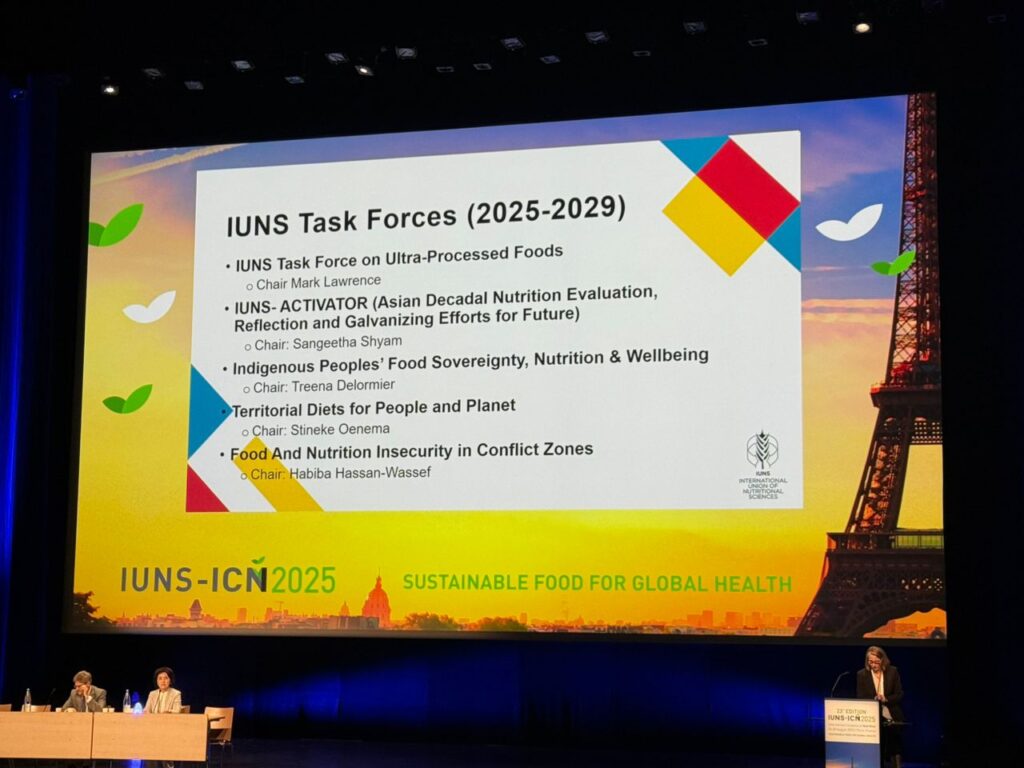
“Carrying out this study is important because Asian countries are still underrepresented in global scientific literature. It is essential to identify their needs in the field of nutrition to understand whether research in Asia is ready to face its specific challenges, especially during a nutritional transition and the growing burden of non communicable diseases,” says Sangeetha Shyam, IISPV URV researcher, involved in the IUNS ACTIVATOR project: ‘Asian Decadal Nutrition Assessment, Reflection and Activation of Efforts for the Future’.
The project team includes 26 researchers from 13 countries in Asia and Europe, with expertise in nutrition, meta research and scientific communication. Another goal of the study is to involve young researchers to ensure the relevance and long term sustainability of the proposed solutions.
For people who smoke 20 or more cigarettes a day, the risk doubles. These are the findings of a study led by the Human Nutrition Unit at URV.
Smoking significantly increases the risk of developing type 2 diabetes. However, drinking alcohol—even in small amounts—does not offer any protection against this disease, despite what some previous studies suggested. This has been confirmed by a new international study led by Indira Paz-Graniel, a researcher at the Human Nutrition Unit of Universitat Rovira i Virgili (URV), in collaboration with the Nutritional Epidemiology Research team from Université Sorbonne Paris Nord (France).
The research studied the combined effects of tobacco and alcohol on the development of type 2 diabetes, a topic that had not been explored much until now. The goal was to find out whether both habits, beyond their individual impact, could have a combined effect on the risk of getting the disease.
To do this, data from more than 110,000 participants in the NutriNet-Santé cohort—one of the largest public health studies in Europe—were used. Over an average follow-up of 7.5 years, 1,175 new cases of type 2 diabetes were diagnosed.
The results show that people who smoke or have smoked at some point have a 25% higher risk of developing type 2 diabetes compared to those who have never smoked. The risk is especially high for those who smoke 20 or more cigarettes a day, as they are twice as likely to develop the disease compared to light or moderate smokers.
The research team also found that low or moderate alcohol consumption was not linked to any protective effect against type 2 diabetes. These findings go against previous studies that suggested drinking one glass of wine a day—or the equivalent—could reduce the risk of developing the disease.
When the combined use of tobacco and alcohol was analyzed, no additional increase in risk was found. This suggests that, at least in the studied population, both habits do not act together to raise the risk of diabetes.
“We know that smoking is a clear risk factor, but we were surprised to see that alcohol alone did not change the risk of diabetes,” said Indira Paz-Graniel. However, she warned that the results should be interpreted with caution, since the NutriNet-Santé cohort is mostly made up of women with a high level of education and healthy lifestyles. “More studies in diverse populations are needed to better understand the interaction between alcohol and nicotine,” she added.
The study also included Professor Jordi Salas-Salvadó, director of the Human Nutrition Unit at URV, and Professor Nancy Babio. Both are members of CIBERobn and the Pere Virgili Health Research Institute (IISPV), along with the lead researcher.
The results were published in the American Journal of Preventive Medicine (August 2025) and presented at the International Congress of Nutrition organized by the International Union of Nutritional Sciences (IUNS), recently held in Paris.
Reference: Paz-Graniel I, Kose J, Duquenne P, et al. Alcohol, smoking and their synergy as risk factors for incident Type 2 Diabetes. American Journal of Preventive Medicine. 2025 Jul 31:108011. doi:10.1016/j.amepre.2025.108011
Seven researchers spoke about studies in health, energy and the environment, and their impact on everyday life. This Friday afternoon and Saturday morning, a science workshop fair will take place at Corsini Square in Tarragona, the main event of the Researchers’ Night
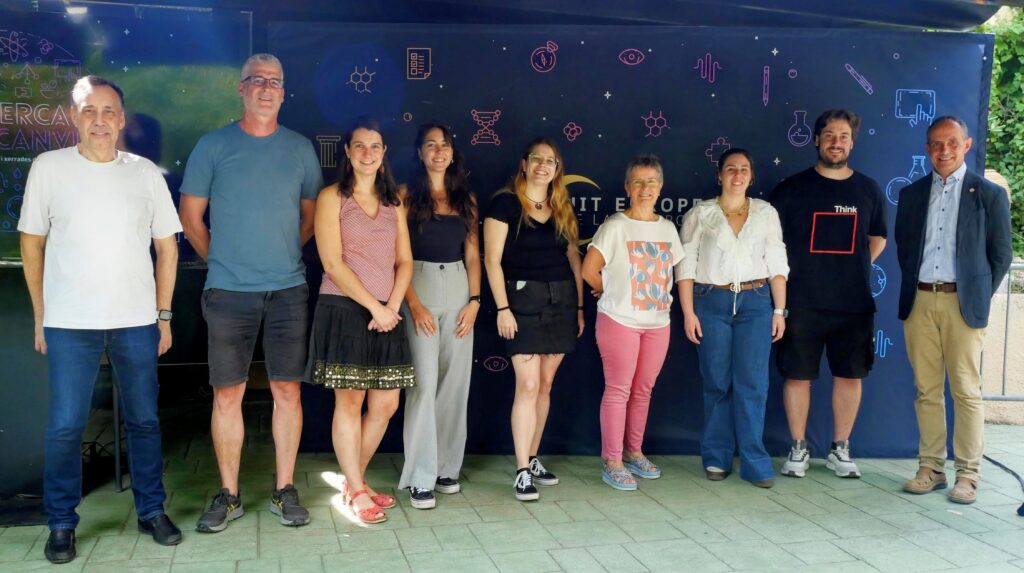
This Saturday, Racó de la Palma in Reus became a centre of scientific knowledge during the micro-talks “Research for Change”, a pre-event of the European Researchers’ Night attended by around eighty people. The event, organised by the Pere Virgili Health Research Institute (IISPV) with support from the Rovira i Virgili University (URV), brought together seven researchers from different local research centres who shared innovative advances in health, energy and environmental topics.
With a dynamic and informative format, each talk lasted ten minutes and explained, in a practical way, the results of scientific studies and how they affect people’s lives. For example, Cèlia Uroz, a researcher from URV, said that people ingest 20,000 microplastic particles per year, which is equal to one credit card per week, and spoke about their effects on the intestine. Marta Llorens, from the Catalan Institute of Chemical Research (ICIQ), explained how antibiotics work in the body and why it is important to take them carefully and follow the doctor’s instructions.
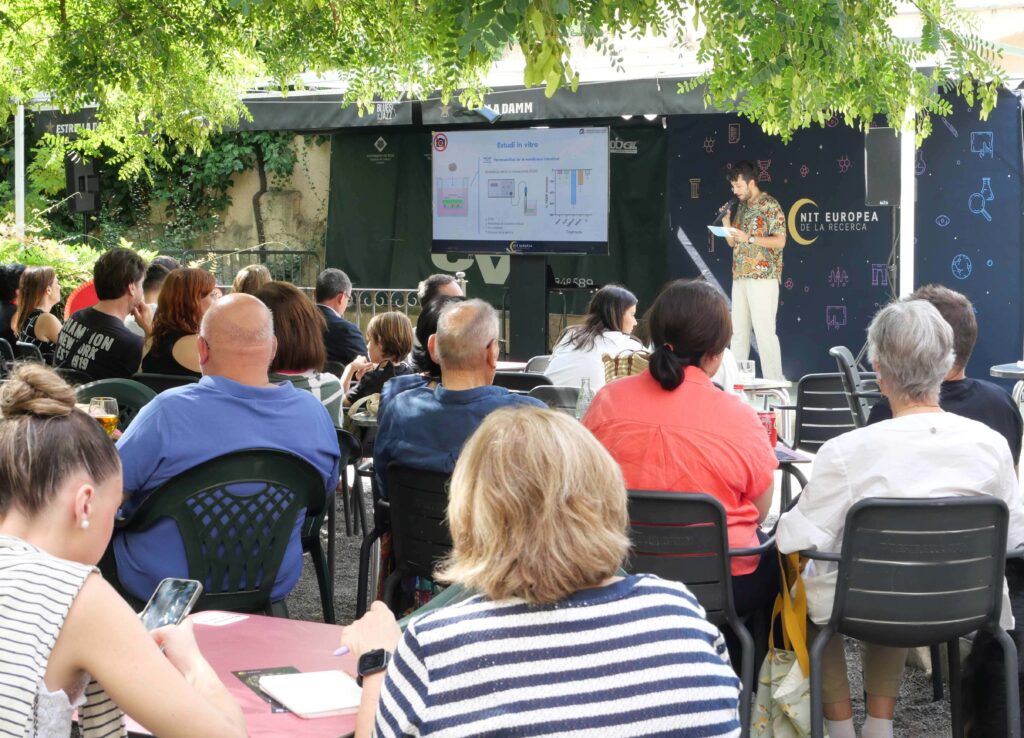
In the field of mental health, Elisabet Vilella, researcher at IISPV and the Pere Mata Institute, said that one in four people suffers from a mental health problem during their lifetime. She also talked about how mental health issues and psychiatric disorders can vary depending on age or gender.
The micro-talks highlighted the value of local research and its direct impact on daily life. There was also good interaction with the audience, who had the chance to ask questions to the researchers about the topics discussed.
The European Research Night events continue
These micro-talks were a prelude to European Research Night, an educational initiative centered around a science fair, which will take place on the afternoon of September 26 and the morning of September 27 in Tarragona’s Plaza Corsini, with the participation of more than 200 researchers from the URV and research institutes. Another preliminary activity is the family workshop “Much more than aesthetics,” on how obesity and diabetes affect the body, which will take place at the Viding Sant Jordi sports center in Tarragona.
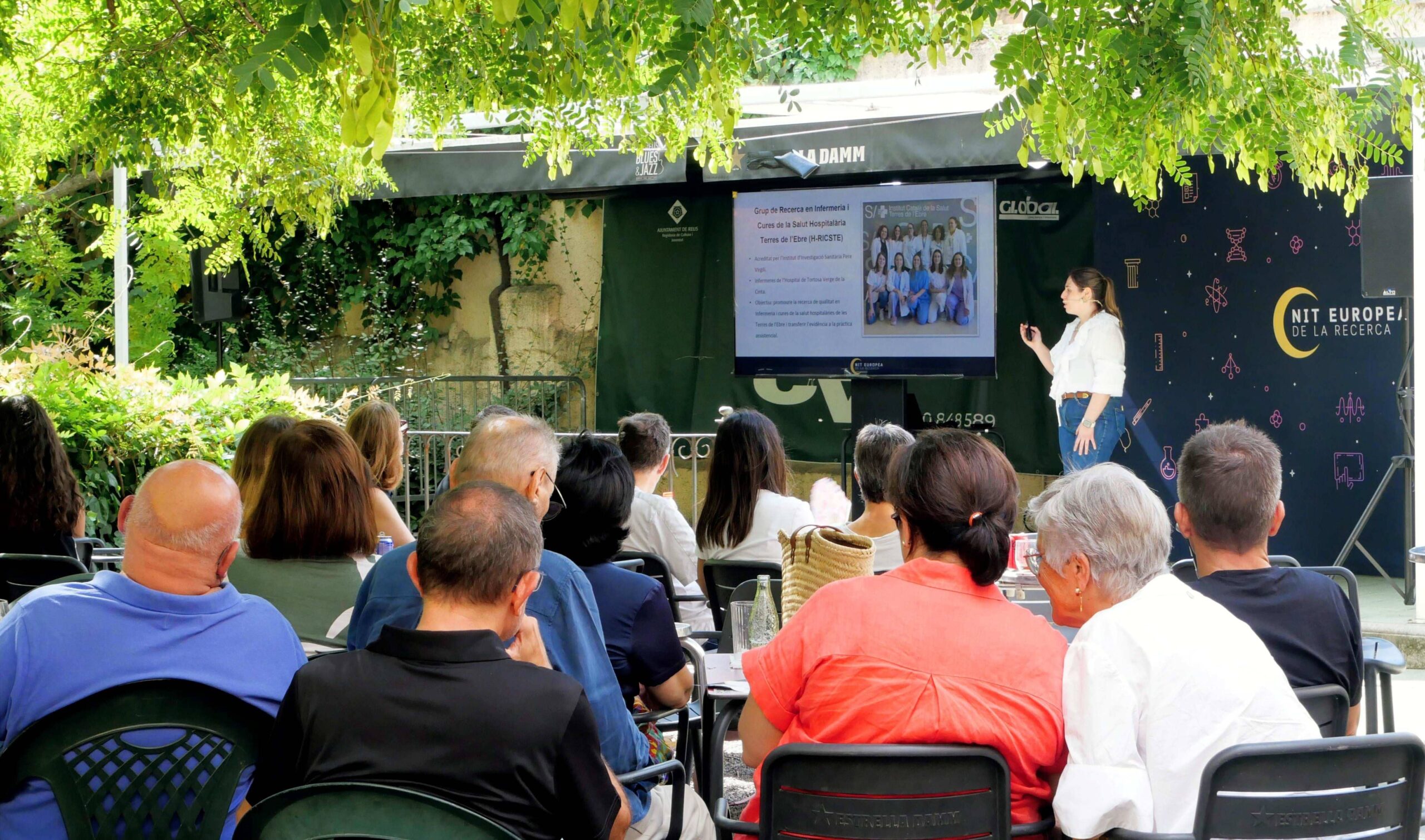
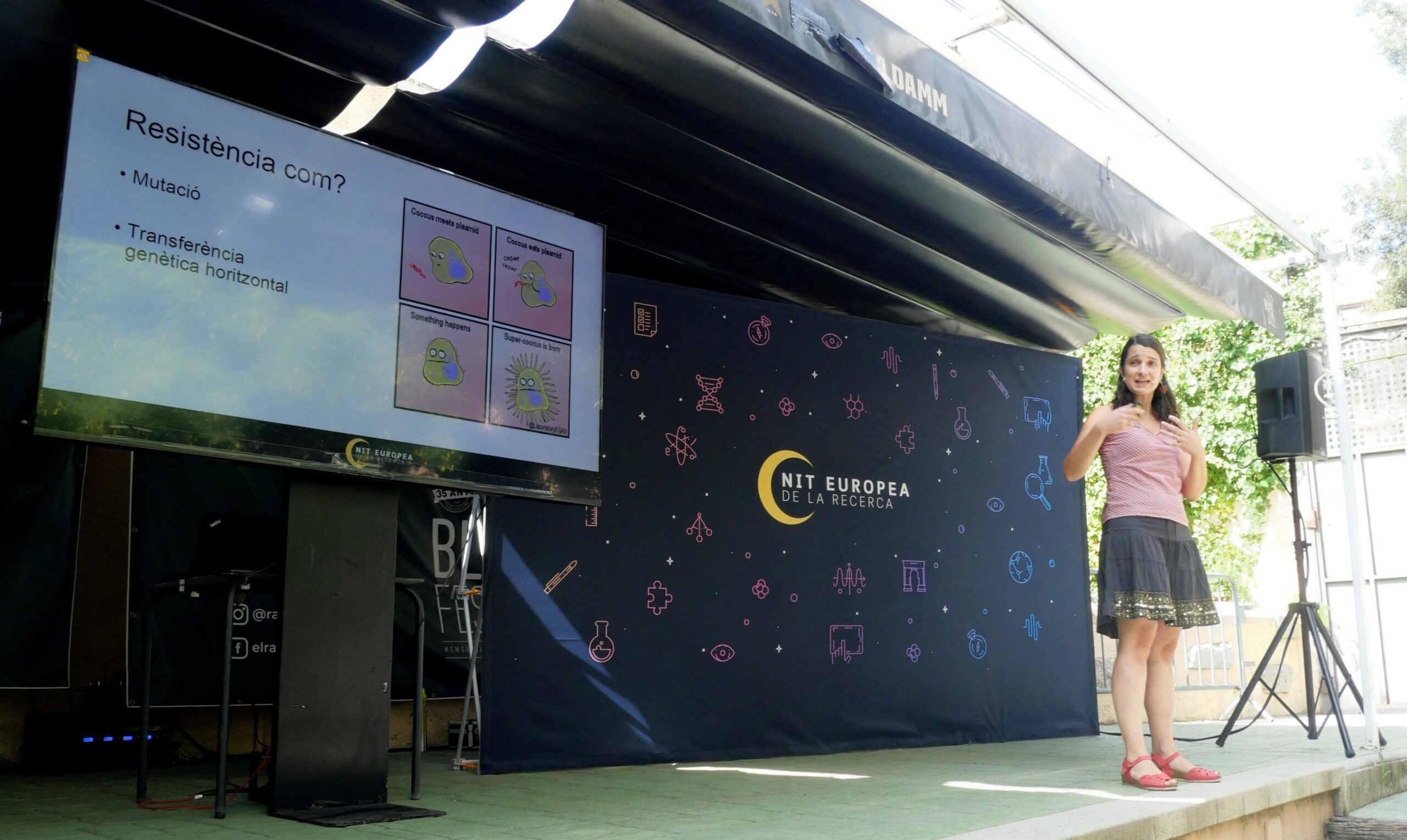
It will also visit secondary schools in the Tarragona area through informative talks and will return once again to Terres de l’Ebre with a science workshop fair to be held on October 3 in Tortosa’s Town Hall Square.
European Research Night is a major educational event held simultaneously in more than 300 European cities with the aim of bringing science closer to the public. In the Tarragona area, the URV has been coordinating the event since 2018, with a program that attracts thousands of people every year.
European Research Night is supported by the European Union’s Horizon Europe program and the collaboration of a consortium of Catalan universities and public institutions. The full program can be found at tarragona.nitdelarecerca.cat.
With a kick-off in Oslo, today marks the start of CancerWatch, a new EU Joint Action that will transform how Europe collects, harmonizes, and uses cancer data. Coordinated by the Norwegian Institute of Public Health and involving 92 partner organisations from 29 countries, CancerWatch will enhance the quality, comparability, and timeliness of data from population-based cancer registries (PBCRs) across Europe.
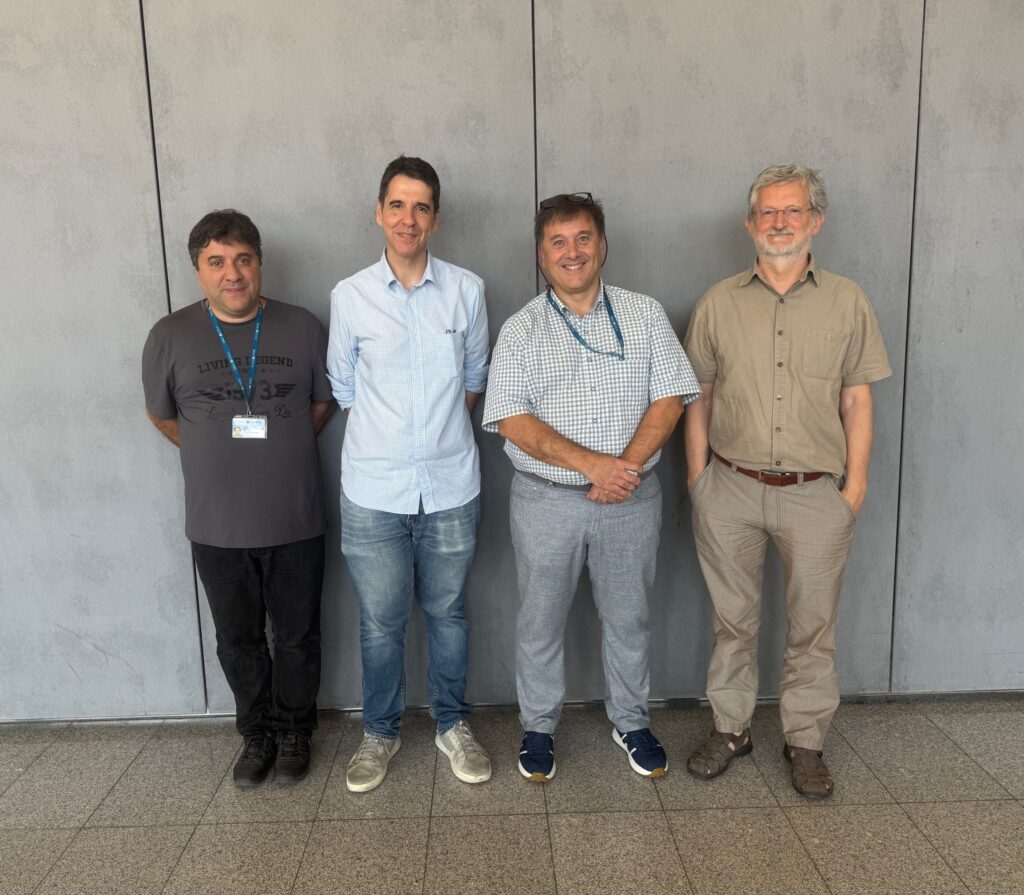
Accurate, complete, and up-to-date cancer data are essential for monitoring trends, identifying inequalities, and evaluating the impact of prevention, early detection, and treatment programmes, as well as Quality of Life and survival rates. CancerWatch will ensure that high-quality data are available to the European Cancer Information System (ECIS), which plays a central role in Europe’s Beating Cancer Plan and the European Cancer Inequalities Registry.
Why it matters
At present, cancer data across Europe vary in quality, coverage, and timeliness. Some regions lack full registry coverage, while others face delays of more than two years before data can be shared. CancerWatch will:
A pan-European effort
CancerWatch unites national cancer registries, public health institutes, research organisations, and ministries of health in a coordinated effort to strengthen Europe’s cancer intelligence. The Joint Action will deliver new tools, shared methodologies, and a roadmap for future cancer indicators, while also identifying opportunities to expand registry coverage into currently uncovered regions.
“By improving the quality and timeliness of Europe’s cancer data, CancerWatch will help ensure that policies and research are based on the best possible evidence – ultimately saving lives and enhancing quality of life for cancer survivors,” says Giske Ursin, Project Coordinator, Norwegian Institute of Public Health.
“Better data means better cancer control. With CancerWatch, we are building the foundations for more effective prevention, diagnosis, treatment, and equitable access to care across Europe,” adds Gijs Geleijnse, Scientific Coordinator, Norwegian Institute of Public Health.
Philippe Roux, Head of Unit for Cancer, health in all policies at the European Commission’s Directorate General for Health and Food Safety emphasizes the importance of CancerWatch. “The European Cancer Inequalities Registry (ECIR) is a vital policy instrument that helps EU Member States identify inequalities in cancer prevention, care, and outcomes, and the areas that can be improved. I strongly encourage all countries and stakeholders to use it. At its core, the ECIR relies on high-quality, population-based cancer data. Through the CancerWatch Joint Action, we will strengthen this foundation and deliver timely insights to reduce cancer inequalities across Europe.”
Background
Population-based cancer registries have been the backbone of cancer surveillance in Europe for decades, enabling countries to track incidence, mortality, and survival. However, differences in legal frameworks, interoperability, and resources mean that data completeness and timeliness vary widely. CancerWatch builds on the work of the European Network of Cancer Registries (ENCR), the Joint Research Centre (JRC), and international partners such as the International Agency for Research on Cancer (IARC), aligning efforts to deliver faster, more reliable insights.
About the project
For more information, visit: www.encr.eu/CancerWatch
The Clinical Research Unit (UIC) will allow clinical trials of medicines to be carried out on patients, from the most experimental phase to the final stage when their use is authorized
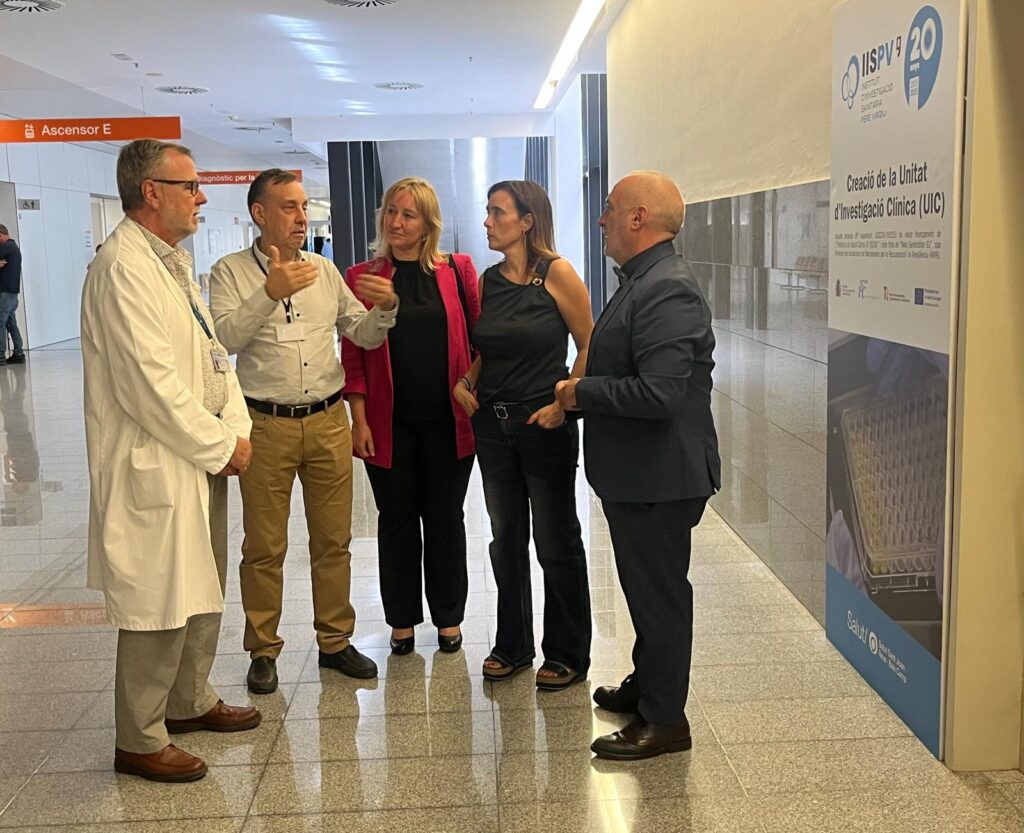
The Secretary of State for Science, Innovation and Universities, Juan Cruz Cigudosa, visited the facilities of the Pere Virgili Health Research Institute (IISPV), located in the Sant Joan University Hospital in Reus. The purpose of the visit was to learn about the development of the new Clinical Research Unit (UIC), a facility that will make it possible to carry out clinical trials with medicines on local patients in all phases—from phase 1, the most experimental, to phase 4, the final stage after which the medicine is approved for use. The CRU will occupy 500 m² and will be located inside the Sant Joan University Hospital in Reus. Its construction is supported by €4,300,000 in funding from the Carlos III Health Institute, the leading biomedical research organization under the Ministry of Science, Innovation and Universities.
During the visit, the Secretary of State was accompanied by the Government’s Deputy Representative in Tarragona, Elisabet Romero; the Mayor of Reus, Sandra Guaita; the City Councillor for Economic Promotion and Knowledge, Josep Baiges; the President of the IISPV Governing Board and Director of Health Services in Tarragona, Marta Milà; and other members of the IISPV Governing Board. Juan Cruz Cigudosa emphasized that this is an important project that will become a reference point for clinical research in southern Catalonia. He also highlighted the importance of giving hospitals across the region access to this kind of infrastructure. In addition, he pointed out that “this is one of the highest-rated projects in a national funding call worth €45 million. This new unit has received almost 10% of the total budget available in that call, which was open to projects from all over Spain.”
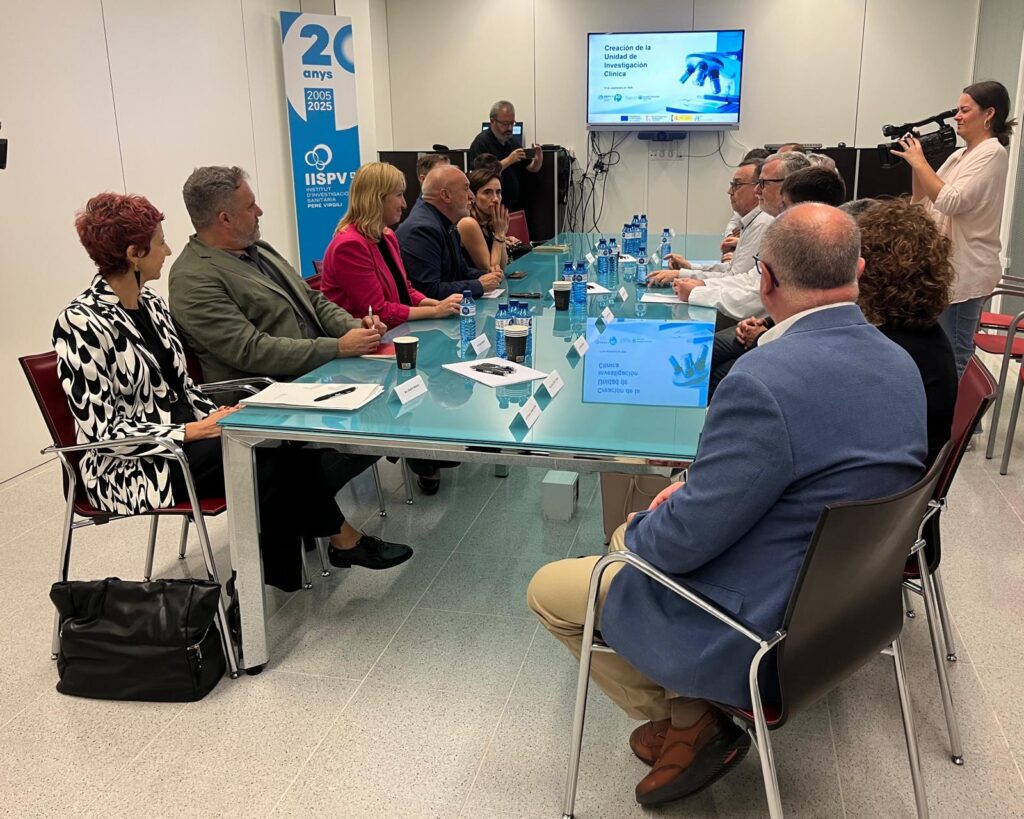
The Mayor of Reus, Sandra Guaita, added that “the amount of funding provided by the State shows that this is a strong project that will have a direct impact on citizens, as it will allow more equal access to medicines—something that used to happen only in large cities.” In the same vein, the Director of IISPV, Joan Vendrell, explained that “this Clinical Research Unit will serve the entire province and benefit 850,000 people, from university hospitals to regional hospitals in different health areas.” He also said: “We would even like pharmacies to help share information about the studies being carried out, so that people can learn about them and, if they wish, take part.”
Since the funding was announced in early 2025, the tendering process for the construction work has already started, and part of the necessary equipment has been ordered. In terms of staff, six people have already joined IISPV to work directly with the CRU: two data managers, one administrative staff member, one radiology technician, and two nurses. The unit is expected to be operational by the end of 2026.