
Cognitive decline is one of the main challenges associated with aging. Although it is part of the natural process of growing older, factors such as obesity, metabolic syndrome or cardiovascular diseases can accelerate the loss of functions such as memory, attention or the ability to plan and make decisions. There is growing evidence that diet can help preserve brain health. A new study led by researchers from the Universitat Rovira i Virgili (URV), the Institut de Recerca Biomèdica Catalunya Sud (IRB CatSud) and the Centro de Investigación Biomédica en Red de Fisiopatología de la Obesidad y la Nutrición (CIBEROBN) has observed that a higher intake of choline and betaine is associated with a more favourable evolution of some cognitive functions in older adults with overweight or obesity and metabolic syndrome.
The study, published in The American Journal of Clinical Nutrition, was carried out using data from 6,610 participants in the PREDIMED-Plus project, one of the largest clinical trials in Europe on diet and lifestyle. The research team assessed the dietary habits and cognitive function of men and women aged between 55 and 75 over a two-year period.
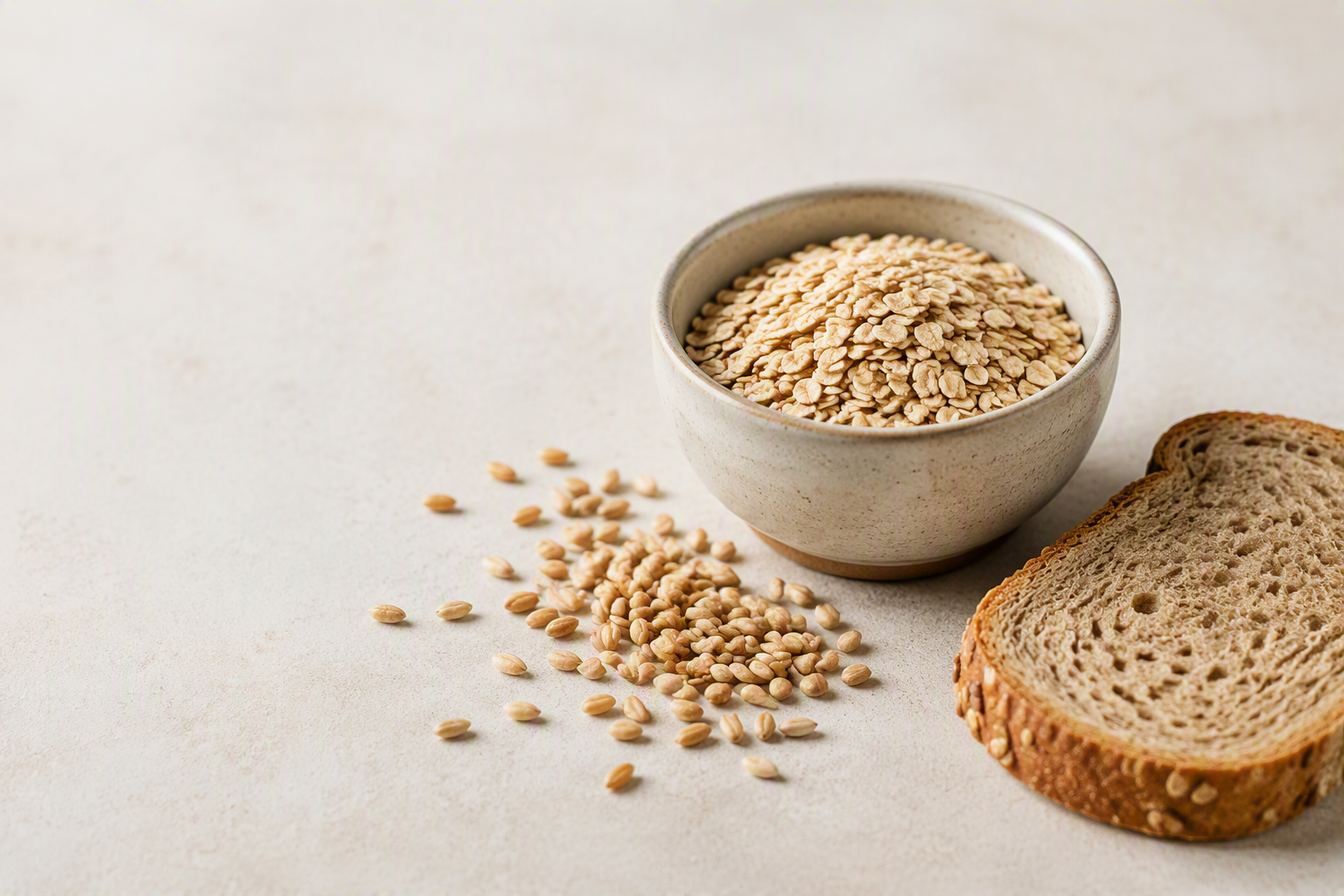
The research focused on two nutrients naturally present in various foods: choline and betaine. Choline is an essential nutrient involved in the formation of cell membranes and in the production of acetylcholine, a neurotransmitter that is fundamental for processes such as memory and learning. It is found mainly in eggs, fish, lean meats and dairy products. Betaine, which is derived from choline, takes part in different metabolic and cell-protection processes and is especially abundant in whole grains, spinach, beetroot and some types of seafood.
Better evolution of attention, language and executive function
The results show that individuals with a higher intake of choline experienced a more favourable evolution of attention and language throughout the two years of follow-up. In parallel, a higher intake of betaine was associated with a better evolution of executive function, the set of abilities that allows planning, problem-solving and decision-making, as well as language. The associations were especially evident among participants with the highest intakes of these nutrients.
“Our results suggest that nutrients present in commonly consumed foods may help preserve certain cognitive functions during aging,” explain Héctor Vázquez-Lorente and José María Manzanares-Errazu, first authors of the study and researchers at the Department of Biochemistry and Biotechnology of the URV.
For Jordi Salas-Salvadó, principal investigator of the PREDIMED-Plus project and Professor of Nutrition at the URV, this work reinforces the importance of diet beyond cardiovascular health: “There is increasing evidence that diet also influences brain health. Our results indicate that nutrients such as choline and betaine could contribute to maintaining certain cognitive functions during aging.”
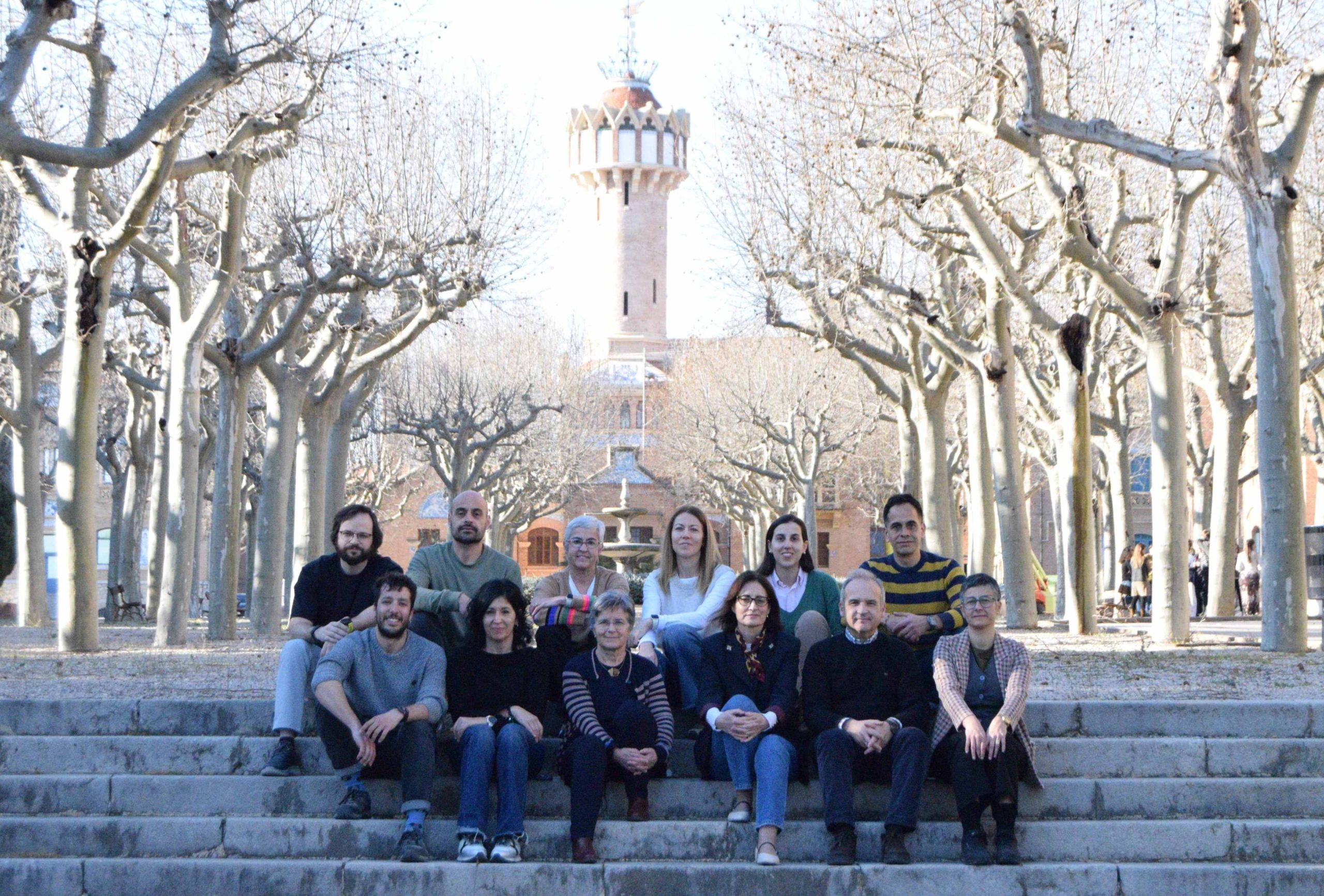
The researchers believe that promoting dietary patterns rich in foods that provide choline and betaine could form part of future nutritional strategies aimed at preserving cognitive health during aging. However, they stress that studies with a longer follow-up period will be needed to confirm these benefits and determine to what extent they may help prevent cognitive decline and dementia in the long term. The study was led by Héctor Vázquez-Lorente and José María Manzanares-Errazu as first authors, and by Lidia Daimiel and Jordi Salas-Salvadó as senior authors. Researchers from numerous Spanish institutions within the CIBER-PREDIMED-Plus consortium also took part.
Reference
Vázquez-Lorente H, Manzanares-Errazu JM, Babio N, Ruiz-Canela M, Corella D, Hernando J, et al. Dietary Choline and Betaine Intake and 2-year Changes in Cognitive Function in Older Adults With Overweight or Obesity and Metabolic Syndrome: A Prospective Cohort Analysis. Am J Clin Nutr. 2026 May;123(5):101265. doi: 10.1016/j.ajcnut.2026.101265. Epub 2026 Mar 11. PMID: 41825530; PMCID: PMC13197923.
 Facebook
  Mail
Mail  WhatsApp