




Borderline Personality Disorder (BPD) affects around 2% of the population in Western countries. It usually begins during adolescence and is diagnosed about three times more often in women than in men. The disorder is characterised by persistent instability in emotions, relationships and self-image, and is often linked to self-harming behaviours and a high risk of suicide. Despite its severity, there is currently no medication specifically approved to treat BPD, and its biological basis remains poorly understood.
Now, an international research consortium, with the participation of Hospital Universitari Institut Pere Mata (HUIPM) and the Institut de Recerca Biomèdica Catalunya Sud (IRB CatSud), has identified for the first time regions of the genome that are consistently associated with the disorder. Published in Nature Genetics, the study is the largest genetic analysis of BPD carried out to date and the first study of its kind on a personality disorder to produce conclusive results.
The research combined data from 27 clinical studies, biobanks and population cohorts from 14 countries. The project was coordinated by the Central Institute of Mental Health in Mannheim, Germany, within the framework of the Psychiatric Genomics Consortium. The Genetics and Environment in Psychiatry (GAP) research group, a joint initiative of HUIPM, IRB CatSud, Universitat Rovira i Virgili (URV) and CIBERSAM, contributed one of the two independent cohorts used to confirm the results obtained in the main analysis. Other CIBERSAM groups also took part, including teams from Hospital de la Santa Creu i Sant Pau and Hospital Universitari Vall d’Hebron.
The study identified a total of 11 regions of the genome and nine genes that may contribute to the development of the disorder. It also estimates that the common genetic variants analysed account for around 17% of susceptibility to BPD. These findings confirm that the disorder has a polygenic architecture, meaning that it results from the combined effect of many genetic variants, each with a small impact, similar to what has been observed in schizophrenia, depression and bipolar disorder.
The analysis also shows that the genetic risk linked to BPD overlaps considerably with that of other mental health conditions, particularly post-traumatic stress disorder, depression and attention-deficit/hyperactivity disorder (ADHD). Similar links were found with antisocial behaviour and measures related to suicide and self-harm. In addition, the study identified connections with physical health conditions such as chronic obstructive pulmonary disease (COPD), type 2 diabetes, obesity and hypertension. This finding is particularly important because a significant part of the reduced life expectancy observed in people with BPD is related to physical health problems. It also highlights the need for healthcare approaches that consider the individual’s overall health.
According to Elisabet Vilella, head of the Genetics and Environment in Psychiatry (GAP) research group, “these results show that BPD has a biological basis comparable to that of other severe mental disorders. This evidence should help reduce the stigma that still affects people living with the disorder and their families.”
The authors compare these findings to the early genetic studies of schizophrenia conducted around fifteen years ago, which initially identified only a few genomic regions before larger international collaborations and expanded sample sizes led to many more discoveries. They also point out two important limitations. First, all the samples analysed were of European ancestry, highlighting the need to extend research to more diverse populations. Second, the genetic risk scores derived from the study are research tools and cannot be used to predict an individual’s risk or to make clinical diagnoses. The data have been made available to the scientific community to support future studies and, in the long term, contribute to the development of new treatments.
Article reference
Streit, F., Awasthi, S., Hall, A. S. M., et al. Genome-wide association analyses of borderline personality disorder identify 11 loci and highlight shared risk with mental and somatic disorders. Nature Genetics (2026). Published 20 July 2026.
Genetic variants that favour higher fertility may have been maintained throughout human evolution even though they also increase the risk of disease and are linked to a shorter life expectancy. This is the main conclusion of a study that helps explain why natural selection has not eliminated many genetic variants linked to common diseases.
The work, led by the Institute of Evolutionary Biology (IBE, CSIC-Pompeu Fabra University) with the participation of Hospital Universitari Institut Pere Mata, the Southern Catalonia Biomedical Research Institute (IRB CatSud) and the Barcelonaβeta Brain Research Center (BBRC), has been published in the scientific journal Nature Ecology & Evolution. The research analysed large-scale genomic data to study the relationship between fertility, longevity and genetic predisposition to 62 diseases.
The results indicate that natural selection tends to maximise fertility during reproductive age. For this reason, it can favour genetic variants that increase reproductive success, even if these same variants carry a higher risk of developing diseases or reduced longevity in later stages of life.
“The results help us understand why natural selection has not eliminated many variants associated with common diseases that have a major impact on health”, explains Dr Arcadi Navarro, director of the Barcelonaβeta Brain Research Center, group leader of the Genomics Research Group and principal investigator at the IBE (CSIC-UPF). “Some of these variants may have been favoured because they increased our ancestors’ reproductive success, even if this entailed a cost to health or lower life expectancy later on”, also adds the professor and ICREA researcher at the UPF, and corresponding co-author of the study.
Researchers have observed that genetic variants simultaneously associated with higher fertility and a higher risk of disease show clear signs of having been favoured by natural selection. This pattern is observed both in recent periods and on evolutionary scales spanning the last 50,000 years.
The data therefore suggest that, from an evolutionary point of view, the reproductive advantages associated with some genetic variants may have offset their detrimental effects on future health. On average, alleles—the different variants of a gene—linked to a higher risk of disease are also associated with greater fertility and reduced longevity.
Analysis at the individual level shows that, among people with a higher genetic risk of developing diseases, there are differences depending on whether the disease appears in childhood (such as autism) or in adulthood (such as glaucoma).
During the childbearing years, those with a high genetic risk who do not go on to develop the disease tend to have more children. In contrast, when the disease appears in adulthood, the opposite is true: the people who end up developing the disease are also the ones who have had the most children. “This is because falling ill at a young age, during the childbearing years, carries a high reproductive cost; in contrast, when the disease appears in adulthood, this cost is lower, because by that time most people have already had children,” explains Eva Brigos Barril, a predoctoral researcher at the IBE (CSIC-UPF) and the study’s first author.
This does not mean that late-onset diseases increase fertility, but rather that some of the genetic variants that increase the risk could also have aided reproductive success during youth.
A new evolutionary perspective on human health
The research falls within the life-history theory, which studies how organisms distribute limited resources between functions such as growth, reproduction and maintenance of the organism.
“One of the major questions in genetics is why variants that increase the risk of developing a disease continue to exist. Our work provides evidence that, in some cases, these variants also confer reproductive advantages”, highlights Dr Gerard Muntané, a researcher at the Pere Mata Institute (IRBCatSud) and a collaborating researcher and professor at Pompeu Fabra University.
In this context, the antagonistic pleiotropy theory suggests that the same genetic variant can have beneficial effects at one stage of life and detrimental effects at another. For example, a variant can aid reproduction during youth and, at the same time, increase the risk of developing a disease during old age.
The new study provides the largest genomic analysis to test this hypothesis in humans to date. The results reinforce the idea that natural selection prioritizes effects that occur before or during the reproductive age but has a lesser capacity to eliminate variants that cause harmful consequences at later stages.
This perspective helps answer one of the big questions in human evolutionary genetics: why genetic variants that increase the risk of suffering from common diseases and have a significant cost to health continue to exist on such a massive scale.
According to the results, the answer lies, at least in part, in the fact that some of these variants also provided reproductive advantages. Therefore, their persistence would not be an evolutionary anomaly, but the result of a balance between the benefits during the reproductive age and the costs that appear later.
Reference article: Brigos-Barril E, Vasallo C, Farré X, et al. Genetic trade-offs in fertility and longevity explain the maintenance of disease-associated alleles in humans. Nature Ecology & Evolution (2026).DOI: 10.1038/s41559-026-03140-z.
A study led by the IRB CatSud and the HUIPM reviews 122 papers on compounds such as vitamin D3 and magnesium across a range of psychiatric disorders
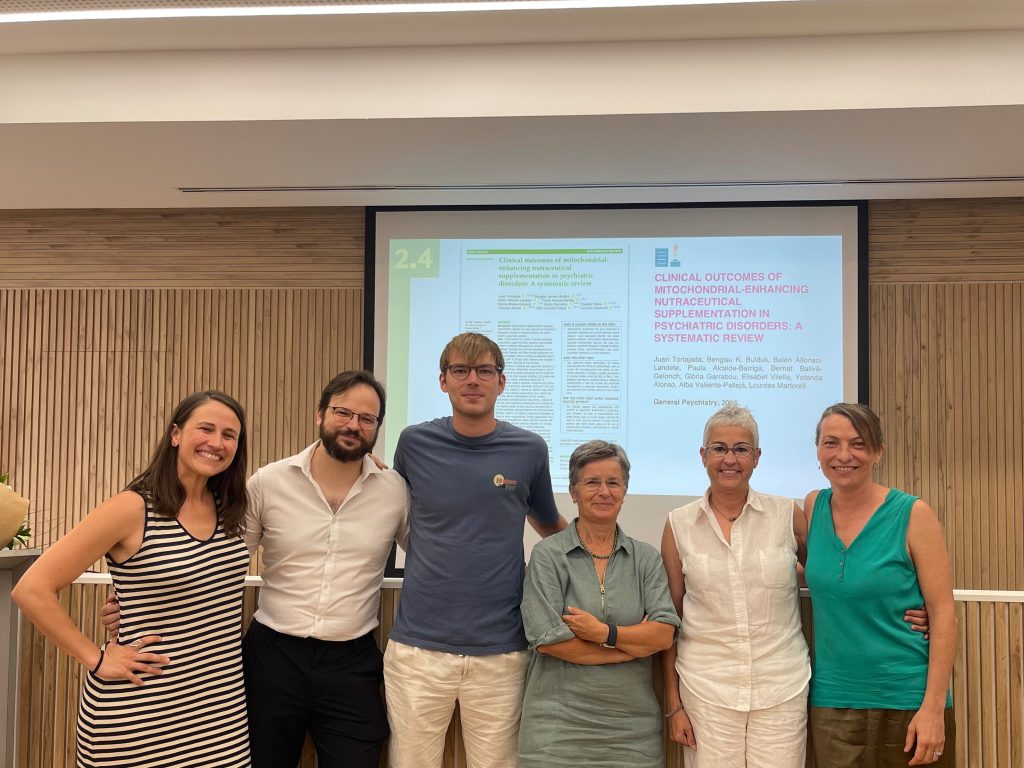
Psychiatric disorders such as schizophrenia, bipolar disorder, major depression, and autism spectrum disorder (ASD) have been linked in recent years to mitochondrial dysfunction—a loss of cellular capacity to produce the energy required for proper functioning. Now, a team from the Institut de Recerca Biomèdica Catalunya Sud (IRB CatSud) and the Hospital Universitari Institut Pere Mata (HUIPM) has led a systematic review on the use of nutraceutical supplements (such as vitamin D3, coenzyme Q10, magnesium, and various B vitamins), which are essential for mitochondrial function, as an adjunctive treatment for these psychiatric conditions.
Considering that the brain consumes approximately 20% of the body’s energy, largely produced within the mitochondria, the research team evaluated whether supplementation targeting this biological pathway could yield clinical benefits. To this end, the researchers reviewed articles published between January 2007 and April 2024. From an initial pool of 2,061 identified records, 122 studies meeting the inclusion criteria were ultimately evaluated.
Among the supplements analyzed, vitamin D3 emerged as the most widely researched across these pathologies. While trials on depression prevention failed to demonstrate an overall effect, individual studies noted improvements in specific subgroups, such as individuals with moderate-to-severe depression or those in the perinatal period. N-acetylcysteine showed more consistent findings across several schizophrenia studies, particularly regarding global symptoms and cognitive functions. The research team emphasizes that: “The findings of this review indicate that certain nutraceuticals could hold a promising role as an adjunctive therapy in psychiatry. However, more robust clinical trials with standardized protocols and validated efficacy biomarkers are required before translating this evidence into clinical practice,” explains Juan Tortajada, lead author of the study and member of the Genetics and Environment in Psychiatry (GAP) group at HUIPM-IRB CatSud-URV.
The authors also highlight the necessity of integrating socioeconomic factors, such as educational attainment and income levels, into future research. These variables can influence access to, adherence with, and continuity of nutraceutical regimens, making them key considerations for designing inclusive strategies in psychiatric care.
The study, led by Lourdes Martorell with Juan Tortajada and Bengisu Kevser Bulduk as co-first authors, has been published in the journal General Psychiatry. The research was conducted within the framework of an interCIBER collaboration, involving the Biomedical Research Networking Center in Mental Health (CIBERSAM) and the Biomedical Research Networking Center on Rare Diseases (CIBERER). This joint effort enabled the integration of expertise in mental health with specialized knowledge in mitochondrial pathology. Glòria Garrabou (IDIBAPS, UB, HCB, CIBERER), a co-author who contributed a translational perspective, notes that “this work could ultimately contribute to the development of novel therapeutic approaches for mental disorders that combine conventional pharmacology with nutritional supplementation
Bibliographical reference: Tortajada, J., Bulduk, B. K., Alfonso-Landete, B., Alcaide-Barriga, P., Ballvé-Gelonch, B., Garrabou, G., Vilella, E., Alonso, Y., Valiente-Pallejà, A., & Martorell, L. (2026). Clinical outcomes of mitochondrial-enhancing nutraceutical supplementation in psychiatric disorders: A systematic review. General psychiatry, 39(3), e70023. https://doi.org/10.1002/gps3.70023
The study was funded by the Instituto de Salud Carlos III and the Agència de Gestió d’Ajuts Universitaris i de Recerca (AGAUR) of the Generalitat de Catalunya.
Studying the effects of a physical exercise programme on people with schizophrenia or autism spectrum disorder has been the main objective of the VITACTIVA’T project, promoted by the Institut Pere Mata University Hospital (HUIPM) and the Institut de Recerca Biomèdica Catalunya Sud (IRB CatSud), in collaboration with Rovira i Virgili University (URV). The project results were presented this Thursday.
The findings were shared during an event held at Reus Deportiu, the venue where the VITACTIVA’T sports sessions took place. The event brought together more than twenty participants, family members and mental health professionals.
Regarding the study results, the research team explained that regular physical exercise can help improve several health indicators in this population. Some of the main findings include:
A significant improvement in cognitive performance, with positive progress in areas such as attention, memory, learning, reasoning and processing speed.
A significant improvement in physical fitness, particularly in aerobic capacity and muscle strength in both the upper and lower limbs.
An increase in the number of mitochondrial DNA copies, a biomarker linked to the cells’ ability to produce energy.
A significant improvement in psychosocial functioning, meaning a greater ability to manage everyday activities and social interactions.
The research team also found that participants consume a high proportion of ultra-processed foods. “This habit is associated with poorer metabolic health indicators and less favourable psychosocial factors, which reinforces the need to work on reducing its consumption in this population,” explains Bernat Ballvé, nutritionist and researcher in the project.
Overall, these results confirm the role of physical exercise, together with nutrition and other lifestyle factors, as a complementary tool with the potential to improve the physical and mental health of people with severe mental disorders. This has encouraged the team to continue this line of research through the launch of VITACTIVA’T 2.
A new phase focused on physical exercise
During the event, the team also presented the new edition of the project, VITACTIVA’T 2, which will begin a new exercise programme next October. This new phase will focus exclusively on physical activity and will be aimed at people with schizophrenia or other psychotic disorders.
Alba Valiente, psychiatrist and researcher involved in the project, explained that “the physical exercise programme will now last six months and will include three sessions per week, increasing both the duration of the intervention and the frequency of the sessions to meet the recommendations of the World Health Organization.”
Regarding the expected outcomes, Lourdes Martorell, principal investigator of the project, said: “The researchers involved believe that this more intensive exercise programme will provide new evidence of its role as a complementary therapy to standard treatment for people with schizophrenia or other psychotic disorders. The study will examine cognition, quality of life and several biomarkers. The project will also seek to identify specific genetic, clinical and metabolic factors that can help provide personalised recommendations.”
The event marked the end of the first edition of the project in a positive atmosphere of reunion and enthusiasm. The research team expressed their gratitude for the trust and commitment shown by all participants, as well as by their families and the professionals who helped make this initiative possible.
The team also expressed optimism about VITACTIVA’T 2 and highlighted their commitment to continuing to generate scientific evidence that supports physical exercise as a complementary strategy to improve the health, well-being and quality of life of people living with severe mental disorders.
Mamapop continues to strengthen its commitment to breast cancer research in Tarragona and this Tuesday donated a total of €30,150 to the Institut de Recerca Biomèdica Catalunya Sud (IRB CatSud). This amount comes from the profits generated by the concert held last November at the Palau Firal i de Congressos de Tarragona, plus €3,000 raised by Rotary Tarragona through the sale of the Cartes de Tarragona and the Tarratea activity.
Overall, Mamapop’s contribution to IRB CatSud throughout the three editions held in Tarragona has reached €84,725, an amount entirely dedicated to breast cancer research. Manel Simon, director and founder of Mamapop, thanked the public for their support and stated that “this new donation once again demonstrates the ability of music to become research and future opportunities”. He also highlighted that “this contribution strengthens the network of support that makes the project possible”.
Dr Joan Vendrell, director of IRB CatSud, expressed his gratitude for the commitment and efforts of the entire team behind Mamapop and stressed that research advances when society and institutions work together. In this regard, he explained that “the history of this charity project is a clear example of collective commitment to health, biomedical research and the Catalunya Sud territory, a commitment that has enabled us to launch a breast cancer research line that, unfortunately, addresses a disease with a high incidence in our society”.
The donation ceremony took place this Tuesday at Tarragona City Hall and was attended by the city’s mayor, Rubén Viñuales, who stated that “Tarragona is very proud to host and support a project that brings together so many people, organisations and companies around such an important cause. The public response once again shows that we are a supportive and committed city, capable of facing society’s major challenges together”.
He added: “Research is essential to make progress in prevention, treatments and the quality of life of patients. For this reason, Tarragona City Council will continue to support Mamapop, IRB CatSud and all initiatives that help make our region a benchmark in research, innovation and health.”
The event also served to present the theme of the next edition of the charity concert, which will premiere on 14 November 2026 at 8:00 p.m. at the Palau Firal i de Congressos de Tarragona. Mamapop will take another step forward with its eleventh show: Mamapop Disco Remember!, a spectacular journey through the greatest disco and dance hits that have marked several generations. The new production will feature a selection of iconic songs that will turn the theatre into a huge dance floor. Audiences will be able to relive hits by Boney M, Kool & The Gang, Earth, Wind & Fire, Chic, Madonna, The Jacksons, Wham!, Cyndi Lauper, George Michael, A-ha, Kylie Minogue, Lionel Richie & Diana Ross and Jennifer Rush, among many other artists who are part of our shared musical memory.
The new production will maintain the artistic and quality standards that have made Mamapop one of the leading charity initiatives, combining live music, stage design, audiovisual elements and a renewed production in support of a cause that continues to mobilise thousands of people. Tickets are already on sale through www.mamapop.cat and at FarmaTarraco Pharmacy.
Since its creation, Mamapop has contributed a total of €492,695 to research at IRB Lleida and IRB CatSud, becoming the leading source of private funding for breast cancer research in Catalonia. In this regard, Manel Simon reaffirmed his commitment to bringing the show to the Tarragona area and highlighted the importance of “continuing to support scientific research”.
Mamapop Tarragona is made possible thanks to the support of Fundación Repsol, Factor Energia, Tarragona City Council, the Palau Firal i de Congressos de Tarragona, the Diputació de Tarragona, the Port of Tarragona and Fundació La Caixa. It has also received support from several companies and organisations, including Club Rotary Tarragona, Club Bàsquet Tarragona and Nàstic de Tarragona.
An international study finds epigenetic signals — chemical modifications that regulate gene activity without altering DNA, often influenced by environmental factors such as pollution or stress — associated with bipolar disorder, a mental illness characterised by extreme mood changes, alternating depression and euphoria, which could help to develop more accurate clinical prediction tools.
The study, published in the scientific journal EBioMedicine under the title DNA methylation signatures associated with bipolar disorder in peripheral blood improve prediction models, represents the largest meta-analysis on epigenetics in bipolar disorder carried out so far at an international level. The participation of researchers linked to the Hospital Universitari Institut Pere Mata (HUIPM) and the Institut de Recerca Biomèdica Catalunya Sud (IRB CatSud, formerly IISPV) has been especially relevant, as they have provided their own sample of participants, one of the 12 that have contributed to the study. The research has also included the participation of the Universitat Rovira i Virgili (URV) and the team from the Consorci Sanitari del Maresme — both integrated into the national network Centro de Investigación Biomédica en Red de Salud Mental (CIBERSAM) — and the Universitat Autònoma de Barcelona (UAB).
The research analysed a sample of 3,476 people in total — of whom 1,729 had the disorder and 1,747 were healthy — aged between 16 and 53 years, with 56% women, coming from 12 international samples from different countries. The objective was to identify epigenetic changes associated with bipolar disorder.
Among the most important results, the research team identified 47 regions with epigenetic modification associated with the diagnosis of bipolar disorder and, among these, several are genetic regions involved in processes related to neurotransmission, immune response and cell regulation. In addition, the study also shows that polymethylation scores, which are epigenetic indicators that integrate multiple chemical marks in DNA that can activate or deactivate genes, combined with current genetic models, can improve the predictive ability for bipolar disorder, especially in bipolar disorder type I.
“These results reinforce the idea that epigenetic factors, which are more influenced by environmental factors, can provide additional information to genetics (which is more stable) and contribute, in the future, to the development of useful biological indicators for diagnosis, as well as for clinical decision-making in mental health,” says Elisabet Vilella, one of the researchers involved in the study.
The study has also involved research centres and universities from Europe, North America and Australia, within a large international collaboration under the framework of the Psychiatric Genomics Consortium Bipolar Disorder Working Group.
The publication represents a new recognition of research driven from the region in the field of psychiatry and mental health, and consolidates the position of the participating centres as references in translational research and biomedical innovation.
Bibliographic reference
Tesfaye, M., Stavrum, A. K., Höffler, K. D., O’Connell, K. S., David, F. S., Garrett, M. E., Hesam-Shariati, S., Overs, B. J., Pisanu, C., Spano, L., Watkeys, O. J., Weihs, A., Ardau, R., Ashley-Koch, A. E., Athanasiu, L., Beckham, J. C., Bourassa, K. J., Chillotti, C., Djurovic, S., Drange, O. K., … Le Hellard, S. (2026). DNA methylation signatures associated with bipolar disorder in peripheral blood improve prediction models. EBioMedicine, 128, 106284. https://doi.org/10.1016/j.ebiom.2026.106284
Around sixty researchers from all over the country, from both basic and clinical research fields, have participated in the first national conference on genetics in psychiatry, held in Reus this Wednesday and organized by the Hospital Universitari Institut Pere Mata (HUIPM) and the Institut de Recerca Biomèdica Catalunya Sud (IRB CatSud), with the participation of the CIBERSAM network (Centro de Investigación Biomédica en Red en Salud Mental). One of the main achievements of the meeting, held at the HUIPM facilities, has been the promotion of a shared proposal to create a stable network or working group in genetics in psychiatry, with a long-term vision and with the aim that it may evolve into a future scientific society.
During the conference, strategic lines were discussed, such as promoting collaborative work, sharing data and knowledge, or creating a repository of genetic data, as well as the need to strengthen the transfer of results to clinical practice and society.
The meeting has represented a turning point in the field of genetics in psychiatry, since until now researchers specialised in the genetics of psychiatric disorders in the country had never met in a specific forum. In recent years, the growth of research in this field and the emergence of results with potential clinical application have favoured the consolidation of a critical mass that has made it possible to promote this initiative.
“It is the first conference held by specialist researchers in genetics of psychiatric diseases, and the reason is that it is a relatively innovative field. Over the years, the researchers we met at conferences said we had to do something together and, at the end of last October, at an international psychiatric genetics conference in Mexico, we decided to do it and chose to hold the first conference in Reus,” said the research director of HUIPM and deputy director of IRB CatSud, Elisabet Vilella.
At the conference, the different participating teams also shared their lines of work and presented the latest advances in genetics in psychiatry, with the aim of generating synergies and exploring new ways of collaboration. “Our group presented work related to the development and characterisation of neuronal lines from patients with first psychotic episodes, where we look for biological signals to help find the best diagnosis so that there can be the most personalised treatment possible, for example in the development of schizophrenia,” explained the researcher from the Instituto de Investigación Sanitaria de Valencia (INCLIVA), Ricardo Ruiz Miguel, one of the speakers at the conference.
The organisers also highlighted that initiatives like this help to accelerate the transfer of scientific knowledge into real applications and to promote collaboration between research groups, also incorporating work with patient associations as one of the key axes for the future.
With this first edition, the conference has laid the foundations to become a regular reference meeting at the national level, with the intention of continuing to strengthen scientific cooperation and to increase the impact of research in mental health for the benefit of society.
A study identifies a key mechanism in the way that the liver processes the acute and fat, which has direct implications in diseases such as diabetes, obesity and metabolic liver disease. Understanding the role of this mechanism, which exercises as a key “sensor” during the transition from aid to food, and doing it from a physiologic point of view, could open new therapeutic pathways to improve the control of glucose and body capacity to adapt to changes between aid and food. This is especially relevant in diseases such as those described above, since the horse loses precisely this capacity. The study promoted by the IRB CatSud, formerly IISPV) and led by researchers from the area of Diabetes and Associated Metabolic Diseases (CIBERDEM), has been published in the scientific journal Science Advances with the title SUCNR1 coordinates metabolic flux, mitochondrial function, and nutrient-dependent adaptation in hepatocytes. Researchers from various areas of the Consorcio Centro de Investigación Biomédica en Red) (CIBER) of the Instituto de Salud Carlos III (ISCIII) and the Universitat Rovira i Virgili (URV), have participated in the study.
The Diabetes and Associated Metabolic Diseases (DIAMET) research group at IRB CatSud is responsible for the study that provides relevant knowledge to advance in the prevention and treatment of high-impact metabolic disorders in public health in the long term. The research team has focused on succinate, which apart from serving to obtain energy, also acts as a signal in other cells through a receptor called SUCNR1. This receptor is especially abundant in a specific area of the hygro and increases during the development of this organ, which suggests an important role in liver function.
In addition, the research staff has discovered that both the levels of succino and the expression of the SUCNR1 receptor in the liver varied depending on whether the organism is in aid or fed. To better understand their role, the researchers involved studied mice that lack this receptor in the main cells of the hygda (the hepatocytes). In the absence of this receptor, the liver “is active in excess” and ends up producing more glucose than necessary in conditions of aid. This is accompanied by a lower capacity of the organism to adapt correctly to the changes that derive from the nutritional state, that is, in aid or after eating. At the cellular level, the lack of this receptor alters the way in which the water cells use glucose to produce energy, which causes the dependence of other nutrients and alters their functionality. Consequently, in response to the intake, an incomplete recovery of the energy reserves of the cells is observed.
Together, these results identify the SUCNR1 regulator as essential in the metabolic adaptation of the water, connecting energy signals with the capacity of cells to adjust to nutritional changes.
The study involved the participation of other research centres and universities, such as the Centro Singular de Investigación en Medicina Molecular y Enfermedades Crónicas (CIMUS), Universidad de Santiago de Compostela, the Institut de Recerca Biomèdica Barcelona (IRB Barcelona), the Universitat de Barcelona (UB), the Centro Nacional de Investigaciones Oncológicas (CNIO), the Institut de Recerca Sant Pau, the Institut d’Investigacions Biomèdiques August Pi i Sunyer (IDIBAPS), the University of Bern and the Bern University Hospital. Also have participated reseachers of the CIBER de Fisiopatología de la Obesidad y Nutrición (CIBEROBN) and CIBER de Enfermedades Hepáticas y Digestivas (CIBEREHD).
Bibliographic reference
Marsal-Beltran, A., Salmerón-Pelado, L., Ribas-Latre, A., Repollés-de-Dalmau, M., Rodríguez-Peña, M. M., Núñez-Roa, C., Badia, J., Madeira, A., Novoa, E., Beltrà, M., Plata-Gómez, A. B., Capellades, J., Escolà-Gil, J. C., Zorzano, A., Yanes, Ó., Efeyan, A., Nogueiras, R., Gracia-Sancho, J., Vendrell, J., Ceperuelo-Mallafré, V., … Fernández-Veledo, S. (2026). SUCNR1 coordinates metabolic flux, mitochondrial function, and nutrient-dependent adaptation in hepatocytes. Science advances, 12(24), eaec8873. https://doi.org/10.1126/sciadv.aec8873
▪ This is the first event of this kind in Spain and it will be held on 17 June at the Pere Mata University Hospital
▪ The national mental health research network, CIBERSAM, is also involved in organising the event
Sharing knowledge, exchanging research lines and promoting new scientific collaborations are the main goals of the first national workshop on genetics in psychiatry. The event will take place at the Pere Mata University Hospital and will bring together research groups from across Spain specialised in the genetics of psychiatric disorders.
The meeting, which will be held on 17 June, will gather highly competitive research groups at an international level. Most of them are part of the CIBERSAM network (Biomedical Research Networking Center in Mental Health), funded by the Carlos III Health Institute, and of the international consortium Psychiatric Genomics Consortium.
The workshop has been designed with a dynamic and participatory format. It will combine short presentations from the different teams, where they will present their structure, objectives and research lines. In addition, there will be workshops aimed at identifying common priorities and opportunities for joint work. The latest advances in genetics in psychiatry achieved by national groups will also be presented.
One of the key elements of the workshop will be the collective development of future proposals, including the possible creation of a stable network or working group on genetics in psychiatry. It will also promote shared initiatives in areas such as translational research and knowledge transfer to clinical practice and society.
Genetics in psychiatry is a field that has experienced a real expansion of knowledge in recent years, driven by advances in genomic technologies and the analysis of large data sets. These developments have made it possible to identify genetic variants associated with disorders such as schizophrenia, bipolar disorder or autism, improving the understanding of their biological basis and opening the door to more precise and personalised strategies for prevention and treatment.
With this first edition, the organisers aim to establish the basis for a regular reference meeting that will help strengthen collaboration between research groups and increase the impact of mental health research. Here, the programme.

