




What a woman eats during pregnancy not only affects her own health, but also her child’s future development. In particular, the quality of carbohydrates in the diet —that is, how they affect blood sugar levels— may play a key role in children’s cognitive and motor development.
This is one of the main conclusions of two studies involving IRB CatSud, which suggest that diets with a higher impact on blood glucose levels are associated with poorer outcomes in different areas of child neurodevelopment.
Not all carbohydrates act in the same way in the body. Some cause rapid increases in blood glucose, while others do so more gradually. This difference is measured through the glycemic index and glycemic load. In general, fresh, fiber-rich foods —such as fruit, vegetables, legumes, or whole grains— have a more moderate effect, whereas more refined products tend to trigger faster responses.
In one of the studies, more than a thousand pregnant women and their children were followed during the first years of life. The results indicate that a higher intake of carbohydrates with elevated glycemic index and load during pregnancy is associated with lower scores in language and motor skills in young children.
A second study, with longer follow-up into the preschool stage, reinforces these findings. In this case, differences were observed in aspects such as processing speed, non-verbal skills, and visuomotor coordination depending on the quality of carbohydrates consumed during pregnancy.
The consistency between both studies highlights the need to pay greater attention to this factor in nutritional recommendations for pregnant women. Beyond the amount of carbohydrates, researchers emphasize the importance of prioritizing those with a gentler impact on blood glucose, with the aim of supporting optimal brain development from the earliest stages of life.
This research involved teams from the Universitat Rovira i Virgili and IRB CatSud, among other institutions, within the framework of mother–child cohort studies.
A URV-IISPV-CIBEROBN study warns that 80% of children’s products are not nutritionally adequate and should not be promoted
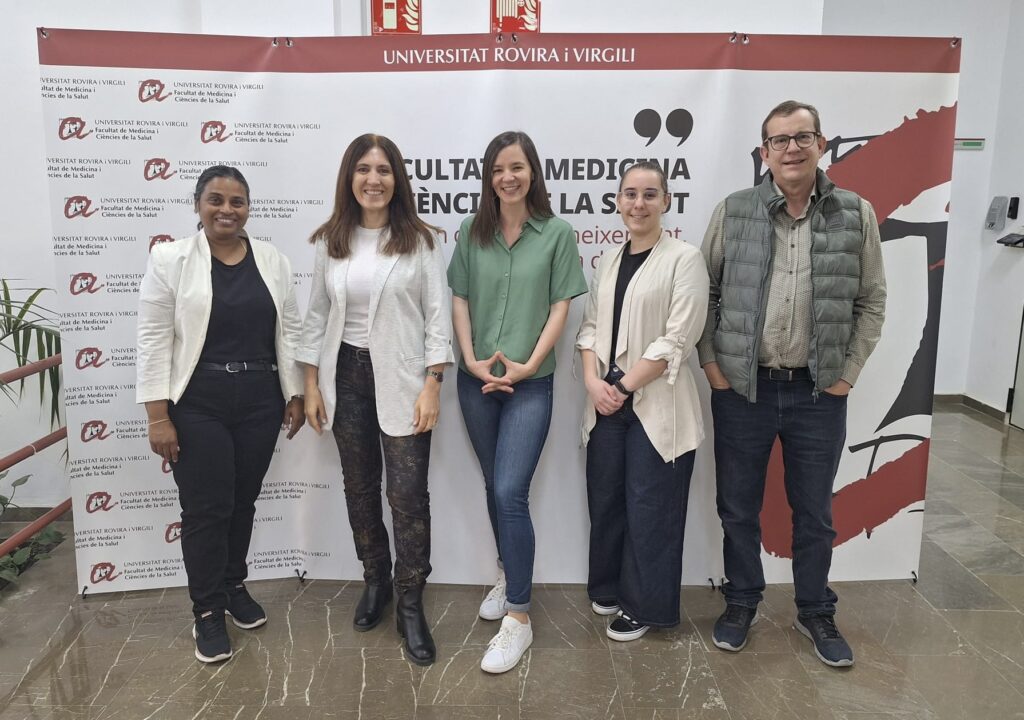
Most foods for children under three years of age marketed in Spain are of low nutritional quality and do not meet the standards set by the World Health Organization (WHO). This is indicated by a study led by the Rovira i Virgili University (URV) together with the Pere Virgili Health Research Institute (IISPV) and the CIBER of Obesity and Nutrition (CIBEROBN), which warns that these products should not be promoted for sale.
To carry out the study, which has been published in the European Journal of Pediatrics, more than 800 products were analyzed, including purees, dairy products, snacks and beverages. The research team detected repetitive nutritional problems in these foods, such as a high content of added sugars -often in the form of concentrated juices-, low caloric intake and low energy density. In addition, many of the product labels analyzed were the result of marketing strategies that were misleading because they showed confusing product names, such as “veal with carrots”, in cases where veal was a minority ingredient. They also found food packaging with messages such as “no added sugars” and even with unscientific health claims.
“Many of these products generate a false perception of quality, when in fact they are not suitable according to WHO for the healthy development of children,” warns Paulina Maria Leszczynska, first author of the study.
“No podemos permitir que los intereses comerciales prevalezcan sobre la salud infantil. Es imprescindible contar con una normativa clara, vinculante y basada en evidencias científicas que proteja a la población más pequeña”, advierte Nancy Babio, investigadora del Departamento de Bioquímica y Biotecnología de la URV e investigadora principal del proyecto.
Stopped regulation
Currently, food advertising in Spain is governed by the PAOS Code, a voluntary self-regulation system with no sanctioning mechanisms. In 2022 the Ministry of Consumer Affairs proposed a Royal Decree to regulate the advertising of food and beverages aimed at children, using the WHO criteria as a basis, but the processing of the text is still blocked pending approval by the Council of Ministers.
In view of these facts, the research team has called on the Government to approve without further delay the Royal Decree regulating the advertising of baby food and to prohibit the promotion of products that are not suitable for children under 3 years of age, especially those with excessive sugar or misleading claims.
The work has been carried out by the dietitian-nutritionist Paulina Maria Leszczyńska and the research team of the Department of Biochemistry and Biotechnology of the URV Sara de Heras-Delgado, Sangeetha Shyam, Jordi Salas-Salvadó and Nancy Babio, which is also part of the IISPV and CIBEROBN. The study has counted with Diane Threapleton and Janet Cade, from the University of Leeds, authors of the Nutrient and Promotion Profile Model Calculator tool, used to evaluate the nutritional and promotional performance of children’s products according to the WHO model.
Bibliographic Reference: Leszczyńska PM, de Las Heras-Delgado S, Shyam S, Threapleton D, Cade J, Salas-Salvadó J, Babio N. Nutricional contento y promocionar prácticas de foods para niños y jóvenes en el español mercado: en el cross-sectional product evaluation. Eur J Pediatr. 2025 May 10;184(6):333. doi: 10.1007/s00431-025-06156-y. PMID: 40347273; PMCID: PMC12065749.