



Type 2 diabetes and insulin resistance affect millions of people worldwide and significantly increase the risk of developing cardiovascular disease and other chronic conditions. However, the biological mechanisms that explain why these metabolic alterations are associated with a lower survival rate are still not fully understood. An international study led by researchers from Rovira i Virgili University, the Institute for Research in Biomedicine of Catalonia South (IRB CatSud), and the CIBER Network for Obesity and Nutrition (CIBEROBN) has identified a series of molecular patterns present in the blood that allow for the detection of individuals at higher risk of mortality.
The research, published in the journal Metabolism , was conducted within the framework of the PREDIMED project and is based on metabolomics, a discipline that analyzes hundreds of molecules in the body to obtain a detailed picture of its function. These molecules, called metabolites, are products of the body’s metabolic processes and contain information about genetic factors, diet, lifestyle, and a person’s health status.
The research team analyzed plasma samples—the liquid fraction of blood in which blood cells float—from nearly 700 elderly individuals with a high cardiometabolic risk. Using advanced mass spectrometry techniques, they examined hundreds of metabolites and identified 31 associated with type 2 diabetes and 105 related to insulin resistance.
Using this data, the researchers constructed two metabolomic signatures—two biological fingerprints that reflect metabolic changes when type 2 diabetes and insulin resistance develop. The results show that people with a more pronounced presence of these signatures had a significantly higher risk of dying during the follow-up period.
More specifically, participants with a metabolic signature associated with type 2 diabetes had a 52% higher risk of mortality from any cause. In the case of insulin resistance, this increase was 33%. Furthermore, the researchers identified several metabolites common to both conditions, which were also associated with a worse prognosis.
To test the robustness of the results, the research team replicated the analysis in three large, independent US cohorts containing data collected over decades: the Nurses’ Health Study I , Nurses’ Health Study II , and the Health Professionals Follow-up Study . This external validation confirmed the associations initially observed in the Mediterranean population of PREDIMED.
“These results help us better understand the biological mechanisms that link alterations in glucose metabolism with mortality risk,” explains Jesús F. García Gavilán, a researcher in the Department of Biochemistry and Biotechnology at the URV. The researcher, first author of the article, also highlights the potential of metabolomics: “If we gather enough evidence, metabolites can be a powerful tool for determining a patient’s risk level, and could even pave the way for adopting precise and personalized prevention strategies.”
The study is the result of extensive international collaboration between institutions in Spain and the United States, including the URV, IRB CatSud, CIBEROBN, the University of Navarra, the Harvard T.H. Chan School of Public Health, and the Broad Institute. The research was led by researchers from the ANUT-DSM group at the URV, IRB-CatSud, and CIBEROBN, and is part of a metabolomics research line supported by a National Institutes of Health project, coordinated by researchers Jordi Salas-Salvadó (URV) and Frank Hu (Navarra).
Reference: García-Gavilán JF, Paz-Graniel I, Pérez-Acosta JA, Ruiz-Canela M, Li J, Clish C, et al. Metabolomic profiles of type 2 diabetes and insulin resistance and their associations with all-cause mortality . Metabolism. 2026;156599.
Researcher Noelia Ramírez from IISPV took part on November 28 in the Eurecat Reus symposium on epigenetic and metabolic interactions
The researcher from the Pere Virgili Health Research Institute (IISPV), Noelia Ramírez, participated in the 3rd Eurecat Symposium on Epigenetic and Metabolic Interactions, held on November 28 at Eurecat’s headquarters in Reus. Her presentation was part of a talk entitled “Advancing Precision Environmental Health: From comprehensive exposure characterisation to metabolic and epigenetic markers of effect.”
In her conclusions, she explained that environmental exposures are dynamic, come from multiple sources, and are biologically complex. “To address their impact on health, we need integrated and high-resolution approaches that combine chemistry, biology, and data science,” Ramírez said.
She added that the paradigm of Precision Environmental Health integrates “a detailed characterisation of exposure with the evaluation of effects through omics sciences, in order to reveal how specific environmental mixtures influence molecular pathways, identify early biomarkers of susceptibility, and guide more effective prevention strategies.”
Studying fatty acids after meals may provide new insights into the metabolic impact of diet and fasting
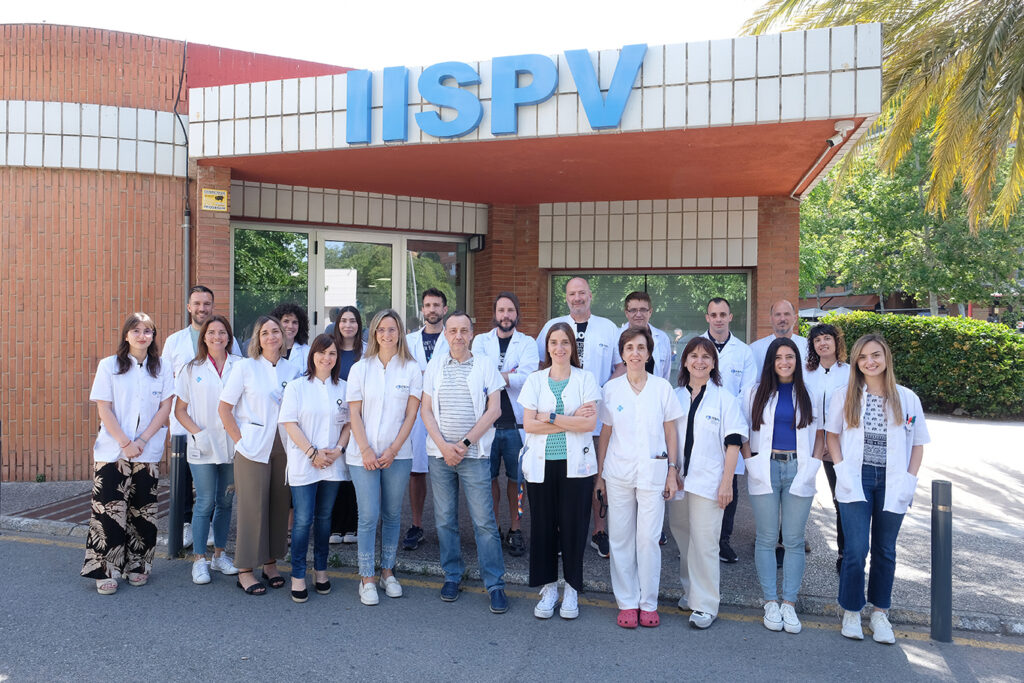
Losing weight can be challenging, especially when it requires following a strict low-calorie diet over time. A study with mice suggests that intermittent fasting—taking regular breaks from eating—can improve metabolism, even when the diet is high in fat. In fact, the benefits observed are similar to those linked to healthy eating. This study, led by the Institut d’Investigació Sanitària Pere Virgili (IISPV) and the Universitat Rovira i Virgili (URV), was published in eBiomedicine.
Although the animals did not lose weight through intermittent fasting, researchers found improvements in blood glucose control, insulin response, and lipid profile—key indicators often affected by obesity. When intermittent fasting was combined with a healthy diet, the positive metabolic effects increased, and a significant reduction in body weight was observed.
The study not only focused on blood parameters but also examined how different dietary interventions affected fat tissue and the liver. “After four weeks of intermittent fasting, obese mice showed significant protection both metabolically and in these tissues, even with a high-fat diet,” explains Dr. Victòria Ceperuelo-Mallafré, Ramón y Cajal researcher at URV and member of the DIAMET research group (Diabetes and Associated Metabolic Diseases) at IISPV – URV – CIBERDEM.
“However, switching to a balanced diet proved to be the most effective strategy for weight loss. In addition, combining intermittent fasting with a healthy diet had a synergistic effect that was especially beneficial for improving glucose tolerance,” adds Dr. Sonia Fernández-Veledo, head of the Metabolic Diseases and Nutrition Area at IISPV and leader of the DIAMET research group.
Another innovative part of the study was the analysis of gut microbiota and its key products, especially short-chain fatty acids. These molecules, found in blood and stool, may play an important role in regulating the body’s metabolic processes. The results showed that combining intermittent fasting with a healthy diet led to deeper changes in the composition of gut microbiota. Specifically, there was an increase in the species Alistipes finegoldii, which may be linked to better blood glucose regulation. This finding was confirmed both in the animal model and in a group of people with obesity who followed a low-calorie Mediterranean diet for six months. Although the results are promising, further studies are needed to confirm this connection.
Regarding short-chain fatty acids, researchers found that their post-meal regulation is altered in obesity. Both intermittent fasting and switching to a healthy diet help restore this mechanism. Therefore, measuring these compounds not only during fasting but also after eating may offer valuable information for a better understanding of metabolic function.
Although the findings are still preliminary and more human studies are needed, this research opens the door to designing personalized dietary strategies that focus on improving metabolic health, beyond simply losing weight.
Bibliographic reference
Ceperuelo-Mallafré, V., Rodríguez-Peña, M. M., Badia, J., Villanueva-Carmona, T., Cedó, L., Marsal-Beltran, A., … & Vendrell, J. (2025). Dietary switch and intermittent fasting ameliorate the disrupted postprandial short-chain fatty acid response in diet-induced obese mice. EBioMedicine, 117.